
August in Lisbon: what closes, what gets crowded and where locals actually go
August is one of the busiest months to visit Lisbon, but it is also when many Portuguese people take their summer holidays. Curiously, while the city is full, above all in the historic center and near the beaches, some small local businesses close for a few days or weeks.
But this certainly doesn’t mean that Lisbon shuts down in August. Hotels, museums, major attractions, shopping centers, supermarkets, transport services and many restaurants stay open. Areas such as Baixa, Chiado, Belém, Alfama, Cais do Sodré and Avenida da Liberdade are usually very busy, and popular places like Pastéis de Belém, Tram 28, Time Out Market, LX Factory, the main viewpoints (miradouros) and the Cascais train line beaches can be crowded, especially at peak hours.
What does change is the availability of some of the places travelers often hope to find, such as traditional restaurants (tascas), family-run restaurants, neighborhood pastry shops (pastelarias), small shops, specialty food stores and market stalls. Many of these businesses are run by small teams or families, and August is when they may close for holidays. Sometimes this is announced online but it’s still very common to simply hang a paper sign on the door saying that they are closed for the holidays.
Featured photo by Warren Payne Photography on Facebook
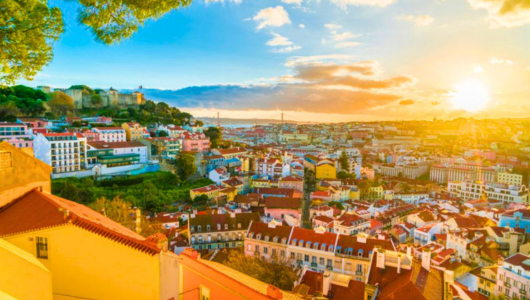
Photo by Float In Spa
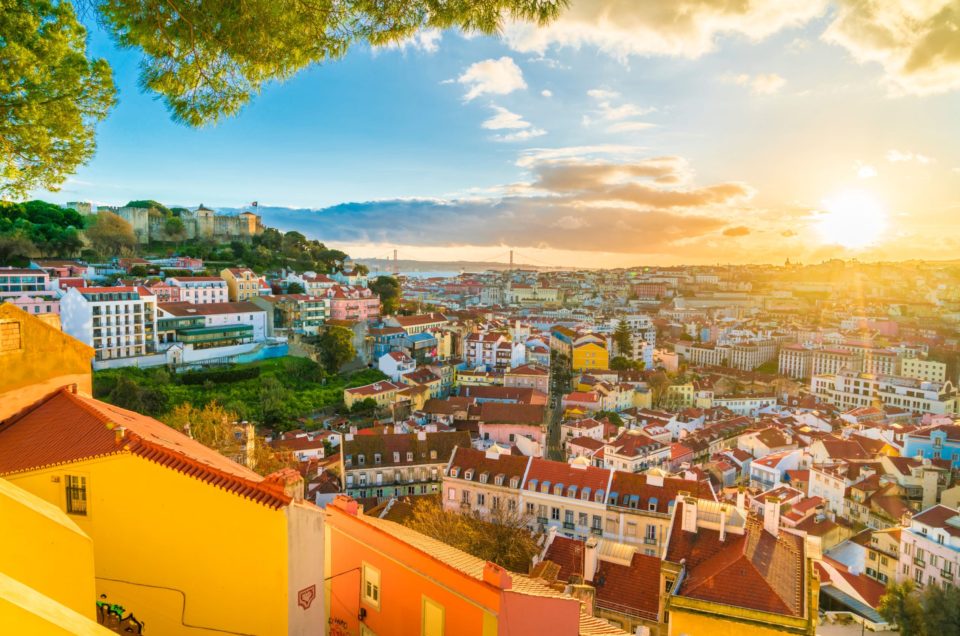
For visitors, this means August in Lisbon requires a little more planning than other months. If, for example, there is a restaurant you really want to try, you’ll probably have to book ahead or at least call before going, to make sure it is indeed open. It’s also a good idea to check social media or even phone directly if you would like to visit a specific business. On the other hand, if the historic center feels too crowded, consider visiting and eating in residential neighborhoods, across the river, or planning a day trip where the food and the ambiance of the surroundings may be more enjoyable.
If you are traveling to Lisbon during August and would like to know how locals make the most of the city when it’s busy and hot, we have tips for you on where to go, what to do, and how to find great Portuguese food along the way.
What closes in Lisbon in August?
Lisbon does not shut down in August, but some smaller businesses do close for summer holidays. This is most common among some traditional eateries, family-run cafés and small grocery stores, even though you’ll still find plenty of open restaurants. Hotels, museums, major attractions, and all the services connected to everyday life, such as supermarkets, shopping centers and public transportation, keep operating normally.

Photo by Pedro BCG on TripAdvisor
What can change in August is the availability of smaller, independent places, in particular those that depend on a small team. In many cases, the same family or the same few employees run the business all year, so August is when they finally take their annual break. These closures are not always announced in the most visitor-friendly way. Some businesses post their holiday dates on Instagram or Facebook, but others simply tape a handwritten note to the door saying fechado para férias. Google Maps may still say the place is open, and the website, when there is one, may not have been updated. This applies particularly to older restaurants and neighborhood businesses so, if there is a specific place you really want to try in August, confirm before going. A quick phone call is still one of the safest methods in Lisbon, especially for traditional restaurants. Social media can also help, but considering smaller places aren’t always so regular with their posts, you can’t really tell by this method for sure.
The good news is that closures can also send you toward a part of the city you might not have tried otherwise. If the restaurant you planned to visit is closed, this may be the moment to try a different neighborhood, cross the river for grilled fish, ask someone local for a current recommendation, or follow the tips that we share with you during our food and cultural tours in Lisbon. Having a certain flexibility can actually lead you to have great meals here in Lisbon.
What gets crowded in Lisbon in August?
Of course, crowds are not automatically a problem. Things like a busy bar after dinner can be fun, a full esplanade can have good energy, and a market with people actually shopping and with a bit of buzz is far more interesting than an empty one. The issue in August is that some parts of Lisbon become crowded in a way that makes them harder to enjoy, especially when the weather is too hot and there’s too little shade, if you are walking in an area with narrow pavements, of if you have to spend time in long queues for a full restaurant or train.
The busiest areas are usually the ones most visitors already have on their list. Baixa, Chiado and the streets between Rossio, Rua Augusta, Praça do Comércio and the river can feel especially intense as they are hot spots for sightseeing, shopping, restaurants, transport stops and cruise-ship traffic in a relatively small area. As such, these may not always be the best places to linger at the hottest hours of the day. Around Chiado and Praça Luís de Camões, the crowds often build from late morning into the evening, particularly because this part of town works as a meeting point between downtown, Bairro Alto, Cais do Sodré and Príncipe Real.
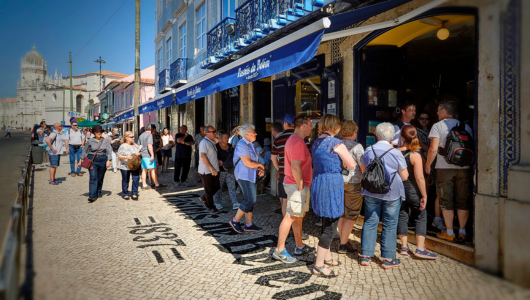
Photo by TPHOTOS on Pastéis de Belém
Belém also gets busy in August, although the neighborhood is more spread out than Baixa or Chiado and not every part feels crowded in the same way. The crowds usually concentrate around Jerónimos Monastery (Praça do Império) and the main coach drop-off areas and the routes towards Belém Tower (Av. Brasília), especially between late morning and mid-afternoon, when tour groups and day-trippers arrive. Pastéis de Belém (Rua de Belém 84-92), the original home of the pastel de nata, also tends to get a line outside its door, with travelers eager to replenish their energy levels with a warm out of the oven custard tart. That said, Belém also has wider gardens, museums and a long riverfront, so the experience doesn’t have to be claustrophobic if you move away from the most obvious cluster. The gardens around Praça do Império, the stretch by MAAT (Av. Brasília), the area around the National Coach Museum (Av. da Índia 136) and the riverfront towards the Discoveries Monument (Av. Brasília) can give you more space, especially earlier in the morning or later in the day.

Photo by Historic Hotels of Europe
Food-related places with strong visibility also get very crowded in August. Time Out Market (Av. 24 de Julho) is central, easy to understand and open when many smaller places may be on holiday, which explains the crowds, but it can feel more like a busy food court than a relaxed Lisbon meal at peak hours. LX Factory (Rua Rodrigues de Faria 103), in the neighborhood of Alcântara, has a similar issue and, while it can be enjoyable to browse independent shops, cafés and restaurants, weekends and peak meal times can make it feel less interesting in terms of having a certain creative vibe. The same applies to famous brunch cafés, rooftop bars, pastry shops and restaurants that appear repeatedly on social media and travel guides, but it’s important to never mistake how busy a place is with a sign of quality or authenticity.
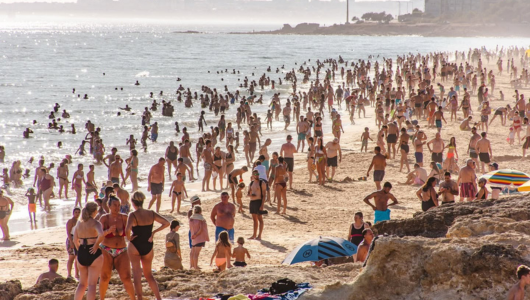
Photo by Cascais Lovers on Facebook
One of the things that makes Lisbon so attractive during the warmer months is the proximity to the coast, but there’s no denying that the beaches near Lisbon require realistic expectations in August. The Cascais train line beaches, such as Carcavelos, Santo Amaro, Parede, Estoril and Cascais, are popular because they are easy to reach by public transportation, namely the train departing from Cais do Sodré, but that convenience translates into trains which get packed easily, crowded sand and busy beach cafés, especially on weekends.
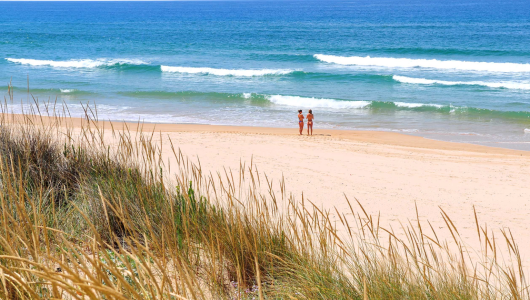
Photo by Borda D’Água
Costa da Caparica offers more space and plenty of good reasons to go, with several beach areas with different vibes, from more family-friendly stretches to nudist areas, but August weekends can still be very intense in the more central parts. Another option is to head towards the beaches along the coast of Sintra and up to Ericeira, which are beautiful and offer a more raw environment, but they are also windier, with cooler waters and, for sure, they involve more logistics to get there.
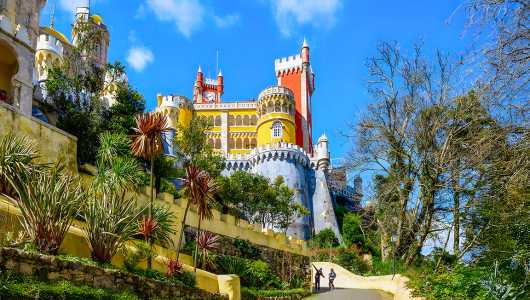
Photo by Sintra Tickets
Sintra is one of the most popular day trips from Lisbon and August is not its easiest month. The historic center, Pena Palace, Quinta da Regaleira, the roads up the hill and the transport connections can all become overloaded. Sintra is worth visiting, but we would recommend a little planning, even more so during the peak of summer. It’s always best to book tickets for sights which require a paid entrance, particularly those that have tickets with specific time slots. Keep in mind that Sintra offers a lot of beautiful and interesting places to visit but it’s rarely a good idea trying to see everything in one day, especially then the hot weather makes moving around more tiring and the crowds can turn a small but busy distance more frustrating. Sometimes, it may even be better to plan a less obvious day trip from Lisbon, to a destination even us locals enjoy, but that may not always be on most travelers’ radar.
What to do in Lisbon in August, inside and outside the city
If there is one mistake you can make in Lisbon while traveling in August, it is not taking the weather (that is, the heat) into consideration when you plan your days. Generally speaking, it’s best to make the most of your morning to enjoy outdoors areas, and save the hottest hours for indoor visits, such as long lunches, museums and other places of interest with AC. The end of the day is generally great for gardens, riverfront walks, but also plans outside the most obvious center.

Photo by Vado a Lisbona
Inside Lisbon, museums and historic interiors can be great choices during the hottest part of the day, especially when they are not the same places everyone has already added to their first-time itinerary. The National Tile Museum (Rua Me. Deus 4) is a good example, as it is a little outside the central circuit, has one of the most beautiful museum settings in Lisbon, and helps explain the history behind the azulejos you’ll see all over Lisbon.
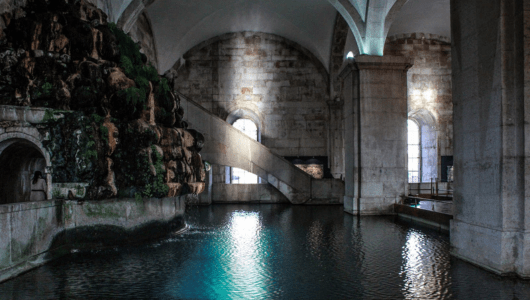
Photo by Teresa Rebelo
The Water Museum’s Mãe d’Água das Amoreiras (Praça das Amoreiras 10) is another good August stop to enjoy architecture beyond the city’s most popular monuments. The Puppet Museum (Rua da Esperança 146) is small and rather specific, but it’s also enjoyable and easy to combine with a walk through Santos or Lapa later in the day. Around Campo Grande, the Museu de Lisboa at Palácio Pimenta (Campo Grande 245) is very worth a visit, teaching you about the city’s history in a less crowded part of town, with pleasant gardens nearby for a walk afterwards.
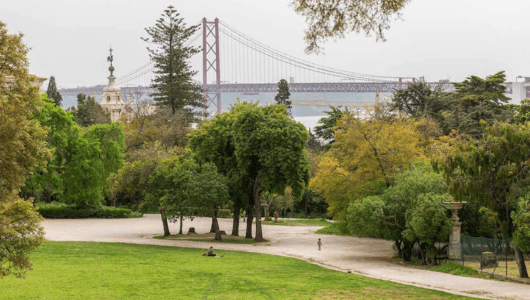
Photo by Revelar Lisboa
Thankfully, Lisbon has plenty of parks and green spaces to seek some shade and, particularly by the early evening, it can be fun to do a Portuguese-style picnic in one of them. Monsanto Forest Park, Jardim da Estrela, Mata de Alvalade, Jardim do Torel, Tapada das Necessidades (pictured here) and the gardens around Campo Grande can all be good pauses. Estufa Fria, tucked into Parque Eduardo VII, is particularly suited for a hot day because it feels cooler and more enclosed than many open gardens, with paths, ponds and dense vegetation that make it a better summer stop than another exposed square.
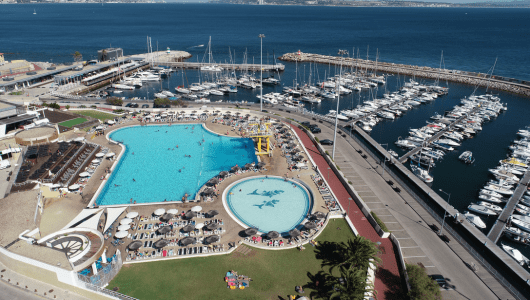
Photo by CM Oeiras
Families, or anyone who simply wants water without necessarily planning a day at the beach, should also consider pools, such as those in hotels open to the general public via day passes, but also run by the municipality. Some municipal pools close or change schedules in August, so this is another case where checking before going matters, but Lisbon and nearby municipalities do have options during the summer holidays. The Piscina Oceânica de Oeiras (Praia da Torre), filled with seawater and located close to the marina, can be a good alternative when the beaches on the Cascais line feel too crowded.
For a more local August, leave space for neighborhood life instead of spending every day between monuments. Alvalade, Campo de Ourique, Ajuda, Campolide, Benfica and Carnide are all wonderful areas with a genuine Portuguese vibe, which will shine through even more when the areas downtown feel too full. They are not places you visit for one famous attraction, instead, you go because they have cafés, markets, gardens, traditional restaurants, bakeries, local shops and daily life that makes them feel alive and, just wandering around, can help you connect with local people and culture in Lisbon.
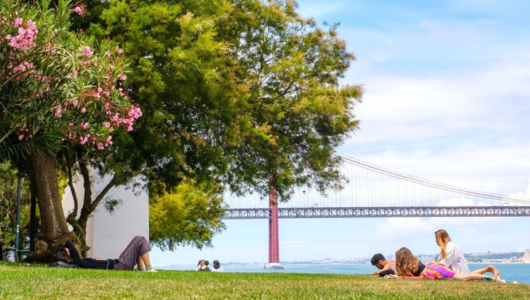
Photo by Luís Filipe Catarino on IN Corporate Magazine
If the center feels too hot or too full, the ferry can quickly take you into a very different version of the Lisbon area. Cacilhas is the obvious gateway, just a ten minute boat ride away from Cais do Sodré, paying a regular public transportation ticket. In our Cacilhas and Almada travel guide for food lovers you’ll find plenty of restaurant recommendations for this area that is popular particularly for fresh fish and seafood. For a cultural spot, include Casa da Cerca (Rua da Cerca, Almada) in your itinerary, which besides being a contemporary art center, has lovely gardens offering incredible views back toward Lisbon. Trafaria, reached by ferry from Belém, has a slower fishing-town feeling but you could combine a fish meal here with a dip into the nearby beach of Cova do Vapor, or hop on a taxi and make it to one of Costa da Caparica’s beaches, where having a cocktail by the end of the day overlooking the ocean might be the relaxing plan you were craving.
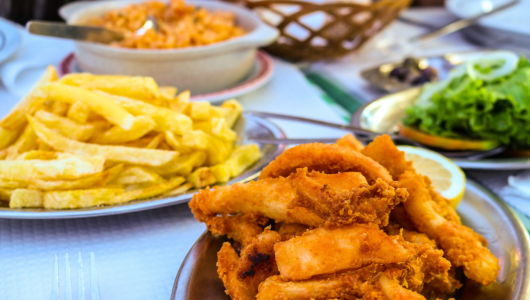
Photo by New in Setúbal
Still on Lisbon’s south bank, you could also consider Barreiro, Seixal or Montijo, all reachable by ferry from downtown Lisbon. But, if you are up for taking the train just short of one hour from the city, then you might want to make it to Setúbal, a working coastal city which can offer one of the best food inspired day trips from Lisbon. Once there, we would recommend browsing the fresh seafood and produce stalls at the municipal market, Mercado do Livramento (Av. Luísa Todi 163, Setúbal), but also sitting down somewhere in town for a meal of fried cuttlefish (choco frito – pictured here), grilled fish, fresh seafood, a glass of Moscatel de Setúbal and a creamy Torta de Azeitão. The Arrábida Natural Park, just beyond Setúbal, has some of the most beautiful beaches near Lisbon, including Figueirinha, Galapos, Galapinhos, Creiro and Portinho da Arrábida, with clear water, limestone cliffs and a landscape that feels very different from the beaches on the Cascais line. But August in Arrábida needs planning as beach access and car circulation are restricted during the bathing season and parking is limited. On the plus side, there are shuttle buses and public transport that can get you to the most famous beaches, where it’s still recommended to arrive earlier, as they can get very busy.
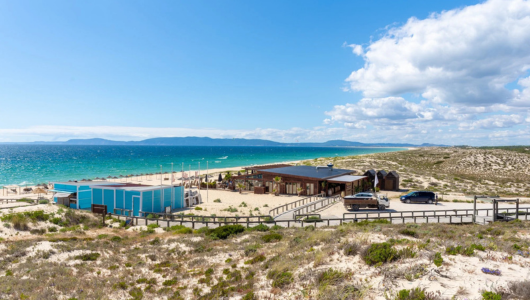
Photo by Jose Fura on Friends of Portugal
If you are willing to go a little further, Comporta can also make sense as an August escape, especially for travelers with a car and a full day to spare. This is not one single beach but a wider area on the Tróia Peninsula, where Atlantic beaches, rice fields, pine forests and the Sado Estuary create a very different landscape from Lisbon. It has become famous for its more polished boho-chic side, but there are still simple Portuguese restaurants and old-school food stops with grilled fish, seafood and typical Portuguese rice dishes, if you know where to look.
For longer day trips, it can also make sense to look north or northwest of Lisbon, especially if you have a car and want coastal air, regional food and a break from the city. Mafra and Ericeira work well together, and you could visit Mafra’s palace and convent and then go for a seafood meal by the Atlantic in Ericeira. Ericeira is one of the easiest seaside towns to enjoy from Lisbon, with beaches, seafood restaurants and a more relaxed coastal mood, although in August you should expect traffic, full terraces and wind that can surprise anyone imagining a perfectly still beach day.
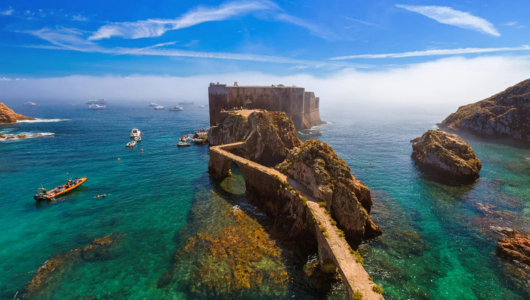
Photo by Reservas da Bioesfera
Peniche deserves its own trip if you are serious about fish and seafood, as this is a working fishing town with famous dishes such as Peniche-style fish stew (caldeirada de Peniche), skate with garlic sauce and other recipes born from local fishing culture. In August, Peniche and nearby Baleal can get busy with beachgoers and surfers, so go early, book lunch if you have a specific restaurant in mind, and treat boat trips to the Berlengas islands (pictured here) as something to plan ahead properly.
For something less obvious, Torres Vedras can also be a good inland and coastal option, especially for wine, countryside, local restaurants and nearby beaches such as Santa Cruz. These trips are not about escaping Lisbon per se, but about complementing your trip in Lisbon with other areas that will get you closer to how the Portuguese actually enjoy August near the city. No matter where you go, we would recommend not trying to cover too much ground when it’s really hot outside, stay hydrated and rest in between visits so that you can stay in a good mood.
How to eat well in Lisbon in August
August is when some excellent small restaurants close for holidays but, thankfully, Lisbon is a city that loves to eat and drink well, so there are always plenty of good options. But, if food is an important part of your trip, a little planning can go a long way.
The first recommendation would be to confirm before you go. If there is a restaurant or other food related business you really want to visit, check their most recent social media posts and, if it’s still not clear if they’ll be open, simply go ahead and call. Unfortunately, not all small businesses update their hours on Google Maps and this can lead to disappointment if you are just relying on online information.
Reservations during August are even more recommended than during the rest of the year, particularly for dinner. Restaurants that stay open may be dealing with more visitors, fewer staff, or both. If you care about eating at a particular place, book earlier than you normally would. If you forgot to book, try eating earlier, eating later, or making lunch your main meal instead. Lunch in Lisbon can be special in its own way as it is usually more connected to everyday local life, giving you a very particular glimpse of our city and its people. This is also when you find daily specials (pratos do dia), including recipes you won’t normally come across on permanent restaurant menus, such as Portuguese comfort dishes that are closer to home-style food.
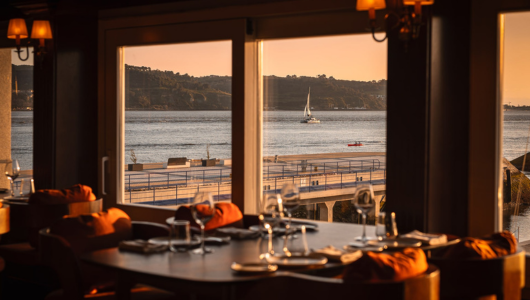
Photo by Bonança
Outside the tourist center, familiarize yourself with what time Portuguese people eat, so that you know when a restaurant’s kitchen is more likely to be open. Many Portuguese restaurants still work around lunch and dinner services, with the kitchen closing during the slower hours in between. For lunch, aim for around 12:30PM to 1:30PM if you want more choice and, for dinner, go from 8PM onwards, but do not necessarily expect a free table during August in central areas, near the river, or anywhere with a famous view.
Choosing where to eat is just as important as choosing what to eat. In Baixa, Chiado, Belém, Alfama and around the busiest viewpoints, there are good places, of course, but there are also many restaurants designed mainly for people who are tired, hungry and standing very close to a monument. Be careful with aggressive hosts, giant menus in several languages and overly staged pictures. We have good tips on how to spot an authentic Portuguese restaurant in Lisbon.
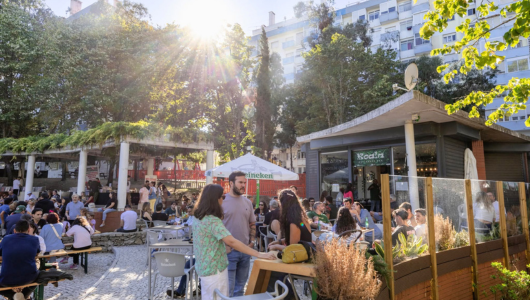
Photo by JF Benfica on Facebook
As mentioned above, when the center feels too busy, use meals as a reason to explore other neighborhoods. Some of the most genuine and still good value for money Portuguese food you can find in Lisbon will be served in restaurants around Alvalade, Benfica, Carnide, Lumiar or other neighborhoods which don’t have famous monuments but that a lot of us locals visit for the sake of a good meal. Try to eat with the season, which might mean you will not feel like indulging in some of the most popular and heavy Portuguese dishes. Instead, give preference to cold Portuguese dishes that are perfect for summer.
For more Lisbon food tips and local recommendations, feel free to get in touch with us on Instagram. And yes, Taste of Lisboa food tours run throughout August, even when some of the city’s smaller businesses take their summer break. Join us for a walk through Lisbon’s food culture, and we’ll help you find the places, flavors and stories that make the city worth experiencing beyond the obvious stops.
Feed your curiosity on Portuguese food culture:
How to connect with local culture in Lisbon and Portugal
How to identify an authentic Portuguese Tasca
How to spot an authentic Portuguese restaurant in Lisbon (and avoid the tourist traps)
Real people, real food. Come with us to where the locals go.
Signup for our natively curated food & cultural experiences.
Follow us for more at Instagram, Twitter e Youtube