
Know the classics? Try these Portuguese dishes next
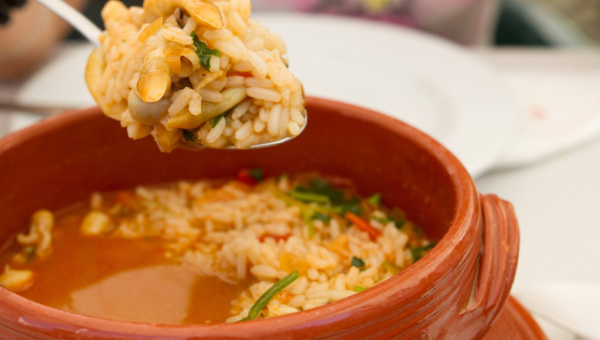
For such a geographically small country, Portugal’s cuisine has a lot of regional variety. However, Portuguese food is often represented by a relatively small circle of famous dishes. For many travellers, the first encounters with local foods involve eating a pastel de nata, a famous salt cod recipe, grilled sardines while visiting Lisbon in the summer, or perhaps tasting the local version of the more internationally acclaimed peri-peri chicken. Of course all of these foods are classic for a reason, but they can also create the impression that Portuguese cuisine is smaller or more predictable than it really is. In reality, these are just examples of a much broader food culture that many travelers to Portugal never explore as fully as they could.
Featured photo by Planta
Some of the country’s most interesting things to eat are just beyond those better-known favourites. They may share the same ingredients, belong to the same family of flavors, or come from a similar regional tradition, but they are not as popular among international travelers. By suggesting alternative dishes to the most popular Portuguese foods we wouldn’t want for you to abandon the classics. We hope to awaken your curiosity so that you end up sampling these dishes as a way into the rest of Portugal’s food culture, where there is still plenty left to discover.
If you know caldo verde, try sopa da pedra
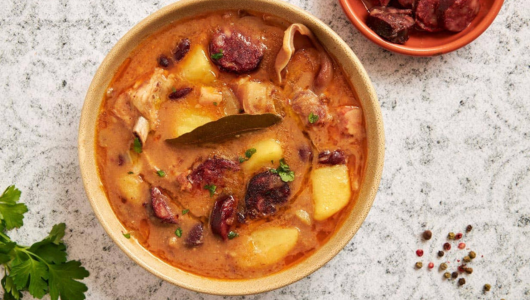
Photo by Oliveira da Serra
For many people, caldo verde is the first Portuguese soup they get to know, and with good reason. It is one of the country’s most recognizable comfort foods, associated with the north but eaten everywhere, from family tables to popular festivities. Made with potato, onion, olive oil and thin shreds of collard greens (couve galega), and customarily finished with slices of chouriço, it feels humble but at the same time quite complete.
If that balance of simplicity and satisfaction appeals to you, sopa da pedra makes a very natural next step. Traditionally associated with Almeirim, in the Ribatejo, it is a much heartier soup, built with beans, potatoes, vegetables, and different kinds of Portuguese cured meats (enchidos), and tied to the well-known local legend of the friar who supposedly made a meal starting with nothing more than a stone.
While silky caldo verde is usually served as a starter or a light meal, sopa da pedra is thicker and much more substantial, somewhere between a soup and a stew, and you could easily have it to replace a meal. In fact, sopa da pedra is one of Portugal’s best bean dishes. What these two soups do have in common is that they are both prepared with modest ingredients that are turned into something very satisfying, as it often happens with Portuguese regional cooking.
If you are curious to try sopa da pedra in Lisbon you could simply visit Loja das Sopas, a popular franchise restaurant specializing in soups, popular on most shopping mall food courts. If while in Lisbon you decide to do a day trip to Santarém, it would be worth stopping in Almeirim to try the local version at restaurants such as O Pinheiro, O Forno, or O Toucinho.
If you know peixinhos da horta, try ovos verdes
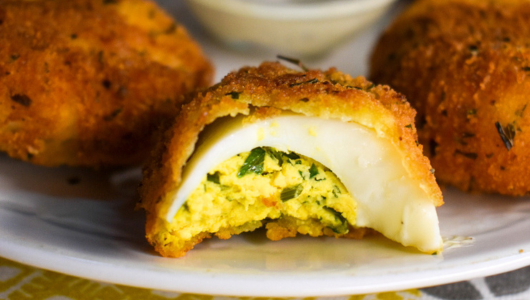
Photo by A Flavorita
Among Portugal’s many petiscos, green bean tempura, aka peixinhos da horta, are one of the easiest to love. Green beans are dipped in batter and fried until crisp, creating something light, salty and dangerously addictive, especially when served with a dipping sauce such as mayonnaise. They are a Portuguese dish believed to have inspired tempura, after the Portuguese first reached Japan in the 16th century.
If that combination of crisp coating, soft interior and snackable format is your thing, ovos verdes make an excellent order as well. They are made from hard-boiled eggs that are halved, filled again with a mixture based on the yolks and parsley, then breaded and fried. Even though ovos verdes aren’t as commonly found as peixinhos da horta, they are still one of the must-try typical foods from Lisbon. They are definitely less talked about than croquettes or cod fritters, but they deserve to be sampled as well, and they are a great option for vegetarian travelers looking to sample the authentic flavors of Portuguese cuisine.
Both peixinhos da horta and ovos verdes are part of an older style of Portuguese snacking associated with taverns, which used to rely mostly on affordable ingredients, straightforward technique and plenty of flavor. Today, here in Lisbon, we recommend tasting ovos verdes at restaurants such as Maria Azeitona (Praça de Touros, Campo Pequeno 606D), O Bem Disposto (Av. João XXI 53C), and Água Pela Barba (Rua do Almada 29).
If you know grilled sardines, try carapaus alimados
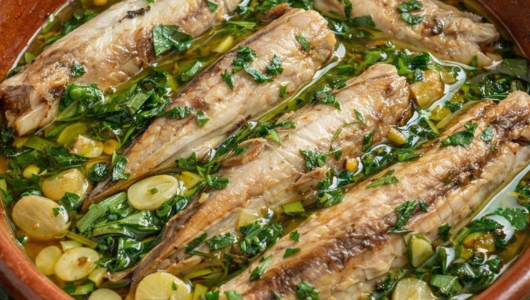
Photo by Caderno de Receitas Sandra on Instagram
Not every iconic Portuguese sardine dish has to pass over charcoal, and carapaus alimados offer a very different way into the same summery Atlantic side of the country’s cooking. Traditionally associated with the south, especially the Algarve, they are made with horse mackerel that are salted or lightly cured, then seasoned with olive oil, garlic and acidity.
Grilled sardines are one of the most visible symbols of Portuguese summer, especially in Lisbon and across the centre and south, where they have become almost synonymous with popular festivities such as St. Anthony in Lisbon. Carapaus alimados are also made with oily fish, also best enjoyed during the warmer months, but they are brighter in terms of flavor, when compared with the smoky tones of sardinhas assadas. But if you are into this type of fish, you are very likely to enjoy both.
Grilled sardines are much more ubiquitous in Lisbon during summer. You will not find carapaus alimados in street parties such as those held during the Santos Populares, but you will indeed be able to order them at eateries such as Cravó (Rua da Misericórdia 95 1st floor), in the Chiado area, where they are served with roasted peppers salad, or at Puro Sangue (Travessa das Mónicas 28), in Graça.
If you know arroz de marisco, try arroz de lingueirão
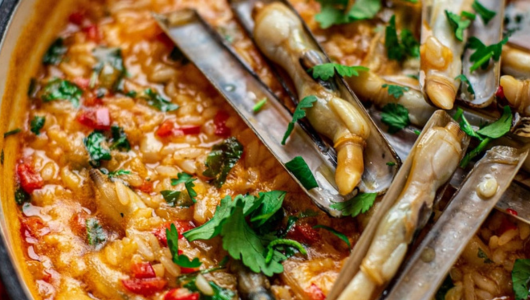
Photo by Tuga na Cozinha
There is a reason arroz de marisco is one of the best-known Portuguese seafood dishes. It is a generous and aromatic typical rice dish, that is served loose and soupy rather than dry, with shellfish stock, tomato, herbs and a mix of seafood that varies according to recipe and budget. For many visitors, this is one of the must-try dishes when you visit a coastal town in Portugal.
But if what appeals to you is the briny flavors and that spoonable pleasure of a proper arroz malandrinho, then arroz de lingueirão is a more interesting next step. Built around razor clams instead of a variety of seafood, it also tends to be a little more saline and mineral. Both dishes are usually prepared with Carolino rice, a Portuguese grain variety that is cooked as it absorbs stock while still keeping a loose, almost brothy texture.
In places like Comporta, a worthy day trip from Lisbon to enjoy the beach and delicious seafood, it is one of the rice dishes people often look for, because of being nearby the estuary. In Comporta itself, you may want to try razor clams rice at Dona Bia or, in nearby Carrasqueira, at Retiro do Pescador. In Lisbon, there are several ways to try it. For a more straightforward version, try NUNCA (Rua Visc. de Santarém 69B) or, for a version which also includes prawns (arroz de lingueirão com gambas no tachinho), head to Jardim da Luz (Largo da Luz).
If you know polvo à lagareiro, try filetes de polvo com arroz do mesmo
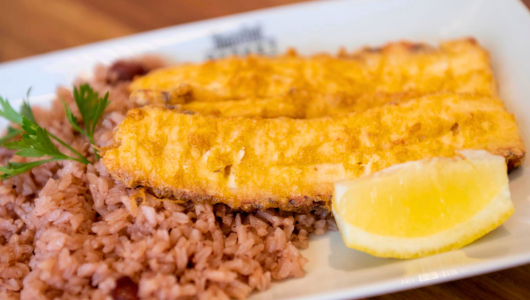
Photo by Restaurante Casa Inês on Facebook
For many visitors, polvo à lagareiro is the octopus dish in Portugal. This recipe consists of octopus cooked until tender, finished with plenty of olive oil, garlic and punched potatoes. Strongly associated with northern cooking, especially with regions where octopus has a festive role during Christmas, it is now a staple on traditional menus all over the country.
Filetes de polvo com arroz do mesmo take the same ingredient in a completely different direction. Instead of roasting the octopus whole or in large pieces, the flesh is cut into fillets, coated and fried, then served with rice cooked in the octopus stock (arroz de polvo). If you enjoy the pronounced octopus flavor of polvo à lagareiro but you also enjoy loose rice dishes and crispy fritters, then there is no way you will not enjoy filetes de polvo com arroz do mesmo, which also have quite a funny name, literally translating to “octopus filets with rice of the same”.
In Lisbon, Os Courenses (Rua José Duro 27D) is one of the best-known places to try filetes de polvo com arroz do mesmo. Another spot worth seeking out for the sake of this dish is Tasquinha do Lagarto (Rua de Campolide 258), even though at this restaurant this incredible Portuguese octopus dish is on rotation among the daily specials and not listed on their permanent menu.
If you know bacalhau à Brás, try bacalhau à Gomes de Sá
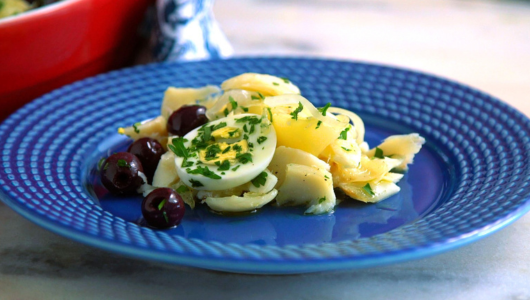
Photo by Tastemade
Salt cod is one of Portugal’s favorite ingredients, and we have built an incredible repertoire of bacalhau dishes across the country. However, many visitors stick to the more well-known dishes such as bacalhau à Brás – find our recipe for it here. This popular dish originated in Bairro Alto, in Lisbon, and consists of shredded cod, onions, matchstick potatoes, sautéed together and bound by beaten eggs, with a finishing touch of olives and parsley. Even for those unfamiliar with the salty flavor of cured cod and the specific texture of this dry fish, bacalhau à Brás makes for a very easy point of entry to the wonderful and seemingly never-ending Portuguese world of cod.
If that is the version of bacalhau that won you over, bacalhau à Gomes de Sá could be next on your wishlist of Portuguese bacalhau dishes. Created in Porto in the late 19th century by José Luís Gomes de Sá, it is prepared with small flakes of codfish, traditionally softened in milk, then baked with potatoes, onions, olive oil, black olives, parsley and boiled egg. Both recipes share a very similar list of ingredients, but they are prepared in a different way. Both dishes belong to the world of everyday Portuguese cooking with cod, and they are often enjoyed at home as well as in restaurants.
Even though it is more typical in the north of the country, in Lisbon you can still easily find bacalhau à Gomes de Sá in restaurants that specialize in codfish, as well as other typical Portuguese eateries. If you want to try this and other codfish dishes, we recommend restaurants with broad bacalhau menus such as D’Bacalhau (Zona Ribeirinha Norte, Rua da Pimenta 45), in the area of Parque das Nações, and A Casa do Bacalhau (Rua do Grilo 54).
If you know queijo da Serra, try queijo de Azeitão
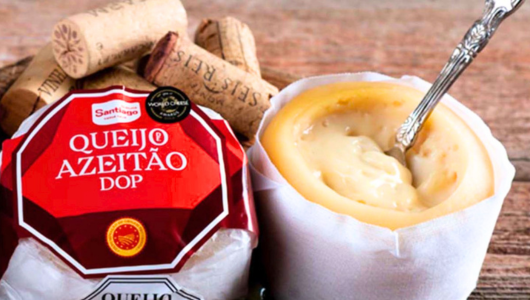
Photo by Alivetaste
For many people, queijo da Serra is the most famous Portuguese cheese. Produced in the Serra da Estrela region from raw sheep’s milk, it is especially beloved when it’s young and soft enough to be spoonable rather than cut into with a knife. Part of its character comes from the fact that it is traditionally coagulated not with animal rennet but with cardoon thistle, a technique that gives it a very particular vegetal edge beneath all that buttery richness.
That same cheesemaking tradition is exactly what makes queijo de Azeitão such a good next try. Also made from sheep’s milk and traditionally set with cardoon thistle, it comes from the Azeitão area in the Setúbal district, just south of Lisbon, and has its own DOP status. The resemblance to queijo da Serra is not accidental. In the 19th century, Gaspar Henriques de Paiva, a farmer originally from Monsanto, in the Beira Baixa, moved to Azeitão and began making a sheep’s cheese in a style similar to queijo da Serra, inspired by the nostalgia he felt for the flavors of his home region. He brought in Bordaleira sheep and worked with a cheesemaker from Castelo Branco, who helped reproduce and pass on the techniques associated with inland central Portugal. Over time, those methods were adapted locally and the cheese became smaller and more commercially viable, gradually developing into what is now known as queijo de Azeitão, which is a parish in the municipality of Setúbal.
You can easily buy queijo de Azeitão anywhere in Lisbon, including regular supermarkets. If while in Lisbon you prefer to visit a specialized gourmet store that includes queijo Azeitão amanteigado DOP in its cheese selection, we recommend visiting Manteigaria Silva (Rua D. Antão de Almada 1 C e D), right downtown. Also, keep in mind that Azeitão is less than one hour drive from Lisbon, so you could also travel there to visit a cheese factory or, at the very least, do a wine tasting and cheese sampling experience in the area.
If you know prego, try pica-pau
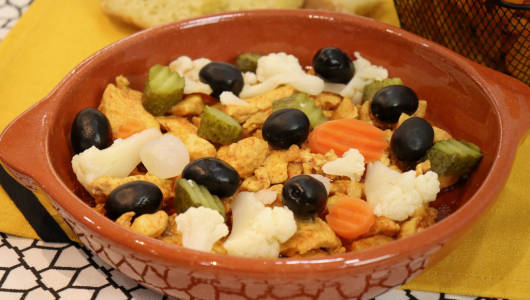
Photo by Momentos Doces e Salgados
If you are into beef, in Portugal you ought to try prego. Whether served in bread (known as prego no pão or simply prego) or on a plate with side dishes (prego no prato), it usually comes down to a thin steak, garlic, a little sauce or mustard depending on the cook and on personal taste, as the sauce is often added at the table itself. You will find this quick and satisfying option in cafés, snack bars and casual restaurants, as well as in street food options when we’re talking about the meat sandwich version.
Pica-pau belongs to that same world, but it’s a small platter usually enjoyed as an appetizer or petisco, perhaps with bread to soak up the sauce, but not in the sandwich format per se. The meat is cut into bite-sized pieces and cooked in a garlicky, savory sauce, often finished with pickles and meant for sharing around the table. There are versions made with beef, pork or a mix of both types of meat, and the name is often said to come from the way people spear the small pieces with toothpicks, like a woodpecker pecking away.
In Lisbon, there is no shortage of places to try it. Even though it is a seafood focused restaurant, O Pinóquio (Praça dos Restauradores 79 80) has long been one of the city’s best-known addresses for pica-pau. More recently, Pica-Pau (Rua da Escola Politécnica 27), in Príncipe Real, has made the dish one of its signatures, including beef tenderloin pica-pau (pica-pau do lombo) on the menu.
If you know chouriço, try alheira
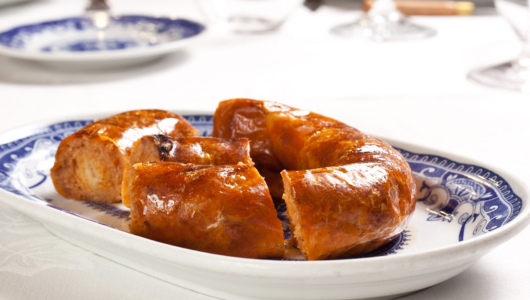
Photo by Bísaro
Portugal has an incredible range of smoked and cured meats known locally as enchidos, and chouriço is perhaps the most famous of them all, at least among visitors. This pork sausage is liked for its smoky and paprika-heavy profile, and it can be eaten sliced into stews, included in rice dishes or served simply as a starter, sometimes even flaming at the table.
Alheira belongs to the same universe of Portuguese sausages, but it has a more curious story behind its recipe. Traditionally associated with Trás-os-Montes, it emerged in the context of the forced conversions of Jews in late 15th-century Portugal. Because pork consumption was forbidden under Jewish dietary law, those who continued to observe those rules in secret risked drawing attention to themselves if their homes did not display the kinds of sausages commonly hung in Portuguese smokehouses. Alheira offered a way to imitate the appearance of pork sausages without using pork itself, relying instead on bread and meats such as poultry or game. Curiously, today, you are more likely to come across alheira made with pork, so, if you’d like to sample a version closer to the original, with meats such as poultry and rabbit, you should look for alheira de caça.
Just like chouriço, alheira can be eaten on its own or as a part of other dishes, like stews, where it’s included to add extra flavor. We commonly enjoy alheira either fried or grilled, served with fries and salad, or with boiled potatoes and sautéed turnip greens (grelos). As a petisco, it can show up grilled and sliced to be enjoyed simply with some bread, or in preparations such as puffs, scrambled with eggs, in pies and fritters like croquetes or other typical portuguese savory snacks.
In Lisbon, alheira is easy to find in both traditional and more contemporary settings, often even appearing as a daily special in pastelarias which serve pratos do dia and tascas. Head to Mármore (Calçada do Carmo 19) to enjoy a straightforward grilled alheira, or to Serra da Estrela – Cantinho Regional (Rua Ten. Ferreira Durão 55B) to taste their home-made alheira with migas. More contemporary places such as Infame (Largo do Intendente Pina Manique 4) also feature it as a main dish with egg cooked at low temperature and greens.
If you know cured ham, try muxama
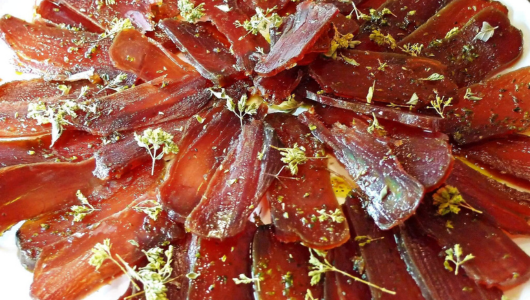
Photo by Clube de Vinhos Portugueses
Portugal’s culture of cured foods does not begin and end with pork. Ham and sausages may be the most obvious examples, but preservation by salt, air and time has long shaped the way fish is eaten too, especially in the south. That wider tradition is getting renewed attention today through projects such as Selo de Mar, which works with products it explicitly describes as sea charcuterie and develops cured and preserved seafood products alongside garum and bottarga.
Long before this newer wave, though, muxama had already secured its place in Portuguese food culture. Made from tuna loin cured in salt and dried, it is particularly associated with the Algarve, even though it also exists in Spain, where it is known as mojama. The word comes from Arabic, as musama means dry in this language. The product itself is connected to the long history of tuna fishing and salting in southern Iberia, where Phoenician, Roman and later Arab influences all left their mark on how fish was caught, traded and preserved.
Anyone who already appreciates cured ham (presunto) is likely to enjoy muxama as well. They don’t necessarily taste alike, but they are both salty and with a concentrated flavor, eaten in very thin slices, appreciated for their flavor but also for their texture. Unlike cured ham, we do not normally eat muxama with bread. Muxama de atum is normally served as an appetizer either on its own, or with a drizzle or olive oil and sliced almonds.
Do not expect to find muxama in old-school tascas across Lisbon. You can for example taste it at Sol e Pesca (Rua Nova do Carvalho 44), where they drizzle some fresh lemon juice over it to cut through its salty flavor, or at Terroir (Madalena Beautique Hotel, Rua da Madalena 271), where they serve it shredded over bread. To buy muxama to take home, head to a traditional Lisbon grocery store such as Pérola do Arsenal (Rua do Arsenal 94) or Rei do Bacalhau (Rua do Arsenal 60).
If you know peri-peri chicken, try frango à passarinho
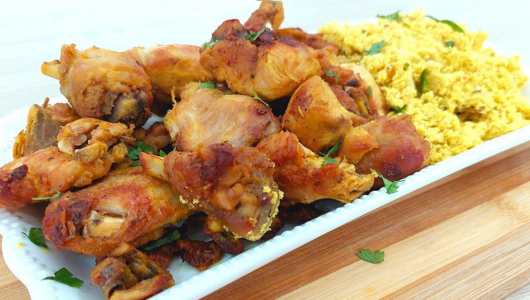
Photo by Tata Medeiros on Youtube
Portugal has no shortage of beloved chicken dishes and frango de churrasco, often referred to in English as peri-peri chicken, is the more internationally recognized one. It’s grilled over charcoal and delicious because of its smoky flavor and aromas, enhanced to taste with the addition of spicy peri-peri sauce.
In frango à passarinho, instead of a butterflied bird charred on the grill, it is usually cut into small pieces, fried until crisp and seasoned simply, sometimes with garlic, herbs or lemon. It can be served in small pieces for snacking or sharing, or with sides such as fries or rice for a more complete meal. While peri-peri chicken is normally found in specialized BBQ restaurants known in Portugal as churrascarias, you will normally find frango à passarinho in casual eateries and snack bars, where it is more likely to be listed as a daily special than being a part of the a la carte menu. Just like grilled chicken though, it goes extremely well with a refreshing cold beer.
While traveling around Lisbon, keep an eye on the menus of restaurants with pratos do dia, like O Apeadeiro (Rua de Entrecampos 1D), which routinely serves this dish. Otherwise, head to a restaurant where you know it’s already more likely you’ll come across frango à passarinho, such as Cervejaria Malandra (Av. Dom João II).
If you know arroz de pato, try arroz de cabidela
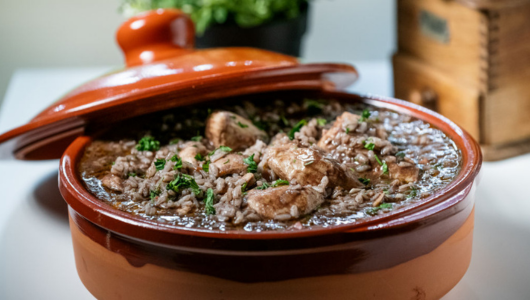
Photo by 24Kitchen
Even though Portugal is very fond of loose and saucy rice, we also have some typical recipes built around rice which is drier. Duck rice, known in Portuguese as arroz de pato, is one of the tastiest examples of that, made with rice cooked in the broth used to boil the duck, with the shredded meat mixed in, baked in the oven with a layer of smoky sausages like chorizo.
Arroz de cabidela takes that same Portuguese affection for deeply flavored rice, but introduces a twist for more adventurous eaters. It is traditionally from the northern Minho region, and it is made with poultry and finished with blood mixed with vinegar, which gives the rice its distinctive color and sharpness. This dish has been known to exist in Portugal since at least the 16th century and even though it’s quite old-school, it is still appreciated by many to this day. Some people, though, consider it to be a great example of Portugal’s most bizarre foods.
Both arroz de pato and arroz de cabidela are rich and savory, using the animal fat and meat to enhance the flavor of the rice. Arroz de pato is more polished and widely embraced, while arroz de cabidela is more rustic and a great example of Portugal’s best zero-waste dishes.
In Lisbon, arroz de cabidela often appears in places that take traditional Portuguese cooking seriously, including Adega da Tia Matilde (Rua da Beneficência 77), Solar dos Nunes (Rua dos Lusíadas 70), and O Luís (Rua José Duro 29).
If you know pudim flan, try pudim Abade de Priscos

Photo by A Carvalheira
Pudim flan is a very familiar presence on traditional restaurant menus, and most people enjoy it because of its glossy caramel and smooth texture. Generally speaking, Portugal has an intense love affair with custards of all sorts and shapes, as showcased in things like pastel de nata, our version of crème brûlée (leite creme), and even more regional specialities like tigelada.
Pudim Abade de Priscos belongs to the same pudding family as flan, but with far more personality. It was created in the 19th century by Manuel Joaquim Machado Rebelo, the Abbot of Priscos, near Braga, and it is today one of Portugal’s most famous regional desserts. It is a cousin of ordinary caramel pudding, with a richer and more luxurious feel. Besides a large number of egg yolks, the recipe also features copious amounts of sugar, Port wine and pork fat, which gives it its distinct denser texture and shiny look.
We believe that this is one of the most decadent desserts you can try in Portugal and, to do so in Lisbon, we would recommend addresses like seafood restaurant Baixamar (Rua dos Bacalhoeiros 28C), The Lisbon Club 55 (Rua de Santa Catarina 3), or Pigmeu (Rua 4 de Infantaria 68), in the neighborhood of Campo de Ourique. If you prefer to sample pudim Abade de Priscos without having to commit to a more complete meal, visit dessert shop Atelier Miguel Silva, in nearby Oeiras.
If you know chocolate mousse, try baba de camelo
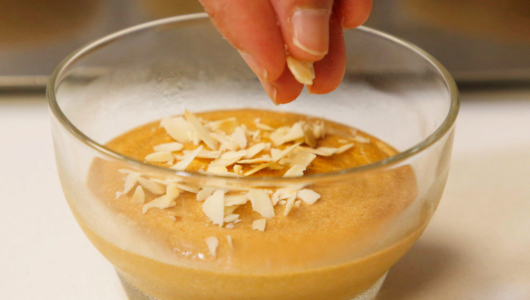
Photo by Pastelaria Online
For many people eating their way through Portugal, chocolate mousse is one of those familiar desserts that keeps appearing at the end of a meal. But, if you are into mousse, we would suggest you also try baba de camelo. This creamy dessert whose name funnily translates as “camel’s drool” is made with cooked condensed milk and eggs, and it could be perceived as a sort of toffee mousse, with a pronounced caramelized taste. It’s a classic, present in tasca menus as well as the refrigerated section of many supermarkets, so finding it in Lisbon won’t be hard. Ask around and you’ll quickly understand that this is one of Portugal’s favorite national desserts, consensual between the young and the old.
Besides being an actual dessert, these days baba de camelo works almost like a flavor profile of its own, admittedly not to the extent that chocolate does, but still in a relevant way nonetheless. You can find baba de camelo ice cream, pies with baba de camelo and trifle style desserts which have replaced the usual custard with this condensed milk mixture. Even international brands such as McDonald’s have been known to serve a sundae with baba de camelo topping.
You don’t need to go anywhere special in Lisbon to try baba de camelo. Go to any neighborhood tasca and you are likely to find it. But if you’re on your last meal in town and you don’t want to take a chance, head straight to a restaurant like Laurentina Rei do Bacalhau (Av. Conde de Valbom 71A), or O Miudinho (Rua Neves Costa 21).
If you know pastel de nata, try pastel de feijão
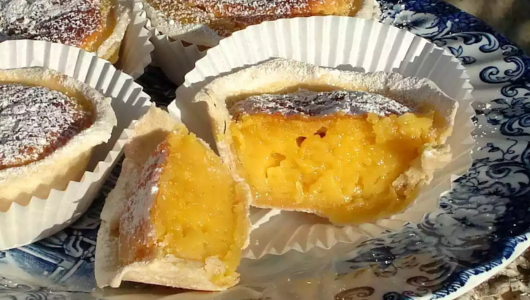
Photo by Petitchef
Few Portuguese sweets have travelled as well as the pastel de nata. Consisting of creamy custard inside a crisp puff pastry with a hint of salt that will make you want another one as soon as you’re finished with the first one, it’s the one pastry the vast majority of travelers have on their Portugal food wishlist. It is also one of the pastries that us locals tend to eat the most, at breakfast or for a little something sweet along with coffee, and discussing the best place to eat pastel de nata in Lisbon is one of the city’s unofficial hobbies.
But, of course, our country’s everyday pastry culture doesn’t begin and end with custard tarts. Pastéis de feijão, for example, are also ubiquitous and extremely beloved across the country. They originated from Torres Vedras, north of Lisbon, where they have Protected Geographical Indication, granted by the European Union. This sweet is made with a delicate pastry shell filled with a sweet mixture based on white beans, sugar, egg yolks and almonds. It is one of the rare conventual style sweets you are still likely to find in many pastry shops in and around Lisbon, making it a very everyday type of choice.
Beans in a sweet tart may sound odd to some, but in this recipe they are added for creaminess and you don’t actually get to perceive the actual taste of the beans. Similarly to pastel de nata, pastel de feijão features a soft filling surrounded by crisp pastry, making the contrast of textures one of the things that attracts those with a sweet tooth to these pastries. Recipes vary as they often do in Portugal, and sometimes the bean pastry is done with a shortbread kind of pastry, while in others it features something closer to puff pastry, with more laminated dough. Sometimes, the filling is also hidden as the pastel de feijão has a pasty “hat”.
These bean pastries are incredibly common across the country and, in the Portugal capital, some of the best can be found at traditional Lisbon pastry stores, such as Confeitaria Nacional (Praça da Figueira 18B), or Pastelaria Versailles (Av. da República 15 A). But it’s so easy to take a day trip to Torres Vedras from Lisbon, that we would definitely recommend traveling there and sampling pastel de feijão at traditional pastry shops like Pastéis Brasão or Casa Benjamim.
As you can see, the more you get past the obvious, the more rewarding Portuguese food becomes. For more stories like this, plus insider tips on what to eat and where in Lisbon and beyond, subscribe to the Taste of Lisboa newsletter.
Feed your curiosity on Portuguese food culture:
10 must-try typical foods from Lisbon (and where to eat them)
Traditional Portuguese dishes made with wine – recipe inside
How to eat vegan the traditional Portuguese way
Real people, real food. Come with us to where the locals go.
Signup for our natively curated food & cultural experiences.
Follow us for more at Instagram, Twitter e Youtube