
Portugal’s best zero-waste dishes
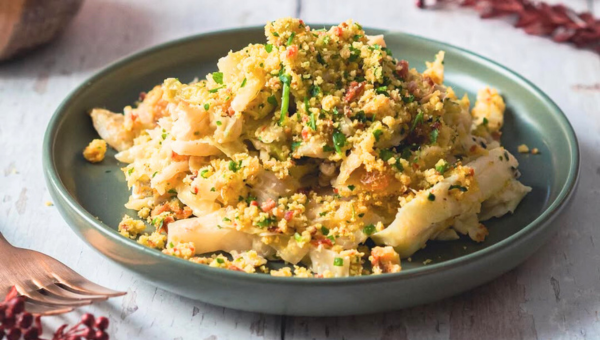
People who grow up in Portugal would be familiar with the practices of zero-waste or, at the very least, low-waste, before modern day sustainability concerns made these concepts popular. Usually, we would learn what making the most of things meant inside the kitchen. Watching your older family members turn bones into broth, or enjoying Christmas cod the next day flaked apart with potatoes and greens, we learn how to extract the maximum potential of our food.
For much of the country’s history, with families depending on small-scale agriculture, fishing, and livestock for survival, letting any food go to waste was unthinkable. Under the long austerity of the Estado Novo dictatorial regime led by António de Oliveira Salazar in the mid 20th century, frugality was not just part of our economic reality, but also a strong part of the national doctrine. This mentality has a word in Portuguese: aproveitamento. It’s something practical but eventually it also became cultural, as plenty of today’s dishes which are considered classics in Portuguese cuisine, were born from these low-waste practices, often carried out by women.
Feat photo by Miguel Mesquita on Instagram
Fast forward to the present, and Portugal finds itself in the same paradox as much of Europe. Supermarket abundance coexists with alarming levels of food waste. The country now discards thousands of tons of edible food each year. At the same time, chefs are rediscovering whole-animal butchery, seasonal cooking, and nose-to-tail traditions that were once simply common sense. Sustainability is suddenly fashionable even if in Portuguese homes, those same techniques have been in practice for generations already. It’s almost ironic as what we now label as “low-waste cooking” was not that long ago just cooking.
Turning old bread into new foods
Let’s look at one of the most wasted foods worldwide. Until a few decades ago, in villages across the country, families baked bread in bulk, often once a week. The dough was mixed at home, then carried to a forno comunitário, the communal wood-fired oven that served the whole neighborhood. Portuguese bread loaves were big on purpose and a proper loaf could easily weigh over a kilo, with a thick crust tough enough to survive days on the table. In the Alentejo, a single pão alentejano could easily feed a household for days and, in the north, dense cornbread (broa de milho) played the same role.
At home, you didn’t store bread in plastic, but in cloth. It was usually wrapped in linen, kept in wooden chests or bread drawers, or sometimes hung in fabric bags. Freshly baked bread was for the first couple of days. After that, people managed the aging process, first toasting it, and then eventually mixing it with other ingredients like broth or fat to bring it back to life. But throwing bread away was never even a consideration.
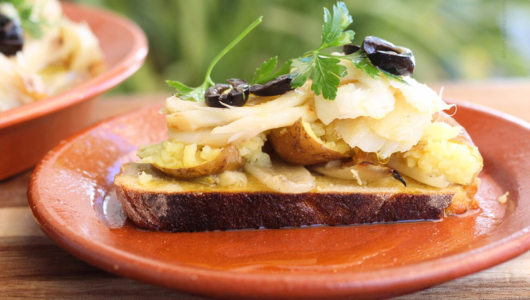
Photo by Da Horta Para A Cozinha
When it comes to toasting, the Portuguese kitchen goes further than breakfast. In Ribatejo, torricado is made with thick slices of bread which are cut, scored, toasted over charcoal, brushed generously with garlic, doused in olive oil and sprinkled with salt. Traditionally, it’s served with grilled salt cod, but the real star is the bread, smoky and soaked in fat. In parts of the Alentejo and Algarve, tibornas (pictured above) follow the same principle, with bread toasted or warmed, then “bathed” in olive oil and topped with whatever is at hand, such as garlic and oregano, tomato, sardines, leftover cod, even sugar and cinnamon in some home variations.
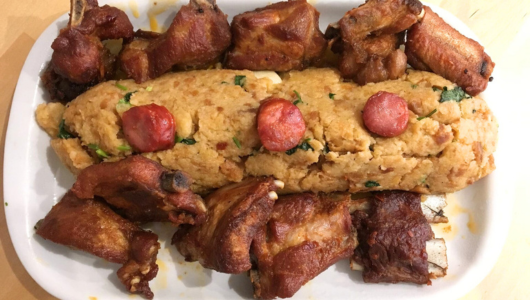
Photo by Rádio Campanário
Migas are one of the most well-known Portuguese recipes using old bread. In the Alentejo, stale wheat bread is soaked, squeezed, then fried with garlic, olive oil and often pork fat, stirred until it becomes compact and cake-like, usually served with pork meat. It’s common to mix migas with asparagus (migas com espargos), as this practice was born from field workers who would fold in foraged wild asparagus, turning yesterday’s bread into something greener and richer. In the center of Portugal though, migas tend to be looser, more like garlicky breadcrumbs with cabbage or beans, sometimes built around the drippings of a roast, a little differently than migas alentejanas.
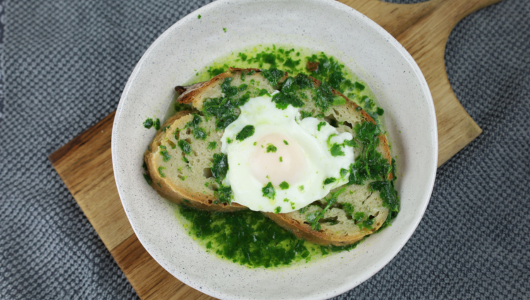
Photo by Eu Amo Portugal
Açorda takes the same stale bread and gives it a different afterlife. In the Alentejo version, also known as açorda alentejana (pictured above), you don’t cook the bread for long. You drown it in a broth made with garlic and coriander, then finish it with good olive oil and a poached egg. This is a quick and filling recipe that showcases the influence Moors had on Portuguese food. Being that the word açorda comes from the Arabic thurda, literally “bread softened in broth”. Along the coast and in places like Setúbal or the Algarve, the same idea gives place to açorda de marisco (pictured below), where the bread is directly simmered with a seafood stock and the dish is often finished with shrimp, bacalhau or other bits of fish.
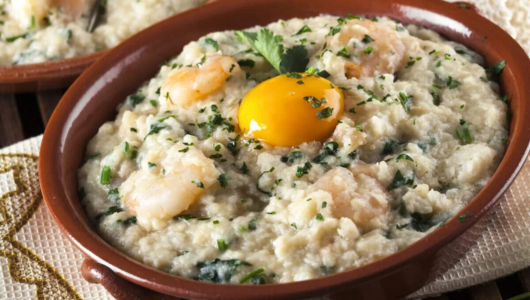
Photo by VortexMag
Tougher bread also sits at the base of ensopados, which are dishes where slices of bread are laid in the bottom of a dish and soaked in meat juices or broth. Ensopado de borrego, with stewed lamb, is one of the most well-known examples of this, and it is actually one of Alentejo’s most iconic recipes.
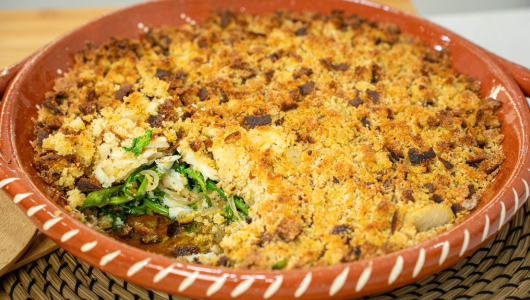
Photo by Momentos Doces e Salgados
Cornbread is also used when it is drier, for example in dishes like oven-baked salt cod with a cornbread crust (bacalhau com broa). This beloved bacalhau recipe consists of cod (either a slab or shredded cod) baked under a generous crust of crumbled cornbread mixed with garlic and olive oil. The broa topping crisps beautifully while soaking up the fish juices and fat.
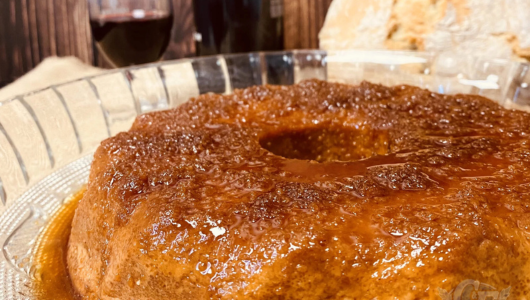
Photo by Pão de Rio Maior
Stale bread can also be used to make desserts, and bread pudding (pudim de pão) is perhaps the most well-known example of that. Crumbs or sliced leftovers are soaked in milk, mixed with eggs and sugar, sometimes flavored with lemon peel or cinnamon, and baked in a caramel-lined mold. Optionally, the sauce can also be made with a reduction of fortified Port wine, turning something which started as a humble idea into a decadent dessert.
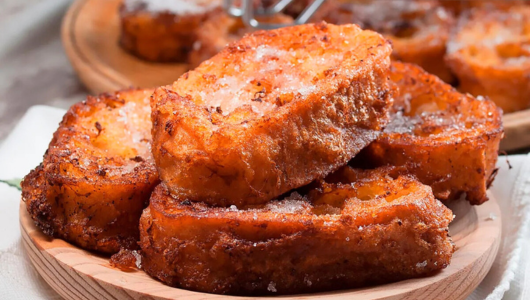
Photo by NCultura
Around Christmas, the reinvention of bread into something sweet gives room to rabanadas or fatias douradas. Portugal’s take on French toast starts with day-old bread, sliced thick, in some homes soaked in milk, while in others, particularly in northern Portugal, they can also be soaked in wine – we have a recipe for rabanadas de vinho for you here. They are always dipped in egg, fried and rolled in sugar and cinnamon, and they are one of Portugal’s most iconic Christmas desserts.
Giving fish and meat a second life
If bread was never meant to be wasted, more expensive ingredients like meat and fish were even more important.
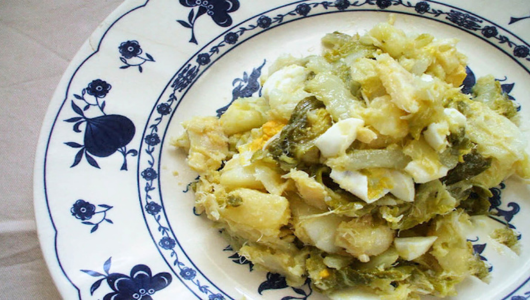
Photo by Milenio Stadium
Roupa velha is the clearest example of this. Traditionally made after the Christmas Eve dinner of boiled cod with potatoes and cabbage, it takes what’s left in the serving dish and turns it into shredded bacalhau and small pieces of potatoes and greens, sautéed with garlic and olive oil until they pick up color and a bit of texture. In many homes it’s eaten on the 25th or 26th of December and, for a lot of people, it is as expected as the main Christmas meal. The name may sound rough, “old clothes”, but the plate isn’t sad at all.
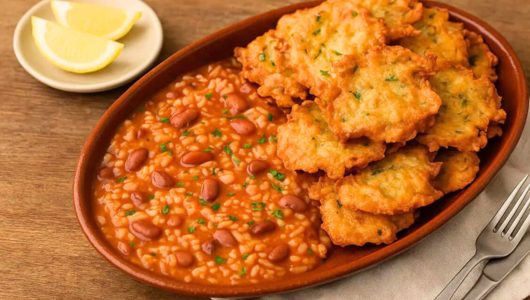
Photo by Caseirices
Pataniscas de bacalhau and pastéis de bacalhau (also known as bolinhos de bacalhau in the north of the country) are both ways of giving new use to leftover cod and smaller trimmings that don’t usually make it into more composed dishes. Pastéis are oval-shaped fritters made with a mix of shredded cod and mashed potato, usually quite fluffy inside, almost like a savoury cod croquette. Pataniscas skip the potato and go for a looser batter made of flour and eggs, where the cod is folded in and fried in flat spoonfuls, so they come out irregular, with crisp edges and a softer center. Pastéis are easy to eat by hand and show up everywhere, from petisco restaurants to pastelarias. Pataniscas feel more like a proper meal component and often arrive at the table as a main, usually served with tomato rice or beans rice on the side, as pictured above.
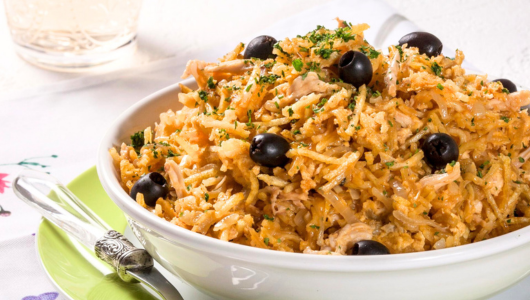
Photo by Moulinex
Then there is also the whole à Brás family. The original bacalhau à Brás historically started as a way of using up less noble pieces of cod, shredded and tossed in a pan with softened onion, shoestring potatoes and beaten egg, finished with olives and parsley. Over time, à Brás stopped being one dish and became a technique, with the same base of onion, fried matchstick potatoes and loose egg now appearing at home with leftover chicken (as pictured here in a Brás de frango), vegetables or even seafood. You’re less likely to find all of these versions written on restaurant menus but, in domestic kitchens, à Brás is a very versatile Portuguese way of cooking.
Leftover meat often results in fried snacks, known in Portugal as salgados. Croquetes are the classic case, featuring beef, boiled meats from cozido or other odds and ends which are finely chopped, bound with a thick béchamel, shaped, crumbed and fried:
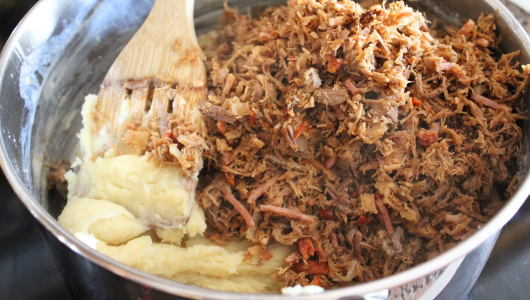
Photo by Iguaria Receita e Culinária
Rissóis follow a similar principle, featuring a dough casing shaped as a half-moon that can hide almost any filling, from minced meats to fish scraps and vegetables, as long as it is well seasoned.
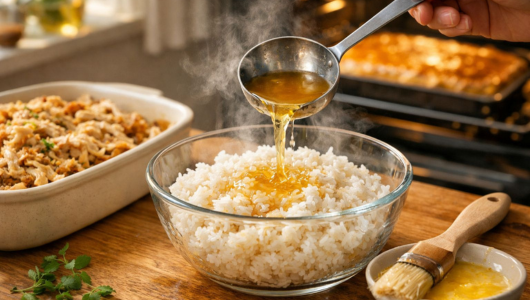
Photo by Joana Taborda
There are also popular oven-baked dishes that make very good use from leftover meats. Empadão is the classic example, featuring a base layer of mashed potato, a filling of minced meats (like pork and/or beef) or shredded chicken, and another blanket of mash on top, baked until it browns. The meat is rarely cooked from scratch for this. More often it’s a mix of what’s left from stews, roasts or boiled dinners. In some homes, the potato is swapped for rice and you get empadão de arroz, a similar preparation where even the leftover rice is repurposed.
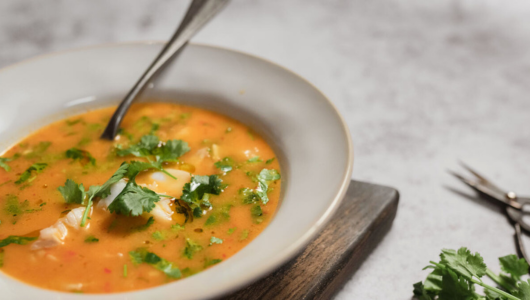
Photo by 24Kitchen
Broths and stocks, in Portugal as elsewhere in the world, are also great to repurpose things like fish heads, bones and prawn shells, and build flavor bases for soups and other saucy recipes. In Portugal, we for example love sopa de peixe or creme de mariscos, made of fish and seafood stocks. Even the cooking liquid of cozido à portuguesa becomes sopa do cozido or caldo do cozido, sometimes bulked out with pasta, rice or more vegetables. In some homes (and even restaurants), the meats and vegetables from cozido also find their way into empadas de cozido, small pies where chopped leftovers are bound with a bit of sauce and baked in pastry. But what is super interesting still focusing on the soups is that, many of these recipes which were born from making the most of ingredients, are even those you’ll see in supermarket aisles when you browse for industrial packaged soups and soup concentrates.
Until not that long ago, buying a whole chicken used to be the norm rather than the exception, and that meant using every part. The prime pieces went into roasts or stews, while the giblets and innards ended up in dishes like arroz de miúdos (pictured below), that is rice cooked with hearts, livers, and gizzards. This is a great example of nose-to-tail eating, as is cabidela, which is rice cooked with the animal’s blood and vinegar, best known as galinha de cabidela but also made with rabbit or other meats. In the north, pork plays the same role in dishes like sarrabulho or arroz de sarrabulho. In the Minho region, arroz de sarrabulho usually means rice cooked in pork blood with bits of meat and offal, heavily seasoned with spices, and often served alongside fried pork (rojões). In some areas, sarrabulho itself can also refer to a thick soup of cornmeal enriched with blood. In both cases, blood is treated as an ingredient in its own right, not something to be discarded.
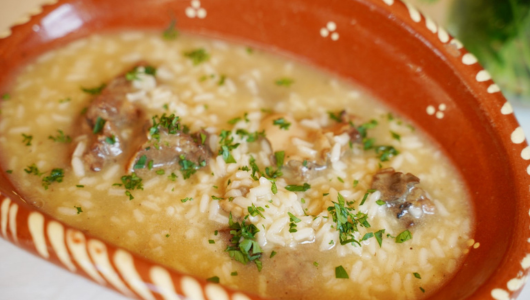
Photo by Ponte de Lima à Mesa
In these cases we’re no longer talking about leftovers, but about using everything an animal provides, which is another form of zero-waste cooking. And the same logic applies to enchidos, which are Portugal’s range of sausages and cured products like chouriço, farinheira, morcela or alheira, where cuts of meat, fat, blood and offal are seasoned, minced and stuffed into the animal’s cleaned intestines, making sure as little as possible goes to waste.
Some regional sausages take this even further. In Trás-os-Montes, butelo is made by stuffing a pig’s stomach or bladder with pieces of meat still attached to bones, plus fat and seasoning, then smoking and cooking it so that even bony cuts are turned into something you can serve at the table. In a similar spirit, chouriço de ossos uses small, bony scraps that wouldn’t have much use on their own, packing them into a sausage that’s usually boiled or added to stews. Both are good examples of how the nose-to-tail approach doesn’t stop at various cuts of meat or even at offal, and it can also extend all the way to bones and connective tissue, with flavor and nutrition extracted as much as literally possible.
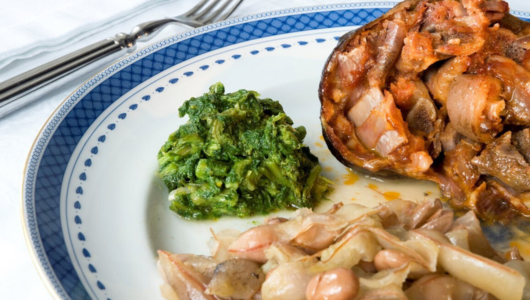
Photo by Rota da Terra Fria
Butelo is traditionally served with casulas, which are the dried pods of beans that would otherwise be discarded once the beans are taken out. The pods are cut, dried and later rehydrated and cooked, usually in a stew alongside the sausage. Butelo com casulas, a plate from Trás-os-Montes that makes full use of the animal and of the plant, is without a doubt one of Portugal’s most low-waste dishes, if not the ultimate example of how our cuisine avoids discarding anything edible at all.
Sweet ways of not wasting a thing
More than a creative exercise, doces conventuais started as a way to repurpose egg yolks, as in convents egg whites were routinely used to starch linens, leaving the kitchen with a surplus of yolks. Throwing them out wasn’t an option, so sugar became the partner that made them useful, and so many of the sweet recipes that now define Portuguese pastry were born.
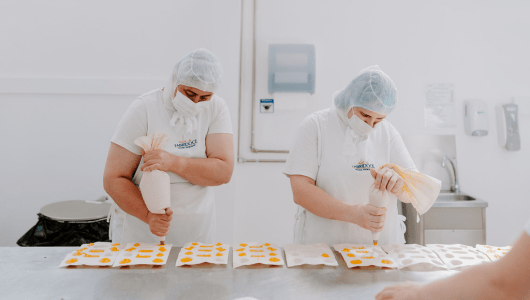
Photo by Oficina do Doce
We’re talking about ovos moles in Aveiro, where yolks and sugar are cooked into a paste and wrapped in thin wafers; fios de ovos and trouxas de ovos, where yolks are cooked into threads or rolled parcels; barriga de freira, papo de anjo, encharcada and similar recipes built almost entirely from yolks, sugar and expertise manipulating the many textures sugar can achieve depending on temperature. We could say that even the ultra popular pastéis de nata were born from the need to use endless egg yolks, which mixed with dairy gave room to the velvety custard we all know and love.
Outside convent kitchens, recycling ingredients has also always been common. Once you start loading recipes with yolks, following the teachings of conventual sweet making, you create a reverse problem: now you have leftover egg whites. Traditional pastry answers that too with preparations such as meringues (suspiros) and the egg-white pudding baked in a caramel-lined mold we call molotof:
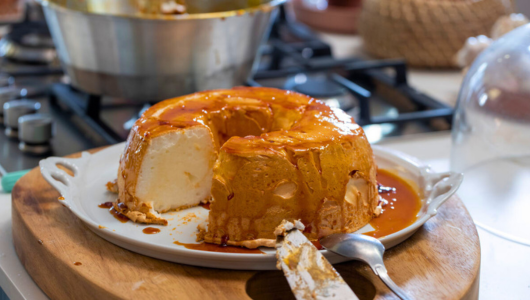
Photo by 24Kitchen
Animal fat also makes it into traditional Portuguese desserts. Toucinho do céu is an almond and egg yolk cake that originally included pork lard, which is exactly what the name points to, as toucinho literally means pork fat. The same logic is behind pudim Abade de Priscos, a rich caramel pudding from Minho that famously combines egg yolks, sugar and bacon fat. In both cases, fat which was a by-product of the slaughter (and can nowadays be purchased in jars at the supermarket) was turned into something we now treat as a speciality.
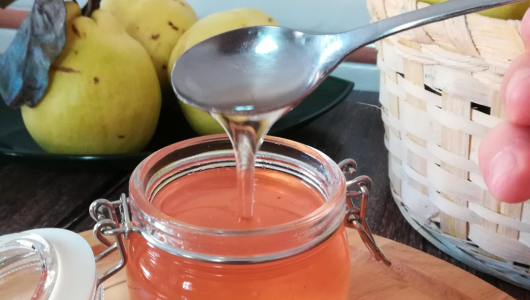
Photo by Receitas Bimby
Like in many countries, surplus from orchards translates into fruit being turned into jams and preserves to stretch over the rest of the year. But few things are as clear an example of zero-waste thinking as marmelada and geleia de marmelo. Marmelada is a firm quince paste made by cooking the fruit with sugar until it sets into a block that can be sliced and kept for months. Instead of discarding peels and cores, these go into a second pot where they are boiled, strained and cooked again with sugar to make geleia de marmelo, a clear quince jelly (pictured above). Between the paste and the jelly, every part of the fruit is used, with flavor extracted from pulp, skins and seeds.
In the end, zero-waste cooking in Portugal is about reusing leftovers, as well as about using every part of what comes into the kitchen, whether it’s vegetables or animal protein. In the process, it’s also important to extract as much flavor and nourishment out of it as possible so that, even during times where scarcity is no longer what it used to be, these naturally sustainable practices can keep on going.
Learn more about Portuguese food culture by browsing our Instagram and subscribing to the Taste of Lisboa newsletter, to receive stories such as this directly in your inbox.
Feed your curiosity on Portuguese food culture:
The women behind Lisbon’s food
The history of salt in Portugal
How the Portuguese changed the way the world eats
Real people, real food. Come with us to where the locals go.
Signup for our natively curated food & cultural experiences.
Follow us for more at Instagram, Twitter e Youtube