
Alfama or Mouraria? How to choose in the two most ancient Lisbon neighborhoods
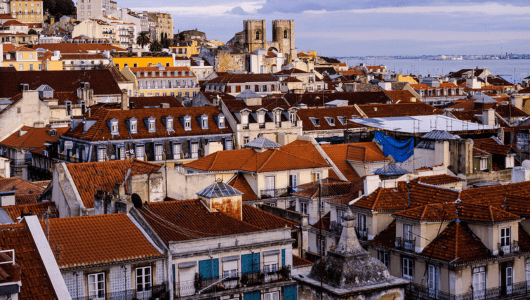
Alfama and Mouraria are two of Lisbon’s most historic neighborhoods, close enough to be explored on the same walk but different enough to offer very different food experiences.
For many visitors, both belong to the older, more intimate side of the city, where you can expect steep streets, tiled façades, small squares, old houses, establishments with live fado music and the promise of a proper Portuguese meal around the corner. Spend a little time in each, though, and the differences become clear.
Featured photo by Notes From The Road
Alfama is more closely associated with fado, river views, popular traditions and the Lisbon many travelers imagine before arriving. Mouraria is more layered, more multicultural, shaped by migration, working-class life and small commerce.
In both neighborhoods, you can still find places that serve real Lisbon food, but not always in the same way, or under the same kind of atmosphere. This guide looks at what each neighborhood can show us about Lisbon, and where food lovers can still find local and meaningful places to eat in both.
Alfama and Mouraria at a glance
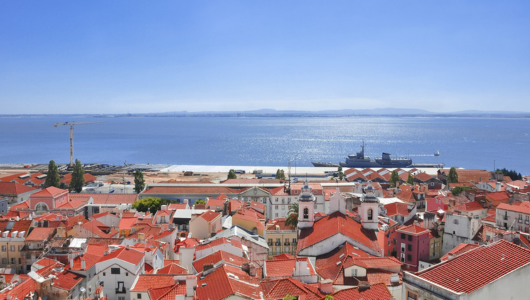
Photo by Paolo Costa Baldi via Wikimedia

Explore Alfama
– Go for: fado houses, river views, traditional taverns, grilled fish and the classic image of old Lisbon, with steep streets, tiled façades and small charming squares.
– Walk through: Largo do Chafariz de Dentro, São Miguel and Santo Estêvão, historic pockets of Alfama where narrow streets, staircases, small churches and charming corners show a more local side of the neighborhood. Continue up to the viewpoints of Santa Luzia and Portas do Sol for some of the best views over Alfama’s rooftops and the Tagus River.
– Visit: the Fado Museum for context on the music that still shapes much of Alfama’s nightlife, the Sé Cathedral, the route towards São Jorge Castle, the Monastery of São Vicente de Fora and the National Pantheon.
– Food experience: traditional Portuguese food tied to fado, popular festivities, old taverns and slow meals after walking through the neighborhood. Look for fado dinners, grilled sardines in season, grilled fish, simple tavern meals, Portuguese wine, small plates (petiscos), sour cherry liqueur (ginjinha) and traditional desserts.
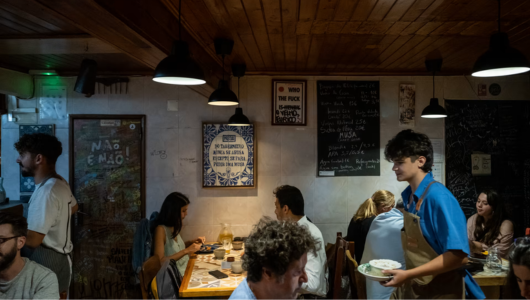
Photo by The Infatuation
Explore Mouraria
– Go for: tascas, old cafés, Portuguese lunch spots, fado history, multicultural food businesses and a more everyday side of central Lisbon, where traditional Portuguese food co-exists with newer immigrant-run restaurants and shops.
– Walk through: Largo da Severa and Rua do Capelão, linked to Maria Severa and the history of fado; São Cristóvão, with its church, tiled façades and steep passages; Largo das Olarias and the streets around Martim Moniz, where old houses, small restaurants, workshops and immigrant-run businesses are close together.
– Visit: the Church of São Cristóvão, the area around Largo da Severa for fado history, and Martim Moniz for a more urban and multicultural view of the neighborhood. Mouraria is less about one major monument and more about walking through streets where different layers of Lisbon overlap.
– Food experience: traditional Portuguese food in a practical setting, often connected to lunch menus, counters, regular customers and generous portions. Look for grilled meats, old-school tasca meals, simple Portuguese lunches, newer tavern cooking, community food projects and an alternative to fado dinners outside Alfama.
Mouraria: tascas and multicultural Lisbon
Mouraria sits close to the castle hill, Martim Moniz and the streets that lead towards Alfama, but it has its own flair. Its name goes back to the period after the Christian conquest of Lisbon in the 12th century, when part of the city’s Muslim population settled in this area.
Over time, the neighborhood became associated with working-class life, small commerce, popular culture, migration and communities that helped keep the city moving.
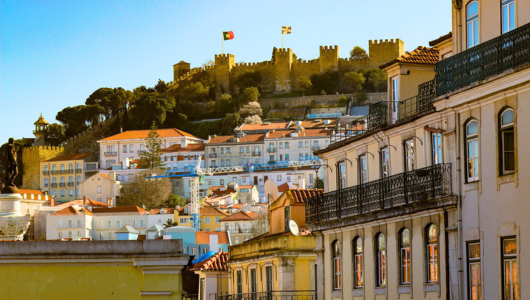
Photo by EnVols
Mouraria is worth exploring on foot because many of its most interesting details are not concentrated around one monument. Largo da Severa and Rua do Capelão connect the neighborhood with fado history and the figure of Maria Severa, often remembered as one of the first mythical voices of the genre. Around São Cristóvão, the church, tiled façades and steep passages show an older Lisbon with a more enclosed, urban atmosphere. Lower down, Martim Moniz gives the area a more urban and multicultural edge, while Largo das Olarias and the streets around it bring together old houses, small restaurants, immigrant businesses, and newer projects.
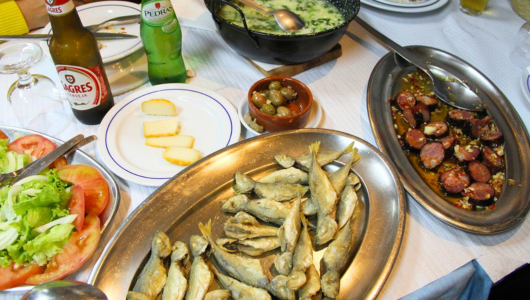
Photo by Na Panela do Lombardo
Mouraria’s Portuguese food culture is closely tied to lunch habits, cafés, counters and tascas serving people who pass through the area for work, shopping, errands or a quick meal. This is where affordable dishes of the day (pratos do dia), grilled food, soup, sandwiches, house wine and simple desserts still matter more than a long printed menu or a carefully decorated dining room.
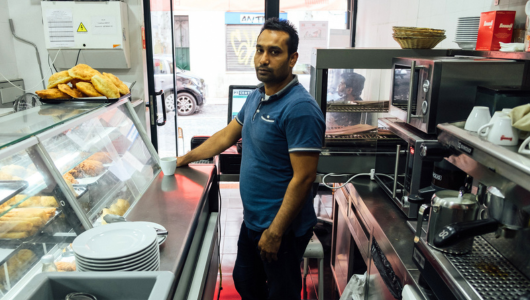
Photo by Public Books
The neighborhood’s multicultural identity is impossible to ignore. Around Martim Moniz and the streets that climb into Mouraria, South Asian restaurants, Chinese groceries, African references, halal butchers, Nepali and Bangladeshi lunch spots and immigrant-run cafés have become part of the local food landscape. Traditional Portuguese food co-exists with these newer food cultures, making the neighborhood feel practical, mixed and very much alive.
This is also why Mouraria is such a good neighborhood for curious eaters. A single walk can take you from an old-school tasca to a Mozambican restaurant, from a fado house to a café with one of the nicest esplanadas in the area, from a neighborly bar to a newer tavern where Portuguese food is being reworked with more attitude. Mouraria doesn’t have a single food identity and that is its strength. This area is one of the best neighborhoods for food in Lisbon and that is one of the reasons why our Lisbon Roots – Food and Cultural Walk includes Mouraria as part of the experience.
Of course, Mouraria is not untouched by tourism or real estate pressure either. New restaurants, renovated buildings and changing patterns of consumption have altered parts of the area, and not every place that looks modest is automatically good. But the neighborhood still carries a strong sense of everyday use and, for those who care about Portuguese food beyond the obvious symbols, that matters.
Where to eat in Mouraria
Eating in Mouraria works best when you think beyond one big “must-try” restaurant. The neighborhood is better understood through tascas, lunch counters, old cafés, grilled food, fado history, newer tavern cooking and community projects. Some places are simple and practical, others have become destination restaurants, but together they show how Portuguese food continues to exist in a changing part of the city.
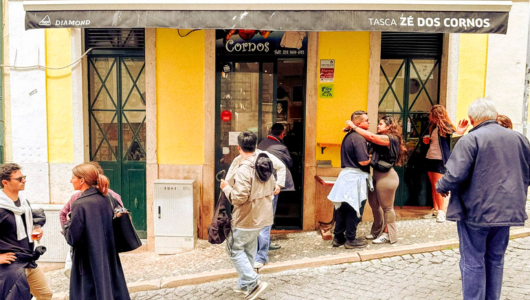
Photo by Hustle Around The World
Zé dos Cornos (Beco dos Surradores 5) is good for a typical Mouraria tasca experience, with a strong focus on the grill. It is known for ribs, grilled meats, cuttlefish, rice, beans, potatoes and carafes of wine, focusing on appetite more than delicate plating. If you are a traveler who wants to understand Portuguese tavern food, ordering one of their hearty portions will give you good context.
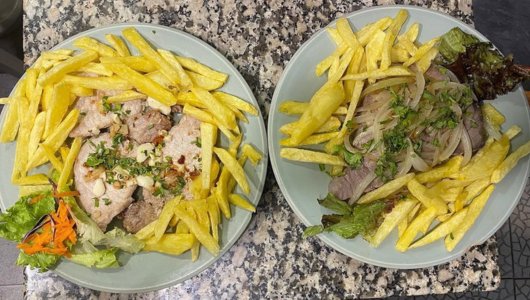
Photo by O Trigueirinho on Instagram
O Trigueirinho (Largo dos Trigueiros 17) is a great address for a traditional Portuguese meal in Mouraria, particularly if you want something simple, accessible and family-style. Fish, meat, home-style sides and traditional desserts are the kind of order that works well in this homely eatery that shows us how traditional food is alive and well in Mouraria.
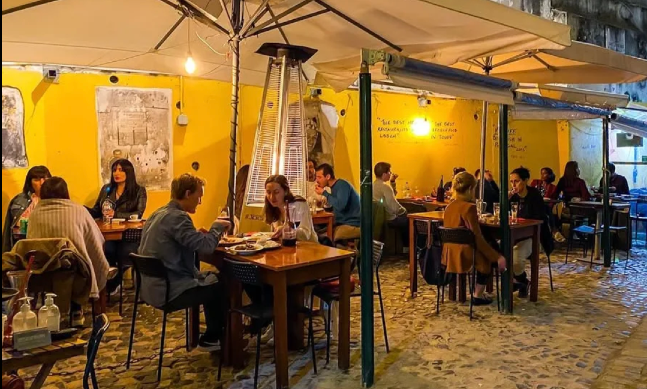
Photo by Cantinho do Aziz on Google
Cantinho do Aziz (Rua de São Lourenço 3) is a must if you want to understand Mouraria beyond the Portuguese tasca circuit. This family-run Mozambican restaurant is one of the area’s greatest references, serving dishes such as samosas, crab curry, shrimp curry, grilled chicken marinated with coconut, coconut rice and other flavors shaped by Mozambique, Goa and the Indian Ocean world. Delicious living proof that Mouraria’s food scene is not only about Portuguese food in the strictest sense, but also about the communities who made the neighborhood more layered and interesting to eat at.
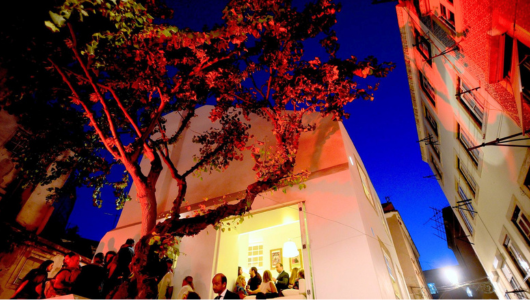
Photo by Maria da Mouraria on TripAdvisor
Mouraria also has its own fado reference, Maria da Mouraria (Largo da Severa 1), located in the neighborhood strongly associated with Maria Severa, one of the mythical figures in fado history. It offers a dinner-and-fado format with Portuguese food and live music which is a great option for travelers who want fado outside Alfama while still remaining in one of the music’s historically important areas. The menu format is usually more structured, so this is a place to book with the performance in mind rather than as a casual last-minute dinner. Portuguese starters, main dishes, wine, dessert and fado are part of the package, and the experience is more about cultural context than a quick or inexpensive meal in Mouraria.
Tasquinha Canto do Fado (Rua de São Cristóvão 33-35) is another reference to consider if you want to listen to fado in Mouraria, in a smaller and more traditional setting. While Maria da Mouraria works well for a more structured evening, with dinner and performance planned as a complete experience, Tasquinha Canto do Fado offers a more intimate alternative, connected to the streets of São Cristóvão and the historic atmosphere of the neighborhood. It is a good option for those looking for fado outside the more obvious Alfama circuit, while still keeping a connection to Mouraria and its fado heritage.
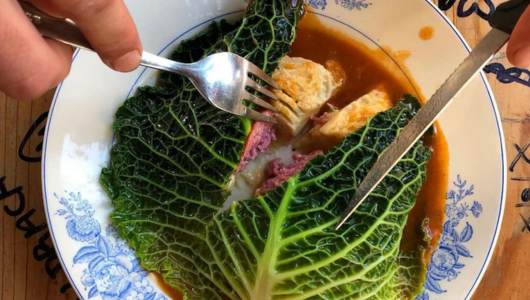
Photo by World of Mouth
O Velho Eurico (LG de São Cristóvão 3) is one of the strongest examples of a newer generation of Portuguese tavern cooking in this part of Lisbon. It has become very popular, so booking ahead or arriving early is essential. The cooking is lively and built for sharing, with Portuguese flavors treated in a younger and more playful way. Depending on the menu, look for dishes such as salt cod dishes, octopus rice (arroz de polvo), liver on toast, pork dishes, meat croquettes (croquetes) and house desserts, which always go best with Portuguese wine. The room is energetic, the food has personality, and the experience shows how the tasca spirit can keep evolving without losing its connection to Portuguese cooking.
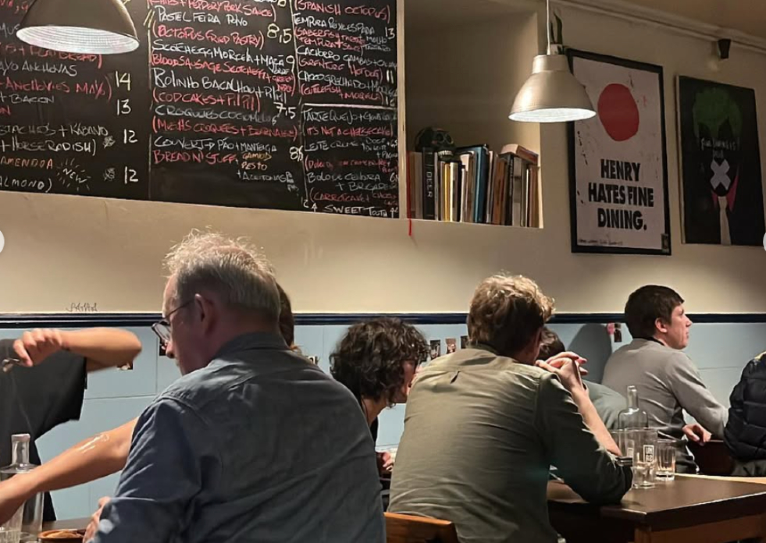
Photo by Ana Almeida
Tasca Baldracca (Rua das Farinhas 1) is another establishment that belongs to the same newer wave of Lisbon tavern cooking, but with its own louder personality. It looks casual, sometimes almost chaotic in the best possible way, but the food it serves is very thoughtful. Go to Baldracca to enjoy dishes made to share, drawing inspiration from Portuguese flavors but not limited to the usual traditional tasca format, despite the name of the business. In a neighborhood where old and new Lisbon are constantly rubbing shoulders, Baldracca fits right in.
Catedrais (Rua de São Cristóvão 23) is the kind of place that shows how a restaurant in Mouraria can serve visitors without losing its place in the daily life of the neighborhood. It works for tapas, Portuguese food, wine, cocktails or a drink after work, and the atmosphere can shift from restaurant to neighborhood meeting point as the day goes on. What makes Catedrais a good stop in Mouraria is that it feels accessible to travelers, but it’s still rooted enough to attract people who actually live, work or spend time around the area of São Cristóvão.
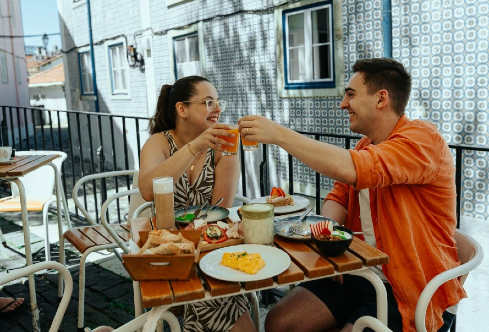
Photo by Café O Corvo on Facebook
Another good stop on the Mouraria route would be Café O Corvo (Largo dos Trigueiros 15A). This is a beautiful place for coffee, brunch with a Portuguese twist, a light meal or time on one of the most pleasant esplanadas in the area while sipping a drink. When the weather isn’t too hot, ask for a table outside, and observe the buzz of the neighborhood as you relax.
Mouraria’s multicultural context can also enter the meal without replacing the Portuguese focus. Cozinha Popular da Mouraria (Rua das Olarias 5), for example, is not just another restaurant recommendation, but a community-oriented food project rooted in the neighborhood’s social life and cultural mixture. It is worth it for travelers interested in how food and community overlap in Mouraria, but visitors should check the current program before going.
Alfama: neighborhood life, river views and fado
Alfama is one of the neighborhoods where Lisbon’s traditional image feels most concentrated, but that image did not appear out of nowhere. This area goes from the river towards the castle through narrow streets and staircases, in an area that kept growing over the centuries with little overall urban planning. Unlike the grander downtown areas rebuilt after the 1755 earthquake, Alfama kept much of its older buildings and streets, and that irregularity still shapes how people move through the neighborhood, where they pause, and how social life spills into cafés, doorways, tiny terraces and restaurant rooms.
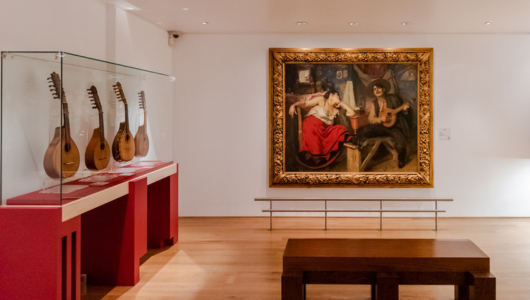
Photo by LISBOA
For visitors, Alfama is worth exploring slowly before sitting down to eat. The Museu do Fado (Largo do Chafariz de Dentro 1) helps give context to the music that still defines much of the neighborhood’s nightlife, while the streets around Largo do Chafariz de Dentro, São Miguel and Santo Estêvão show a more lived-in side of the neighborhood. Higher up, the viewpoints of Santa Luzia and Portas do Sol frame Alfama in the way many travelers first imagine Lisbon, with rooftops, church towers, the river and the city folding downhill in layers. Nearby, the Sé Cathedral (Largo da Sé 1), the São Jorge Castle route, the Monastery of São Vicente de Fora (Largo de São Vicente) and the National Pantheon (Campo de Santa Clara) all help explain why this part of Lisbon carries so much historical weight. Alfama is Lisbon’s oldest and most traditional neighborhood, and it is best discovered gradually, with frequent stops to enjoy the view and take in the atmosphere.
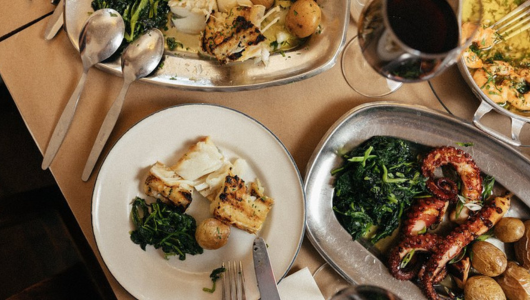
Photo by O Alpendre on TripAdvisor
Its food culture begins with geography. Alfama has always been close to the river, to the port and to the working communities who made their living around them. Fishermen, dock workers, small traders, washerwomen, artisans and families living in dense housing all contributed to the popular identity of the area. This does not mean that Alfama has a fully separate cuisine of its own, different from the rest of Lisbon, but it does help explain why the food associated with this area tends to be practical and familiar. Traditionally, we’d be talking about fish more than meat, soup at the beginning of the meal, bread on the table, and wine usually within easy reach on most meals, not just special occasions.
Fado is part of Alfama’s identity, but it should not reduce the neighborhood to a dinner show. Its connection with the music is real, and fado houses are still an important part of the local food and nightlife scene. That said, not every fado dinner offers the same experience. Some places are more focused on the music, others on the full package of dinner, wine and performance for visitors.
Photo by Lost in Lisbon
Seasonality also matters when it comes to eating in Alfama. June brings the Festas de Lisboa, when the neighborhood fills with street music, smoke and grilled food, particularly grilled sardines, plastic cups and a little festive chaos that is appealing to both residents and visitors. Besides the popular St. Anthony celebrations, the summer season is also good for lighter petiscos and cold drinks enjoyed at outdoor tables. In Autumn and Winter, the mood shifts towards soups, stews, salt cod dishes, roasted meats and meals that make more sense when the city is experiencing colder days.
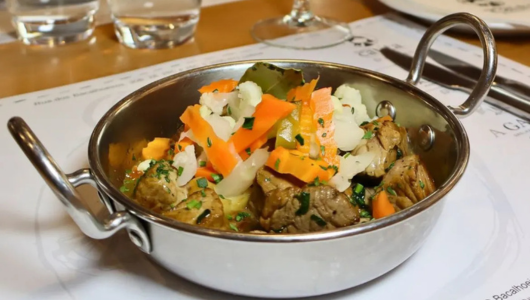
Photo by Maria Catita no Instagram
Of course, Alfama’s beauty has made it one of Lisbon’s most visited neighborhoods, and that changes the experience. Some restaurants still feel rooted in the neighborhood, while others are built around what visitors imagine Portuguese food should look like. That does not mean you should treat every visible restaurant with suspicion, as Alfama has long welcomed outsiders, and tourism is now part of its daily economy. But it does mean that food lovers should look carefully, as a real Lisbon meal here is usually less about loud promises of “typical food” and more about modest details such as a menu that knows what kind of restaurant it is, dishes that make sense for the season, staff who are not desperately dragging people through the door, and a room that feels connected to the neighborhood rather than only to its postcard version. Read more on how to spot authentic Lisbon restaurants and avoid the tourist traps.
Where to eat in Alfama
Eating in Alfama works best when you match the place to the kind of meal you actually want. A fado dinner, grilled fish outdoors, a tavern meal, Portuguese wine with a few small plates, or a quick glass of sour cherry liqueur (ginjinha) can all make sense here, as long as you do not expect them to offer the same kind of experience.
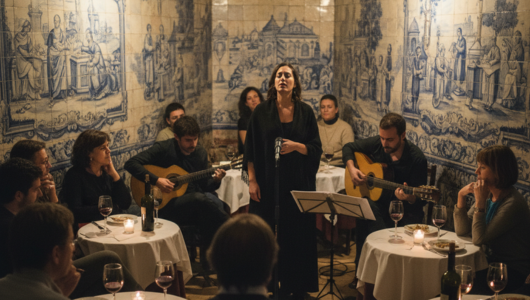
Photo by todoweekend
For fado, the meal is only one part of the night. Parreirinha de Alfama (Largo do Chafariz de Dentro), Mesa de Frades (Rua dos Remédios 139) and Clube de Fado (Rua de São João da Praça 94) are classic choices if you want a more structured evening where dinner and performance are part of the same experience. Mesa de Frades (pictured above) is especially known for its setting in an old chapel, which makes the room itself part of the appeal. At these places, it makes sense to choose familiar Portuguese dishes that can carry a long evening without needing to be the only reason you are there. Look for salt cod dishes, octopus, roasted or grilled meats, cheeses, cured sausages (enchidos) and traditional Portuguese desserts. The strongest reason to go is the combination of food, wine, fado and atmosphere, so check the format before booking, including fixed menus, minimum consumption and performance times.
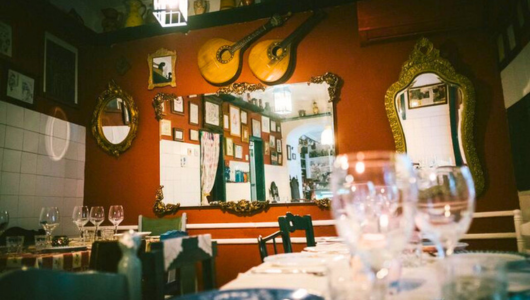
Photo by Tasca da Bela
If you want fado in a less formal setting, Tasca da Bela (Rua dos Remédios 190) and Tasca do Chico (Rua dos Remédios 83) in Alfama offer a different mood. Tasca da Bela is more home-style, with a dinner format based around Portuguese food and fado, while Tasca do Chico is better known for fado vadio, where the evening can be more spontaneous and different singers may end up performing. In these places, especially the more informal ones, food should be approached as part of the social experience rather than as a conventional restaurant dinner. Expect a more informal order, with snacks, wine, beer, cheese, cured meats, bread and whatever the house is serving that night. You go to eat, yes, but also to listen and be a part of the atmosphere in the room.
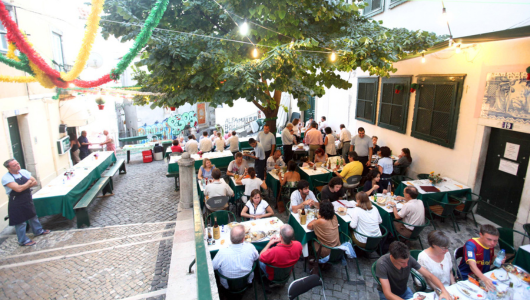
Photo by Time Out Lisboa
For grilled food, Páteo 13 (Calçadinha de Santo Estêvão 13) is one of Alfama’s better-known references, especially for visitors looking for a casual outdoor meal rather than a formal restaurant experience. The focus here is simple grilled food, usually fish or meat served with straightforward sides like boiled potatoes and salad, in a setting that feels very much part of the neighborhood. Grilled sardines are the obvious choice in season, especially around June, but it is worth paying attention to what else is available. Depending on the day or your taste, grilled sea bream, sea bass, swordfish, pork ribs, chicken or other grill options may be a better order.
For a more traditional sit-down meal near one of the neighborhood’s busiest scenic points, Farol de Santa Luzia (Largo de Santa Luzia 5) can work well. Its location near the Santa Luzia viewpoint means you are partly choosing the setting, but that does not have to be a bad thing. This is where classic Portuguese restaurant dishes make sense, including bacalhau in one of its familiar forms, grilled or roasted fish, typical Portuguese octopus dishes, meats, and traditional desserts. This restaurant can offer a good introduction to classic Portuguese cuisine, so choose something you haven’t tried yet and enjoy.
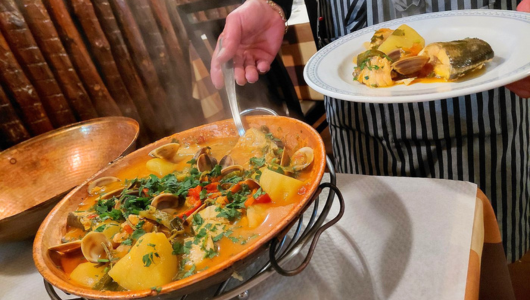
Photo by Garoby A on TripAdvisor
Lautasco (Beco do Azinhal 7), tucked into the streets of Alfama, is another option for travelers looking for a more casual Portuguese restaurant experience. It is the kind of place where fish, seafood and meat dishes tend to fit better than anything overly complicated. If available, look for grilled fish, octopus, salt cod, skewers, or seafood dishes that suit the neighborhood’s identity by the river. It can be a good reminder that Alfama’s food culture is not only about fado houses or restaurants with famous views, and some meals here are simply about finding a table in the middle of the maze and ordering something that you may crave after walking uphill during your Alfama explorations.
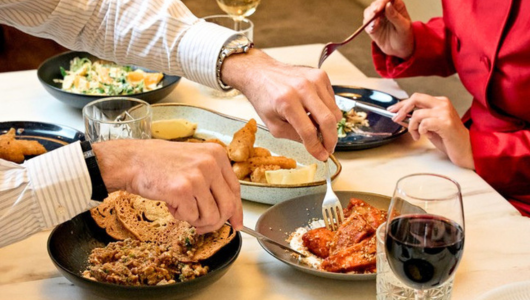
Photo by Taberna Sal Grosso on Instagram
For a tavern-style meal with a more contemporary Portuguese register, Taberna Sal Grosso (Calçada do Forte 22), closer to Santa Apolónia, is one of the best contemporary taverns in Lisbon. The menu changes regularly, so it is better to follow what the kitchen is serving that day rather than arrive with one fixed dish in mind. Expect Portuguese flavors in a more modern format, often through smaller plates, seasonal ingredients and a wine list that deserves attention.
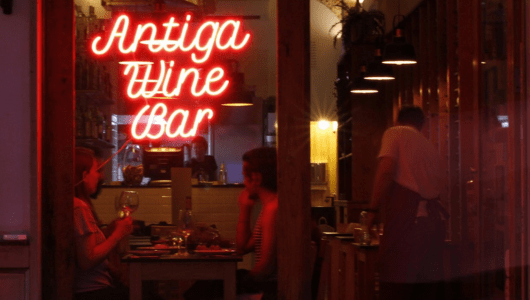
Photo by Antiga Wine Bar on TripAdvisor
Alfama is also great for wine and smaller bites, especially when you do not want a full meal. The CorkScrew Wine Bar (Rua dos Remédios 95) is a great stop for Portuguese wine, and Antiga Wine Bar (Rua de Santo António da Sé 10) near the Sé can serve a similar purpose if your route takes you closer to the cathedral. Instead of defaulting to a standard bottle, ask for recommendations from various Portuguese wine regions, and pair them with cheese, cured meats, salt cod fritters (pastéis de bacalhau), tinned fish, olives, bread, olive oil, or other small plates that they may be serving.
If you want something very casual, head to Medrosa d’Alfama (Largo de São Rafael 6) and ask for a glass of sour cherry liqueur (ginjinha). A glass of ginjinha is not a meal, but it works well as a quick pause between the Museu do Fado, Santa Apolónia and the streets climbing further into the neighborhood. Sometimes the best way to experience the area is through a sequence of smaller decisions which may include coffee, ginjinha, a snack, some typical Portuguese savory snacks, a glass of wine, then fado if the night is going that way.
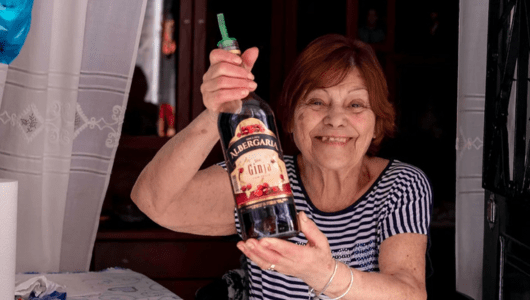
Photo by Veteq102 on Reddit
Alfama and Mouraria are close enough to explore on the same day, but each one gives food lovers a different way into Lisbon. The most interesting route is not to decide which neighborhood is more authentic, but to let each one show a different side of the city’s food culture.
To keep exploring Lisbon through its food, people and neighborhoods, join one of Taste of Lisboa’s food and cultural tours. And for more local tips, edible discoveries and Lisbon stories beyond the usual travel guide clichés, follow us on Instagram.
Feed your curiosity on Portuguese food culture:
How to choose the right food tour in Lisbon for your travel style
How to connect with local culture in Lisbon and Portugal
The history of Fado and how to experience it live in Lisbon
Portuguese foods inherited from the Moorish occupation
Real people, real food. Come with us to where the locals go.
Signup for our natively curated food & cultural experiences.
Follow us for more at Instagram, Twitter e Youtube