
Batalha travel guide for food lovers
Batalha is close enough to Lisbon to inspire a day trip there, particularly for those into history. Most travelers go there for the Monastery of Batalha, because it is a UNESCO World Heritage site built to commemorate the Portuguese victory over Castile at the Battle of Aljubarrota in 1385, and it is one of the most important monuments in Portugal. But beyond the monastery, this is a destination with very interesting medieval history, religious heritage and a regional food culture that is worth exploring as well.
Feat photo by Mosteiro do Leitão on Instagram
From Lisbon, driving is the easiest option and usually takes around 1 hour and 40 minutes. If you are relying on public transportation, the most straightforward option is usually a direct bus from Sete Rios to Batalha, operated by either Rede Expressos or Flixbus, with the trip taking about 2 hours.
For travelers already exploring central Portugal, Batalha also pairs especially well with Fátima. The two are very close by road, roughly 19 kilometers apart, which makes them easy to combine in the same day if you are driving. If you have more time and would like to stretch this trip into a weekend, then it makes sense to connect Batalha with other destinations such as Tomar, Nazaré and Alcobaça. This broader central Portugal itinerary would include incredible architecture, religious sights, natural landscapes, the coast and, of course, plenty of regional food and beverage.

Photo by Padre Paulo Ricardo
It is no coincidence that the town is called Batalha, the Portuguese word for battle. The name is directly linked to the Battle of Aljubarrota, fought on 14 August 1385, a decisive Portuguese victory that helped consolidate the country’s independence during the 1383 to 1385 crisis. The monastery that defines the town today was commissioned as a commemorative monument to that victory, and the development of Batalha as a place of memory grew from there.
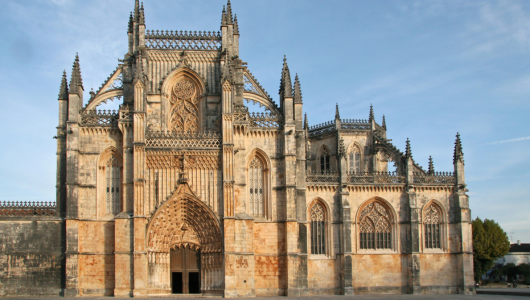
Photo by Waugsberg on Wikipedia
Because of that, there is no better place to start exploring Batalha than the Mosteiro de Santa Maria da Vitória (Largo Infante Dom Henrique), better known as the Monastery of Batalha. Even if you have seen your share of churches and cloisters around Portugal, this one still stands out. It was developed over two centuries after the battle, and it’s a strong symbol of national identity and pride. The monument is especially important for the way it helped shape a distinctly Portuguese Gothic language later influenced by Manueline art, a very Portuguese style also often referred to as Portuguese Late Gothic. Within and around the monastery, there are a few details worth noting, including the Royal Cloister, the Founder’s Chapel, and the Capelas Imperfeitas, which are unfinished chapels.
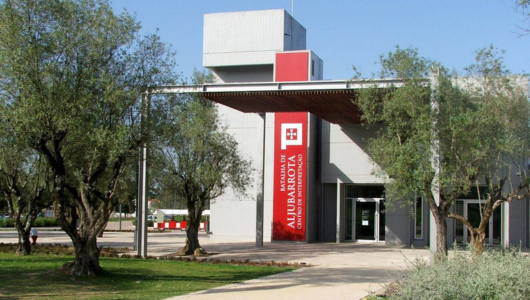
Photo by Fundação Batalha de Aljubarrota
To properly understand why the monastery exists, it is worth going beyond the monument and visiting the Centro de Interpretação da Batalha de Aljubarrota (Av. Nuno Álvares Pereira 120). This center gives some necessary historical context via interactive displays, multimedia interpretation and an outdoor route across the landscape where the conflict took place. The fact that visitors can move between the exhibition space and the actual battlefield is quite unique and makes things more engaging rather than just reading labels about what happened back in 1385.
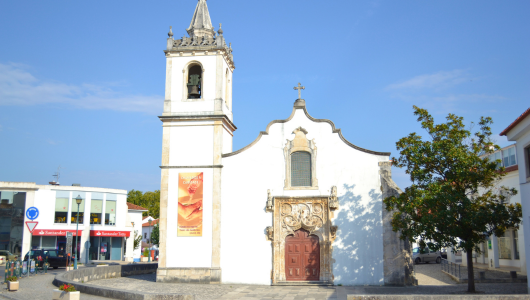
Photo by Celia Ascenso on Wikipedia
If religious monuments are your thing, you may also want to check out the Igreja Matriz da Exaltação de Santa Cruz (Estr. de Fátima 10A), which began construction in 1514 on the initiative of King Manuel I, and it’s well-known mostly because of its portal by the architect Diogo de Boitaca. Other impressive local churches include the Igreja de Nossa Senhora dos Aflitos in Golpilheira, with 15th century origins and pre-Renaissance decorative features, and the Igreja Matriz do Reguengo do Fetal.
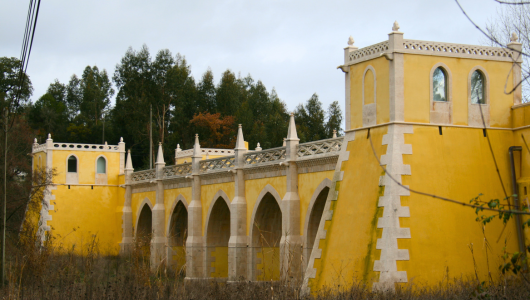
Photo by BrunoRino on Wikipedia

There is also the Ponte da Boutaca (Estr. da Boutaca 68), a 19th century neo-Gothic bridge that is very much a part of the town’s visual identity. Of course none of these places competes with the monastery, but together they make what Batalha really is.
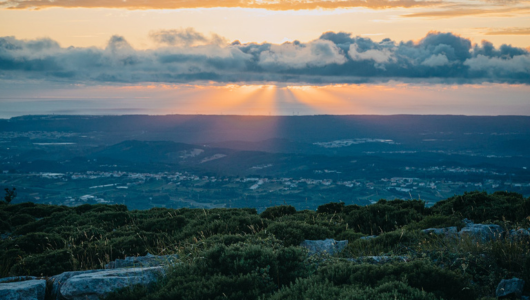
Photo by Turismo do Centro de Portugal
Nature may not be the first thing people associate with Batalha, but if you travel there and also crave some time in the great outdoors, we would recommend checking out the Estremenho Limestone Massif in the Serras de Aire e Candeeiros Natural Park. Around here you’ll encounter karst formations, caves, cliffs, sinkholes and dry valleys, some of them with marked walking trails that combine heritage and landscape.
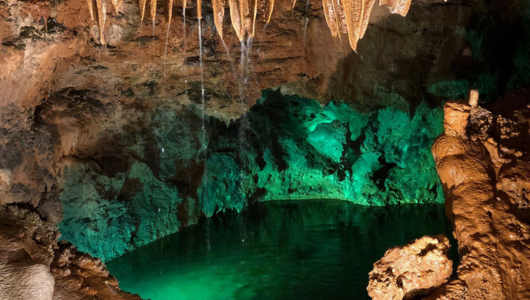
Photo by Notícias de Coimbra
If caves are what interest you most, there are several visitable ones within easy reach of Batalha, especially if you are driving. The best known are the Grutas de Mira de Aire, considered the largest tourist cave in Portugal, with regular opening hours and a dedicated interpretive component, and the Grutas da Moeda, near São Mamede, which are often combined with trips to Fátima and Batalha.
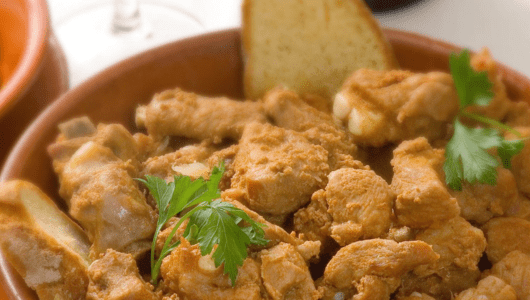
Photo by Feira de Sabores
Batalha is part of central Portugal, historically within Alta Estremadura, and its culinary identity has a lot to do with pig farming, olive oil and hearty rural traditions. Local specialties include tachadéu (pictured above), a rustic pork dish traditionally cooked in an earthenware pot and especially associated with Reguengo do Fetal, as well as several types of morcela de arroz, including a local white version made without blood, which is curious, as morcela generally refers to blood sausage.
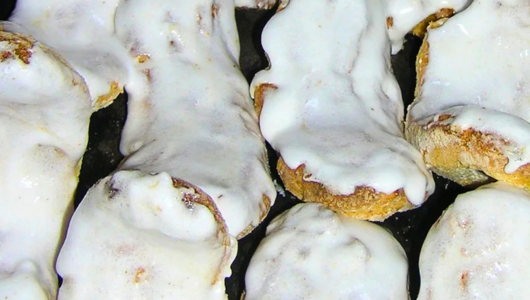
Photo by Center of Portugal
On the sweeter side, Batalha is particularly known for the cavacas do Reguengo do Fetal (as seen here), but also for festive cakes such as bolos de ferradura, bolos de perna and bolos de palma, traditional regional sweets that tend to be simple and are particularly enjoyed during seasonal religious celebrations.
The best Portuguese restaurants in Batalha
Restaurante Burro Velho
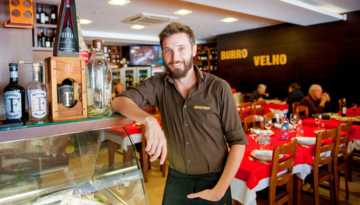
Restaurante Burro Velho is one of the most established restaurant names in Batalha, and it certainly doesn’t make for a quick tourist stop. Right by the monastery and w ith views towards it, Burro Velho focuses on Portuguese gastronomy in a fairly elegant setting. Burro Velho has been open since 2006 and is run by Bruno Monteiro. According to the house, the name “old donkey” is explained because, back in the 1950s, there was a blacksmith opposite the restaurant where people would leave their donkeys when they came into town for mass. Over the years, Burro Velho became well-known for a kitchen that combines regional specialties with a broader Portuguese repertoire. This is the sort of restaurant we would suggest for a proper lunch or dinner when you are
in the mood to sit down, order a bottle of wine, and take your time. On the menu, we would look first at the dishes that connect most clearly to the area, such as tachadéu, a rustic pork dish traditionally cooked slowly in an earthenware pot; fritada, a rustic and heavy preparation of fried pork meat and offal; morcela de arroz, a regional blood sausage bulked with rice; or cabrito de monte, roast kid goat, usually served for a more festive and substantial meal. For dessert, we would go with leite creme queimado, which is Portugal’s take on crème crûlée. This is not the cheapest meal in town, but if you are looking for something more special than a simpler regional restaurant, it is well worth the splurge.
📍Rua Nossa Sra. do Caminho 6A, 2440-121 Batalha
https://burrovelho.com
Photo by Jornal de Leiria
Restaurante trintta
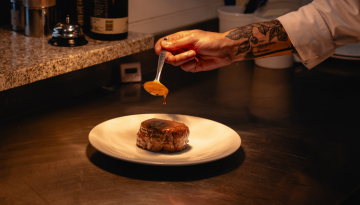 Trintta is one of the more contemporary dining options in Batalha. Even though the menu feels polished and quite ambitious, they push beyond tradition while still respecting Portuguese culinary roots. The three Ts in their name stand for tradition, technique and touch, and that translated into the use of local and seasonal products, very Portuguese flavors, and a kitchen that aims for something more refined than a standard local restaurant. Led by chef Ana Caseiro, Trintta positions itself as an elegant farm-to-table dining experience, and it’s a beautiful option for those traveling to Batalha who don’t necessarily prefer a more rustic meal. Strong options from the menu include oven-baked pork cheeks with mashed potatoes and grilled vegetables (bochechas no forno, puré de batata e legumes grelhados), the “land and sea” combination of black pork, shrimp, squid ink rice and peppers, designed for two people, or the Azorean veal. Seafood lovers might prefer their grouper rice with shrimp, coriander and lemon (arroz do mar de garoupa, camarão, coentros e limão), or the savory bread pudding with shrimp, coriander and egg yolk (açorda de camarão, coentros e gema). Vegetarians can also rejoice in excellent options including Brás made with grilled vegetables (Brás de legumes grelhados), mushroom and asparagus açorda (açorda de cogumelos e espargos), or grilled cauliflower with peas and pumpkin seeds (couve-flor grelhada, ervilhas e sementes de abóbora). The essence of Trintta is familiar in the sense that it does serve food with a strong Portuguese soul, but the presentation is modern. The ambience is calm and bright, with thoughtful design, so this would be a meal to savor and not just a place to rush through a bite to eat.
📍atual IC2, N1 Km 113.6, Jardoeira, 2440-372 Batalha
www.rest-trintta.pt
Photo by Trintta
Mosteiro do Leitão
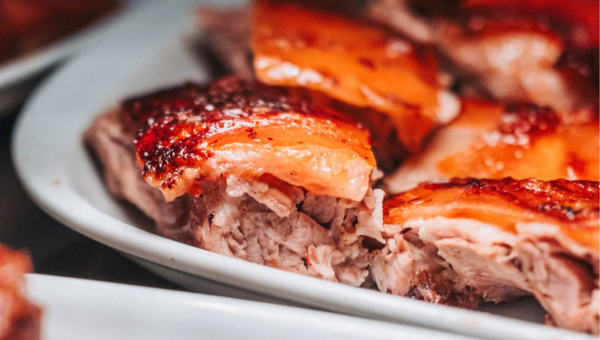
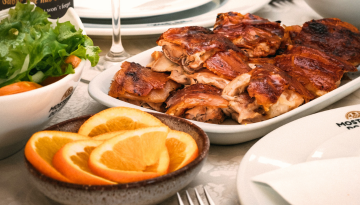 Mosteiro do Leitão is the address to recommend in Batalha when the priority is to enjoy spit-roasted suckling pig, known in Portuguese as leitão. Located on the IC2 rather than in the historic center, it is less about monastery views and more about making a deliberate stop for one of Portugal’s most beloved celebratory dishes, done in the acclaimed style of Bairrada. Here they roast the piglets in a wood-fired oven according to traditional methods. At the table, though, the thing to do is not overcomplicate matters. Even though their menu extends beyond pork, it would also be a sin to come to this “monastery” and not order the leitão assado first. If you want to build the meal around it more fully, they also serve their signature leitão à Mosteiro and even a mushroom risotto with crispy suckling pig. In Portugal, people tend to get very excited about leitão because this isn’t something we eat all that often and that the vast majority of people will never even attempt to cook at home. This is a very specific kind of dish, made from young piglets roasted slowly until the meat stays tender and juicy while the skin turns golden and crisp, crackling when you bite into it. It is the kind of food we normally associate with gatherings, weddings and family celebrations, but curiously also with roadside restaurants we travel to for the sake of a food pilgrimage. Wine matters here too, and the classic match with spit-roasted suckling pig is often sparkling wine, particularly from Bairrada, because the acidity and bubbles work beautifully with the crisp skin and richness of the meat.
📍IC2, Casal da Amieira n.º 33, 2440-477 Batalha
www.instagram.com/mosteirodoleitao
Photo by TheFork
Tasca da Tinouca
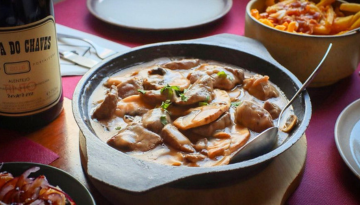 Tasca da Tinouca is where we would send you if, after a day of monasteries and monuments, you no longer feel like working through a formal meal with a starter, main and dessert. As the name tasca suggests, this is a casual place, which is great for petiscos, a cold beer or a glass of wine. Petiscos are small portions of typical Portuguese dishes meant for sharing, and you can enjoy them as a snack, as an appetizer or, when you order a decent variety, as a complete meal itself. If you are a traveler who likes eating in a more spontaneous way, ordering a few things first and then deciding whether the night is going to stay light or drift into one more round and several more plates, Tasca da Tinouca will be a great choice in Batalha. Even though it specializes in petiscos, this is not an old-school Portuguese tasca, but rather a more contemporary tavern. From the menu, standout options include razor clams (lingueirão), alheira sausage prepared Brás style (alheira à Brás), spicy garlic shrimp (camarão picante), shrimp in garlic, olive oil and coriander sauce (camarão à Bulhão Pato), veal strips in a rich Madeira wine sauce (pica-pau de novilho com molho de vinho da Madeira), as well as more generous sharing boards of regional Portuguese cheeses and cured meats (tábua de queijos e enchidos). Budget-wise, it sits in a more accessible middle ground than the restaurants above.
📍Rua Dona Filipa de Lencastre 2440, 2440-116 Batalha
www.instagram.com/tascadatinouca
Photo by Tasca da Tinouca on TripAdvisor
Vintage
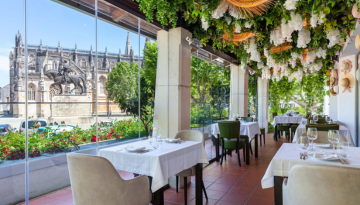 Part of Hotel Lis Batalha, Vintage has one of the best dining-room views in town, with the monastery practically built into the experience. The menu is broad enough to suit different appetites, but there are a few dishes that stand out if you are interested in exploring typical flavors from Batalha and its surrounding region. For starters, the local blood sausage with pineapple (morcela de arroz com abacaxi) offers contrasting flavors that are actually a classic of Portuguese appetizers. Their take on alheira sausage involves breading it and deep-frying it, and serving it with sautéed mushrooms with garlic and fresh coriander. On the main-course side, one of the house signatures is tornedó de bacalhau à Vintage, consisting of a thick slice of salt cod cooked in the house’s signature style, as well as oven-roasted octopus (polvo assado no forno). The menu includes enough meat, fish and vegetarian options to make it a safe choice for mixed groups, which can be useful if you are doing this road-trip with more people. The restaurant also emphasizes its wine list, organized by Portuguese wine regions, including the Azores, which makes this a good place for travelers who want to explore beyond the most obvious labels. In budget terms, it’s a middle-to-upper range restaurant, which those willing to pay for a meal with a view are very likely to enjoy.
📍Largo Mte. Afonso Domingues 6, 2440-108 Batalha
www.instagram.com/restaurantevintagebatalha
Photo by Vintage on Facebook
Taverna do Xico
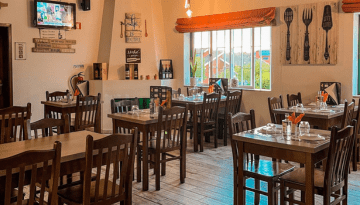 Set slightly away from Batalha’s monument-heavy city center, Taverna do Xico works particularly well if you are traveling by car. If after a day of churches, cloisters and sweet stops you are ready for a social atmosphere, know that this restaurant and bar works long evening hours and it’s a great spot for a casual Portuguese style night of food and drinks. Around here, nobody seems to be in a rush to leave, because this is the kind of place where not only do you come to eat and drink, you also come to hang out, perhaps make new friends or, at least, feel like you are in a relaxed and friendly local atmosphere. Depending on your appetite, you might want to try the bacalhau à lagareiro, the house specialty, with roasted cod dressed generously in olive oil, garlic and potatoes. Other delicious options include ovos rotos com bifinhos à Xico, an indulgent option with fries, eggs, and sliced meat. Portions tend to be quite hearty so, if you aren’t particularly hungry, certain servings may be enough for sharing. Regardless of quantity, at Taverna do Xico you will get to eat well, without breaking the bank, and mostly surrounded by locals.
📍Estrada nacional 356, 11, 2440-017 Batalha
www.instagram.com/tabernadoxico.restaurante
Photo by Taverna do Xico on Facebook
Adega dos Frades
Housed inside Hotel Villa Batalha, Adega dos Frades is another option in Batalha for a more polished dining experience. It’s calm and it feels quite removed from the bustle of day-trippers moving around the monastery. The name itself is a nod to the Monastery of Batalha, referencing the friars’ refectory in the D. João I cloister. They focus on Portuguese cuisine but executed in a more contemporary hotel-dining style. Some menu highlights include the lamb confit with greens rice, grapes and Port wine, delivering a sense of Portuguese comfort food with elegance, balancing the richness of the slow-cooked meat with the freshness of the rice and the slight sweetness of the fruit and wine reduction. The strawberry gazpacho with sardines is another surprising option as sardines are indeed an iconic Portuguese food, but they wouldn’t normally be paired with fruit. Desserts are inspired by the classic repertoire of Portuguese sweets, including sericaia, the classic Alentejo egg-based pudding with a cracked surface, here paired with plum ice cream, and leite-creme served with basil ice cream for a more modern finish.
📍Rua de Dom Duarte I 248, 2440-505 Batalha
www.hotelvillabatalha.com/restaurante-bar
Photo by Adega dos Frades on TripAdvisor
Pérola do Fétal
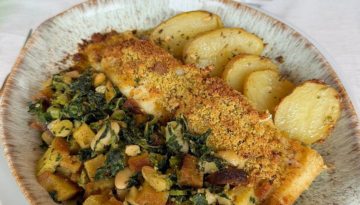 If some of the restaurants in central Batalha feel a little too tied to the monastery circuit, Pérola do Fétal offers a good excuse to head towards the outskirts and eat in a more local style. It is located in Reguengo do Fetal, on the road between Batalha and Fátima, which makes it especially convenient if you are combining both destinations in the same day. This restaurant is all about traditional Portuguese cooking, in a generous and regional style that pays homage to the cooking traditions of central Portugal, which naturally translates into great regional meat dishes. One of the combinations that stands out most is black pork loin with game alheira (lombo de porco preto com alheira de caça), which clearly showcases how this kitchen favors richer, more old-fashioned flavors. Another strong choice is mountain kid goat with giblet rice (cabrito do monte com arroz de miúdos), representing Portuguese hearty food at its best. On the fish side, there are for example sea bass fillets with mushroom risotto (filetes de robalo com risotto de cogumelos), which make for a lighter option. If you are the kind of traveler who doesn’t mind taking some time from sightseeing to enjoy a local meal, and actually doing that is essential for a memorable travel experience, Pérola do Fétal would be one of the best restaurants you could visit around Batalha.
📍Celeiro, Estr. de Fátima, 2440-208 Reguengo do Fetal
https://restauranteperoladofetal.com
Photo by Lucas Oppelt on TripAdvisor
Where to drink coffee and eat typical cakes and pastries in Batalha
Pastelaria Oliveira
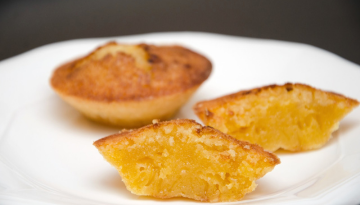 Pastelaria Oliveira is one of the names most closely associated with pudim da Batalha (pictured here), the local almond sweet that many visitors come specifically to try. Despite the name, this is not a spoonable pudding but a moist almond cake, typically made with ground almonds, eggs, sugar, and a hint of citrus and cinnamon, reminiscent of other recipes of the Portuguese repertoire of convent desserts. This family-run pastry shop, in service since 1971, has helped cement the pudding’s reputation as one of Batalha’s signature treats. Located right by the monastery, it is the kind of establishment that works well for a quick coffee stop or a more leisurely sugar fix, offering a proper pause after sightseeing. If the weather is pleasant, we would recommend grabbing a table outside, where you can enjoy a sweet treat while still marveling at the views of the monastery. Beyond the famous pudim da Batalha, Pastelaria Oliveira also stands out for its own pastry production with the usual cakes and pastries you would find at most Portuguese pastelarias. They have a counter lined with cakes and typical Portuguese savories, but it’s worth asking for more elaborate options like grilled sandwiches if you’re in the mood for something a little more filling, as in Portuguese pastry shops these options are usually also available but aren’t always advertised.
📍Praça Dom João I, Batalha 2440-108 Portugal
www.instagram.com/oliveirapastelaria
Photo by Fred Tour
A Padaria da Batalha
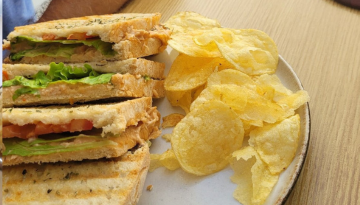 Like many establishments across Portugal, A Padaria da Batalha is a mix between a bakery, a pastelaria and casual café, where you can stop for a Portuguese style breakfast, a light lunch, or simply coffee and something sweet. Also located close to the monastery, it is a practical address with a broader offering than Pastelaria Oliveira above. Many locals come here because there are options to be enjoyed throughout the day, and it’s also one of those places where you can people-watch, especially if you get a seat outdoors, and, if you are not too shy, try to break the ice with locals and connect with the local day-to-day life [inserir link para novo artigo sobre como conectar-se a cultura local]. By going to A Padaria da Batalha and just grabbing a bite, you will be able to enjoy something tasty while also connecting to a very real side of local eating and everyday life in Batalha.
📍Rua Nossa Sra. do Caminho 26, 2440-081 Batalha
https://padariadabatalha.com
Photo by Krima on TripAdvisor
Pastelaria Arqueiro
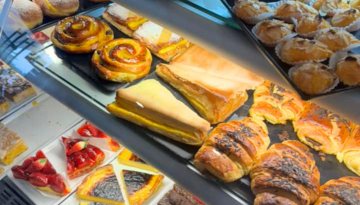 This is another great stop for anyone exploring Batalha through its sweets, with a gorgeous display counter that greets you as soon as you walk in and makes it hard to decide what to choose. Here you will find the usual pastries you are likely to come across in Portuguese pastelarias, including custard tarts, croissants, palmiers, Berliners (bolas de Berlim), as well as regional specialties such as broas, dense cookies best enjoyed with a hot beverage. If you’re in the mood for something savory, besides ready-made snacks such as pies, puffs and fritters, they also make good value-for-money grilled sandwiches with ham and cheese (tostas). If you happen to be celebrating a special occasion while traveling in Batalha, Pastelaria Arqueiro is also a good place to get a celebration cake, which you can personalize to taste when it comes to flavors and decorations.
📍Rua Comendador Joaquim Sales Simões Carreira 101, 2440-503 Batalha
www.facebook.com/pastelariarqueiro
Photo by Pastelaria Arqueiro on Facebook
If Batalha has opened your appetite for more day trips beyond Lisbon, you are in the right place, as we have many more travel guides for food lovers covering delicious destinations near the capital. Subscribe to the Taste of Lisboa newsletter to receive the next one straight into your inbox, and follow us on Instagram for even more tips.
Feed your curiosity on Portuguese food culture:
How to spot an authentic Portuguese restaurant
Portugal’s best zero-waste dishes
Fátima travel guide for food lovers
Real people, real food. Come with us to where the locals go.
Signup for our natively curated food & cultural experiences.
Follow us for more at Instagram, Twitter e Youtube