
The ultimate guide to olive oil in Portugal
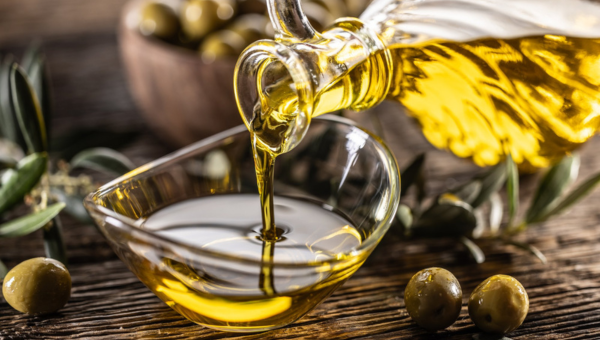
In Portugal, olive oil is perhaps the one ingredient that holds the entire country’s cooking together. It would be virtually impossible to ask a Portuguese cook to work without it. If you’ve ever wondered why Portuguese food tastes so rich despite its simplicity, the answer often lies in olive oil. Long before other parts of the world started fetishizing “extra virgin”, here we had already been using it to soak bread at the beginning of a meal, to drizzle over refreshing salads with vegetables or seafood, to gloss grilled fish, to pan fry meats, and even to enrich some desserts.
Portugal ranks among the highest consumers of olive oil in the world, with an average of 12 to 14 liters per person each year. It is also the fourth-largest producer in the European Union and the sixth worldwide, though it often flies under the radar compared to Spain, Italy, or Greece, quite simply because Portugal hasn’t historically been as good at marketing as other countries.
Within Portugal, the Alentejo leads production by a wide margin, followed by the mountainous northern region of Trás-os-Montes. Despite its lower international profile, Portuguese olive oil regularly wins top prizes in competitions such as the NYIOOC World Olive Oil Competition, where bottles from Alentejo and Trás-os-Montes consistently score among the best in the world. For travellers, that means there are world-class oils to be found here, often at prices far more accessible than elsewhere.
Feat photo by Sul Informação
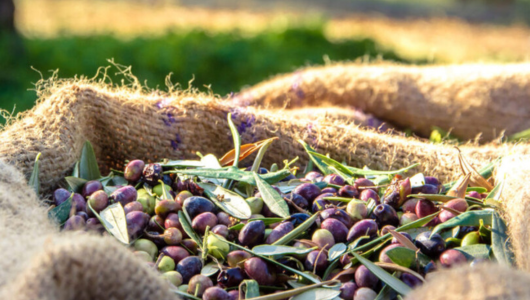 Photo by Vida Rural
We believe that understanding olive oil is key to understanding Portuguese food. During this guide, we’ll walk you through the story of olive oil in Portugal, from its ancient roots to the bottles you’ll find on shop shelves today. We’ll explore the regions and their distinct flavors, show you how to choose and taste like a local, and point out where to try olive oil in Lisbon and beyond.
A brief history of olive oil in Portugal
The story of olive oil in Portugal dates back to antiquity. Olive trees were already growing in the Iberian Peninsula before the Romans, but it was under Roman rule, beginning in the 2nd century BCE, that cultivation at large scale truly took off. Archaeological remains of presses and amphorae have been found throughout Portugal, from Conímbriga to the Alentejo plains. This is clear evidence that olive oil was both consumed locally and shipped across the empire. The Romans valued it as food, medicine, lamp fuel, and even as payment for soldiers, and their system of agriculture laid the foundation for everything that came after.
 Photo by Open Culture
When the Islamic caliphates controlled large parts of the Iberian Peninsula from the 8th century onwards, they kept shaping olive cultivation in this region. There are remains of agricultural treaties from Al-Andalus describing improved irrigation and pruning methods, some of which were adopted in the Portuguese territories. The very word azeite in Portuguese (that is, olive oil) comes from the Arabic az-zait, meaning “the juice”, clearly showing how the Moors have been very influential in the world of Portuguese cuisine.
By the Middle Ages, olive oil was a part of local life. Monasteries preserved groves and perfected pressing techniques, producing oil both for food as well as religious purposes. It was burned in lamps to light cloisters, used to preserve food, and played a role in Catholic rituals. In villages, olive oil became one of the few fats available, especially during periods of fasting when animal products were restricted. Meals based on bread, vegetables, and legumes depended on azeite to provide flavor but also the much necessary calories. Olive oil was so important that in some regions it could even be used to pay taxes in kind, showing its value also as currency.
The 15th and 16th centuries, when Portugal turned toward the Atlantic and global trade, brought little change to olive oil’s domestic role. Unlike wine or spices, it was not widely exported, but it remained central to Portuguese cooking. Travellers’ accounts from this period mention how heavily Portuguese food relied on olive oil compared to northern Europe, where butter and lard dominated.
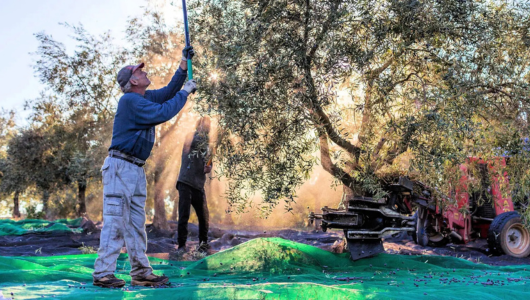 Photo by Olive Oil Times
Industrialization in the 19th century brought more modern mills, but production kept being seasonal. Traditional wooden lever presses (lagares de varas) were still in use in many villages, and some remain preserved today as heritage (see our suggested olive oil museums across Portugal below for a chance to see these). Harvest season was communal, with neighbors gathering to beat olives from the branches, mills working day and night, and families storing the year’s supply in clay jars.
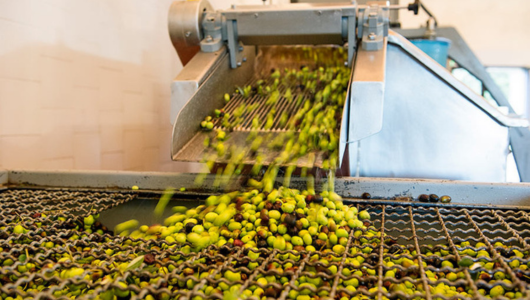 Photo by Phosphorland
In the 20th century, mechanization changed how olives were harvested and pressed, and large cooperatives began to dominate production, especially in Alentejo. Yet the cultural weight of olive oil didn’t diminish. Consumption actually rose, and by the late 20th century Portugal had one of the highest per capita intakes of olive oil in the world, a position it still holds today.
The 1990s marked another turning point with the creation of Denominação de Origem Protegida (DOP) designations, bringing recognition to regional styles like Trás-os-Montes or Beira Interior. At the same time, global demand for extra virgin olive oil started increasing, and Portuguese producers saw an opportunity. Today, Portugal is the EU’s fourth-largest producer, exporting to more than 100 countries. Still, many of the best bottles stay right here, on the tables of families, tascas, and restaurants.
Olive oil in Portuguese cuisine
To say olive oil is essential to Portuguese cooking is almost an understatement. You can taste it in the classics. Bacalhau à lagareiro (pictured here), is perhaps Portugal’s salt cod recipe which makes the most use of olive oil. Açorda alentejana, a humble soup of bread, garlic, coriander, and water, would be flat without the generous swirl of raw oil poured over it just before serving. Even cozido, the hearty boiled dinner of meats, sausages, and vegetables, which we consider to be Portugal’s national dish, is often finished with a drizzle.
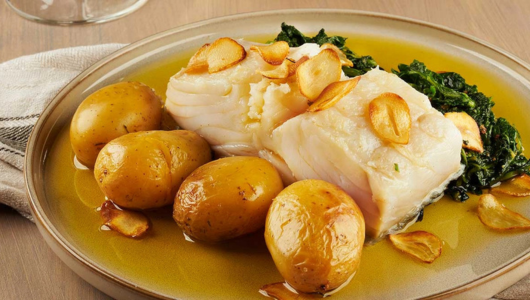 Photo by Caxamar
There are countless other examples food-loving travelers visiting Portugal should look out for: caldo verde, the simple but beloved soup of collard greens and potatoes, is only complete with a ribbon of raw oil at the end; feijoada à transmontana starts with onions and garlic softened in azeite; iconic grilled sardines are brushed with oil before hitting the grill; and rustic bean stews like feijão com couve depend on oil for their depth of flavor. Even in snacks or breakfast items, like warm bread with azeite and oregano in Alentejo, the oil takes things to the next level.
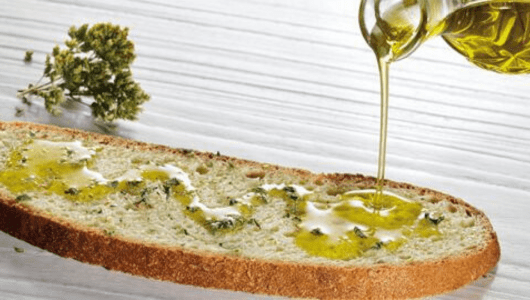 Photo by Porto Convention & Visitors Bureau on VisitPortugal
Virtually every Portuguese home has an azeiteira (see below), that is, a cruet for olive oil. And another piece of standard tableware, even at restaurants, is the galheteiro, which holds a bottle for olive oil, another for vinegar (usually wine vinegar), salt and pepper. As you’ll quickly notice while eating out in Portugal, at least in simpler establishments, it is customary for clients to season their own salad to taste and, particularly the olive oil, is used to give the personal finishing touches to a dish, for example drizzling our beloved golden liquid over otherwise fairly bland boiled potatoes or grilled fish.
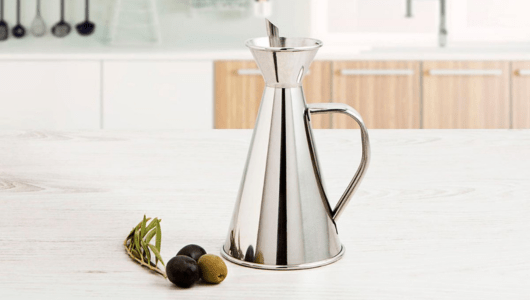 Photo by ADIberia
Olive oil also makes an appearance on the repertoire of Portugal’s sweet recipes. In Alentejo, bolo de azeite (pictured below) is a rustic cake where the oil replaces butter, lending depth and moisture. Other regional sweets, including conventual recipes that rely heavily on eggs and sugar, also include olive oil in their base, showing how indispensable it has always been. Today, some bakers continue the habit of swapping butter for azeite, not just out of tradition but because the flavor adds a subtle fruitiness that sets these desserts apart. Of course these aren’t the usual pastries you’d find at any given Portuguese pastelaria (as olive oil is more expensive than vegetable margarines more commonly used) but, in certain contexts, where traditional products are more valued, olive oil is indeed still being used for baking.
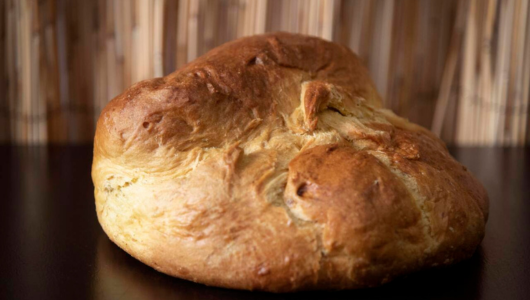 Photo by Produtos do Fundão
As the rural saying goes “Do bom azeite, não há mau paladar”, that is, with good olive oil, nothing tastes bad!
But, as much as olive oil defines the flavor of Portuguese food, it is also relevant from a health point of view. Nutrition science has long praised olive oil as a cornerstone of the Mediterranean diet, which is linked to longevity and reduced risk of heart disease. Rich in monounsaturated fats and antioxidants, it brings taste but also plenty of nourishment to everyday meals.
Portuguese olive oil beyond the kitchen
In Portugal, olive oil has never been just for cooking. For centuries it has played a role in medicine, beauty, and even spirituality, always being a part of the daily lives of rural communities.
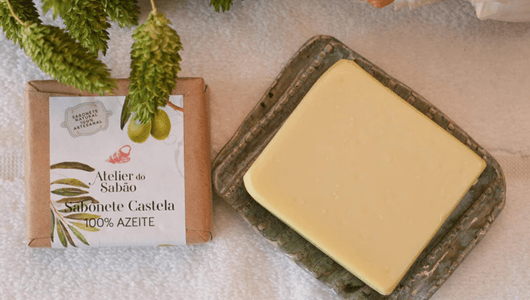 Photo by Atelier do Sabão
One of its most common uses is in skincare. Traditional olive oil soaps, sometimes blended with herbs like rosemary or lavender, have been made for generations and are still sold in markets and pharmacies today. Known as sabonete de azeite, these soaps are gentle on the skin and were once the default household cleanser before industrial products took over. Families also used plain olive oil as a moisturizer, applying it directly to dry skin or using it as a natural hair treatment. With the rise of interest in natural cosmetics, these habits have regained popularity, and Portuguese producers now package artisanal olive oil soaps and balms for both local and international markets.
Olive oil has also carried symbolic and spiritual weight. It was once burned in lamps to light homes, churches, and monasteries, and in Catholic rituals it continues to play a role as a symbol of blessing and purity. Holy oils consecrated on Maundy Thursday (Óleo dos Catecúmenos and Óleo dos Enfermos) are made with olive oil and used in sacraments like baptism and anointing of the sick. In some rural areas, small amounts of oil were even set aside to anoint tools or livestock before the agricultural season, invoking protection and prosperity.
 Photo by maisfe.org
According to folk traditions, in some villages back in the day, olive oil was sometimes believed to ward off the evil eye, with a drop of oil placed in water to detect or dispel bad luck. Though these practices are way less common today, they still show us how olive oil has been a part of Portuguese rural life for so long.
Portugal’s most important olive oil regions
 Photo by AWM Turismo Digital
Portugal may be small, but its map of olive oil production is quite vast and varied. Each region has its own olive varieties, traditions, and dishes tied to azeite. Many are recognized with Denominação de Origem Protegida (DOP) status, which protects both their methods and their flavors.
Azeite do Norte Alentejano DOP
Alentejo dominates Portuguese olive oil production, accounting for more than two thirds of the country’s output. Covering much of upper Alentejo, including Évora, Portalegre, Borba, and Estremoz, this region is known for its historic Galega olive. Oils are fruity and smooth, with just a hint of spice. Olive oil here has always been tied to survival in a land of modest diets. Bread, azeite, and a little garlic could make a meal, and that simplicity is still present in dishes like açorda alentejana or migas, where stale bread is revived with generous amounts of olive oil. Olive oil also appears in rustic sweets still baked across small towns.
Azeite do Alentejo Interior DOP
Wide plains and long hours of sun make this region ideal for cultivation, and there are both traditional groves and modern intensive plantation. Stretching across Vidigueira, Torrão, and Portel, this is another powerhouse of olive oil production in Alentejo. Here, endless plains dotted with cork oaks and olive groves dominate the horizon. Oils from Alentejo Interior are robust and full-bodied, often described as round and nutty, with just enough bitterness to keep them interesting. They pair especially well with lamb and pork dishes, which are staples of Alentejo’s cuisine, particularly in this specific area.
Azeite de Moura DOP
Centered around the towns of Moura, Serpa, and Vila Verde de Ficalho (all within Alentejo), this is perhaps Portugal’s best known olive oil internationally. The area has produced oil since Roman times, and the town of Moura even houses a dedicated Olive Oil Museum. The oils are balanced and fruity, with a soft finish that makes them perfect for both raw use and cooking. Moura has built such a reputation around its groves that it is often called the “capital of Portuguese olive oil”.
Azeite de Serpa DOP
Smaller in scale but rich in tradition, this DOP covers the Serpa and Vila Nova de São Bento area. It relies heavily on the Cordovil de Serpa variety, producing oils that are fruity, mildly bitter, and gently spicy. These oils have long been tied to local cheese and bread culture. For example, the famous queijo de Serpa is often eaten with nothing more than a drizzle of the region’s olive oil.
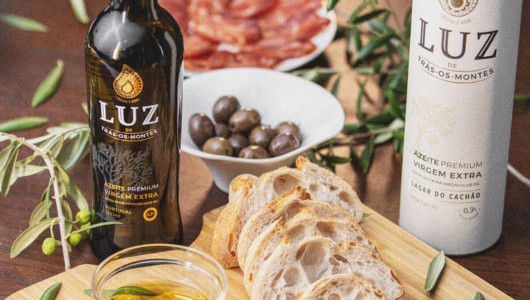 Photo by Azeite Luz
Azeite de Trás-os-Montes DOP
The mountainous northeast produces Portugal’s boldest oils, alongside vineyards and chestnut forests. The main varieties here are Verdeal Transmontana, Madural, Cobrançosa, and Cordovil, producing oils that are typically intense, herbaceous, and peppery. Native locals love them for drizzling over bean stews (such as feijoada à transmontana), roasted meats, and even seasonal chestnuts. This is one of Portugal’s oldest producing regions, with groves that include trees hundreds of years old. Towns like Mirandela and Valpaços even host annual olive oil fairs celebrating the harvest (see below).
Azeite da Beira Interior DOP
In the central highlands, olive groves grow between granite outcrops and mountain ridges. The cooler climate and higher altitudes give oils here a cleaner, more delicate profile, often described as herbal and fresh. Cordovil and Galega are the dominant varieties, producing balanced oils that are particularly prized for drizzling over salads and vegetable stews. The history of olive oil in this region is tied to farming on a small scale as well as monastic influence. Belmonte, for example, is home to the Olive Oil Interpretation Center, housed in a 19th century mill where visitors can learn about pressing techniques and taste local oils. Traditionally, families would carry baskets of olives by donkey to the village lagar, where pressing was done collectively and the oil was afterwards shared.
Azeite do Algarve DOP
The Algarve may be better known for its beaches, but olive oil has been cultivated here since antiquity. The region’s oils, made from Maçanilha and Picual olives, are softer and fruitier, with almond or apple notes. They’re especially good for finishing seafood dishes, from grilled sardines to octopus salad. In towns like Moncarapacho or Tavira, you’ll even find ancient olive trees over a thousand years old still producing fruit.
Other traditional olive oil regions across Portugal
Beyond the official DOP areas, there are other corners of Portugal where olive oil remains an important part of local food culture, even if the bottles don’t carry a certification stamp. These oils are often produced on a smaller scale, sold directly in markets, or simply consumed within the community, but they can be just as distinctive as their more famous counterparts.
Take Ribatejo, for instance. Stretching along the Tagus River, this fertile region has long relied on olive oil to flavor the simplest and most traditional foods of the plains. That includes, for example, fried eels caught from the river and cooked in generous amounts of olive oil (enguias fritas em azeite – pictured below), which are a staple in towns like Salvaterra de Magos; but also torricado, which is toasted bread brushed with garlic and azeite, that was once upon a time the classic lunch of field workers. Oils from Ribatejo are usually smooth and mild, perfect for everyday use.
Further north, the Douro Valley is renowned worldwide for wine, but olive oil has more discreetly shared the same steep terraces for centuries. Many wine estates also produce azeite, and these oils tend to be robust and structured, often served in tastings alongside Port and other local table wines.
Closer to Lisbon, olive trees also appear as part of the landscapes around Mafra, Torres Vedras, and Setúbal, producing modest volumes of oil that usually stay within the local community. Even in Portugal’s wetter northwest, where Atlantic winds limit cultivation, you’ll occasionally find olive groves in sheltered valleys of Alto Minho. Production here is tiny and mostly for family use, but it reflects the fact that olive trees, in one form or another, are almost always a part of Portugal’s agricultural landscape.
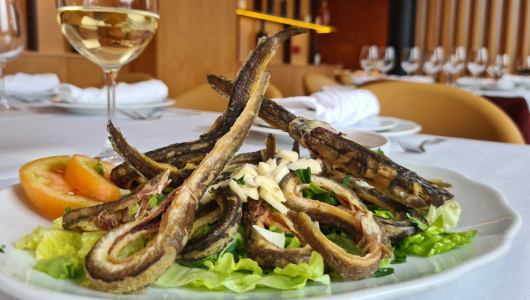 Photo by CM Aveiro
Olive oil in the Portuguese archipelagos
While the mainland dominates production, it’s also worth noting what happens in Portugal’s islands. The Azores do not have a strong olive oil tradition, as the humid Atlantic climate is less suited to olive cultivation. Instead, local agriculture has historically focused on dairy, tea, and other crops. Still, a few small experimental groves exist, and some farmers have begun testing olive trees in the drier microclimates of islands like Pico. For now, however, olive oil is imported from the mainland and used in Azorean cooking just as much as it is elsewhere in Portugal.
In Madeira, olive trees can be found scattered across the island, but large-scale production has never taken off due to steep terrain and a focus on other crops such as sugarcane, bananas, and wine. Families may keep small groves for personal use, but commercial olive oil production remains minimal. Here too, mainland oils supply the demand, as olive oil, while not exactly local, is still widely used in cooking.
Understanding different types of Portuguese olive oil
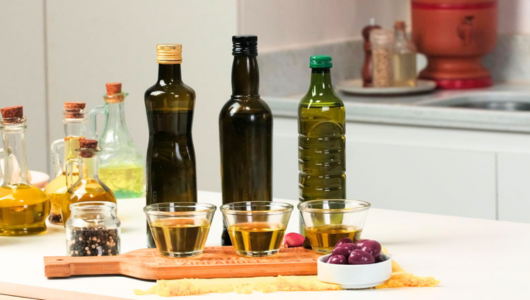 Photo by Receitas Globo
When shopping for olive oil in Portugal, the first thing you’ll notice on labels is the grade. The one to look out for is extra virgin olive oil (azeite virgem extra). This is the purest form, extracted mechanically without heat or chemicals. Below that sits azeite virgem, with slightly higher acidity and less intensity of flavor. Then there’s the more generic category simply labeled azeite, which is usually a blend of refined olive oil and a percentage of virgin or extra virgin to improve flavor. Simply azeite has a more neutral taste, making it ideal for cooking and frying, where using a premium bottle would be less noticeable, and obviously less cost effective.
Anything labeled lampante is unsuitable for direct consumption and destined for industrial refining. This was the oil which was back in the day used to light up lamps (thus the name), but you will not come across this one at supermarkets. At food stores you will either find extra virgin, virgin or blended and, even though the quality varies, they are all considered quite good anyway.
Portuguese households often keep two kinds of olive oil in their pantry, including a premium extra virgin for finishing dishes and dressing salads, and a larger, more economical bottle of blended azeite for cooking. Budget plays a role too, as a liter of blended azeite costs far less than the same amount of extra virgin, which explains why you’ll see both stocked side by side in kitchens across the country.
When selecting a Portuguese olive oil there are three flavor traits to keep in mind: fruitiness, bitterness, and spiciness. The balance between these defines the style. A grassy oil made from greener fruits from Trás-os-Montes will sting the back of your throat with a peppery kick, while a rounder Alentejo oil might taste smooth and softly nutty. Algarve oils often tend to be more fruity, with aromas reminiscent of apples or almonds, while Beira Interior is known for its herbal notes.
Harvest timing also shapes the liquid in the bottle. Early-harvest olives, picked when still green, yield less oil but more intense flavor. Being more bold, bitter, and pungent, these are perfect for finishing dishes or dipping bread. Later-harvest olives, when the fruit has ripened, give a softer oil that works beautifully in cooking, though higher in acidity.
Portuguese families live by olive oil in a way that visitors often find surprising. Containers of 5 liters are a common sight in the Portuguese pantry, bought after each harvest, often directly from smaller producers. Smaller bottles are reserved for the table, especially for drizzling raw over soups, salads, or grilled fish.
A few myths are worth clearing up. Many bottles include the phrase “cold pressed” (extraído a frio), but by law, all extra virgin olive oil is cold extracted, so it’s more marketing than distinction. Similarly, color is not a reliable indicator, as there are some excellent oils that are golden yellow rather than green. And higher price does not always guarantee higher quality. As it can happen with any other product, sometimes, it simply reflects packaging or status.
When it comes to labels, keep an eye out for the harvest year. Fresher is always better, since olive oil doesn’t improve with age and bottles older than two years may have lost much of their aroma and flavor. Acidity level is also often listed, but it can be misleading. For extra virgin and virgin oils, acidity is a natural indicator of quality, with lower numbers (below 0.8% for extra virgin, up to 2% for virgin) signaling that the olives were healthy and pressed quickly after harvest. In contrast, refined oils, those simply labeled azeite, often show low acidity (around 1% or less), not because the olives were fresher, but because the refining process chemically neutralized imperfections. These oils are perfectly fine for cooking but lack the complexity of virgin oils.
If you want to be sure you’re tasting something regional and authentic, look for the DOP stamp (Denominação de Origem Protegida). This certification guarantees the place of origin but also the use of specific olive varieties and traditional methods linked to that given area.
How to taste and choose olive oil like a born and bred Portuguese
In Portugal, tasting olive oil isn’t a ceremony reserved for experts. It’s something anyone can do, and locals grow up with the instinct to tell a good oil from a bad one. Travellers can pick up the same skill with a few simple tricks.
Start with the basics. Good extra virgin olive oil should smell fresh, not flat or greasy. Pour a little into a glass, warm it slightly with your hand, and take a sniff. Notes can range from freshly cut grass to apple, tomato leaf, or almond, depending on the region and harvest. Then take a sip and let it coat your tongue. Pay attention to three sensations, namely fruitiness at the start, bitterness in the middle, and a peppery kick at the back of your throat. That little burn that makes you cough is actually a sign of healthy antioxidants. Locals even joke about the “three coughs rule”, as the best oils should make you cough more than once.
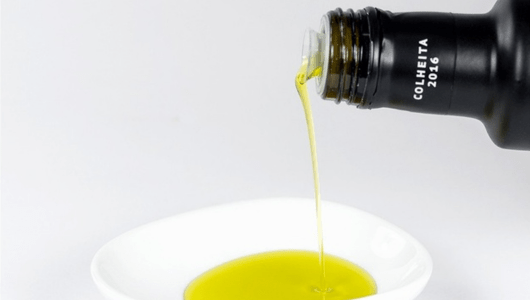 Photo by Gourmet da Vila
There are a few insider tips to keep in mind. Every spring, the Alentejo hosts Portugal’s most prestigious olive oil competition, where award-winning bottles are usually marked with gold medals, a reliable way to pick a winner on a shop shelf. In supermarkets, especially around November and December when the new harvest arrives, you may stumble upon free tastings that allow you to compare styles before buying.
To help navigate shop shelves, here’s a short glossary of terms used:
- Azeite virgem extra: extra virgin olive oil, the best quality.
- Azeite virgem: virgin olive oil, still natural but less intense.
- Acidez: acidity level, ideally below 0.8% for extra virgin.
- Lagar: olive press or mill, often traditional stone or modern steel.
- DOP: Denominação de Origem Protegida, a mark of protected origin.
Since 2014, Portuguese restaurants have been legally required to serve olive oil in sealed, labeled cruets or bottles, a rule meant to stop the old habit of refilling with cheaper oils. In practice, the rule is rarely enforced. And truth be told, if it is, it generates massive waste, as all the leftover oil on restaurant tables have to be thrown out after a single use.
Olive oil tourism in Portugal
Wine may be the star of Portuguese food tourism, but olive oil is slowly catching up. Travellers who want to understand the country’s food culture can now also explore olive groves, visit mills during harvest, walk through plantations of trees that are often several centuries old, or step into museums dedicated to the history of azeite. A typical olive oil tourism experience might include a guided walk in the grove, an explanation of harvesting and pressing methods, and a structured tasting where you learn to pick out the fruitiness, bitterness, and spiciness in each oil. Some farms even allow visitors to take part in the harvest, handpicking olives or watching the milling process live.
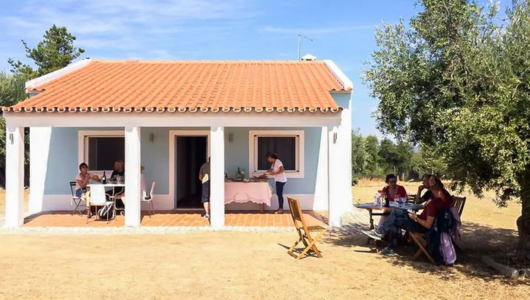 Photo by Visit Évora
Every region with a DOP olive oil has something to offer. In the Alentejo, the country’s largest producing region, modern estates sit alongside traditional groves, and tastings are often combined with wine experiences. Trás-os-Montes is the place to see more traditional small mills and rugged landscapes where some of the oldest olive trees in the country grow. In Beira Interior, groves nestle in the mountains, and the region celebrates olive oil with winter fairs and interpretation centers. Even the Algarve, better known for its coastal appeal, has estates where travellers can walk among ancient trees and try the softer, more fruity oils typical of the south.
Olive oil also has its place on the cultural calendar. Moura in the Alentejo, hosts festivals that celebrate the harvest season. In Trás-os-Montes, towns like Valpaços and Mirandela organize fairs where tastings, markets, and music highlight both olive oil and other regional products. Central Portugal has its own winter Feiras do Azeite, where small producers line village squares to sell the first oils of the season. For travellers, these events are a chance to taste, buy, and see how olive oil is such an important element of Portuguese food culture.
For those who want to partake in specific experiences, here are some places to look into:
Esporão
 Even if you’ve tasted Esporão’s wines before, visiting their estate near Reguengos de Monsaraz reveals a whole new side of Alentejo’s food culture. Alongside their vineyards, Esporão operates one of the most advanced olive oil mills in Portugal, producing some of the country’s most awarded extra virgin olive oils. The estate combines modern architecture with views of endless plains and ancient olive trees, offering visitors both scale and beauty in one stop. The Olive Oil Mill Tour is the highlight: a guided walk through the production area, where you learn about the different extraction methods and how they influence flavor, followed by a structured tasting of three of Esporão’s premium oils. Tastings are conducted by trained staff in the Wine Bar cloisters. Beyond olive oil, the estate also offers wine tours, seasonal menus at its restaurant featuring regional ingredients, and outdoor activities that connect guests directly with the surrounding landscape.
📍Herdade do Esporão, 7200-999 Reguengos de Monsaraz
https://esporao.com/en/tourism
Photo by Esporão
Barrocal
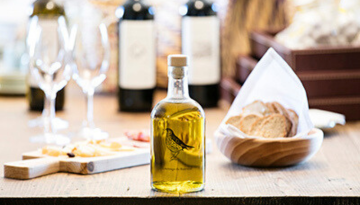 Tucked into the countryside near Monsaraz, Barrocal offers a more intimate approach to olive oil tourism. This family-run estate focuses on sustainable, non-intensive farming, cultivating groves where some trees are several centuries old. A typical visit begins with a walk among the trees, where guides explain the rhythms of cultivation and the importance of respecting biodiversity. The tour continues to the on-site olive press, where visitors see how traditional knowledge combines with modern techniques to produce extra virgin olive oil with authenticity and lots of character. Tastings are hands-on, encouraging guests to smell, sip, and compare different styles.
📍7200-177 São Lourenço do Barrocal
https://barrocal.pt/pt/all-activities/olive-oil-experience
Photo by Barrocal
Casa Féteira
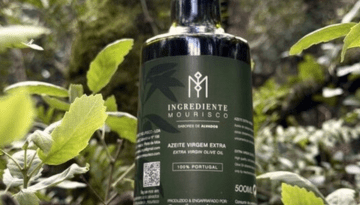 In the heart of Ribatejo, Casa Féteira offers one of the most complete olive oil tourism experiences near Lisbon. Visitors are welcomed into a traditional estate where guided tours usually include a walk among the trees, an explanation of cultivation and harvest techniques, and a visit to the estate’s mill, where you learn how olives are pressed into golden oil. During tastings you get to compare different harvests and styles. Casa Féteira also organizes seasonal experiences, like joining the olive harvest in autumn, followed by rustic meals prepared with their oils.
📍Rua da Capeleira 6, Tremoceira, 2480-113 Porto de Mós
https://casafeteira.com/en/olive-tourism
Photo by Turismo Porto de Mós
Acushla
 Located in Vila Flor, Trás-os-Montes, Acushla is a modern estate that focuses on organic olive oil. The word “Acushla” comes from Irish Gaelic and means “beat of my heart”, a reference to the founder’s personal journey with olive groves. The estate cultivates more than 300 hectares of olives, combining cutting-edge extraction technology with deep respect for the environment. Visitors can tour the groves, learn about sustainable farming practices, and see the modern mill in action. The tasting sessions reveal the intense, peppery flavors that make Trás-os-Montes oils so distinctive. Acushla has won multiple international awards, making it one of the most recognized Portuguese brands abroad.
📍Quinta do Prado, 5360-080 Lodões, Vila Flor
www.acushla.com/acushla-olive-grove
Photo by Acushla
Casa Anadia
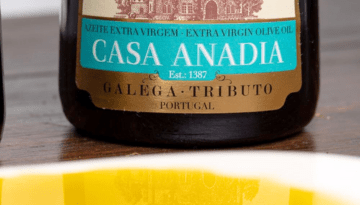 In Ferreira do Zêzere, Casa Anadia combines olive oil tourism with centuries of history. The estate, dating back to the 18th century, includes both vineyards and olive groves, making it a destination where wine and oil complement one another. The olive oil experience begins with a tour of the groves and continues in the mill, where traditional and modern techniques are explained. Tastings highlight Casa Anadia’s award-winning oils, known for their balance and freshness. The estate also emphasizes its historic setting, with the old manor house and landscaped gardens providing a glimpse of aristocratic life in central Portugal. Visitors can book tours focused exclusively on olive oil or a combined experience with olive oil and also wine.
📍Alameda do Ramal, 2200-484 Abrantes
https://casaanadia.pt/en/olive-tourism
Photo by Casa Anadia
Amor é Cego
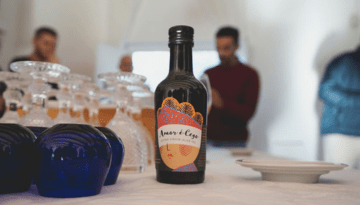 In the outskirts of Évora, Amor é Cego (“Love is Blind”) offers one of the most personal olive oil experiences in Alentejo. The estate, Monte da Oliveira Velha, is home to ancient Galega olive trees cultivated organically, with a philosophy that favors quality over quantity. In 2024, for instance, their entire production yielded just 680 liters. Visits last about 75 minutes and include a walk among the groves, stories of the Galega variety, and a tasting of their award-winning extra virgin olive oil under the shade of a thousand-year-old tree. The experience is intimate, designed for small groups, and ends with the chance to buy bottles directly from the producer.
📍Monte da Oliveira Velha, 7035 Évora
https://azeiteamorecego.pt/en/#visitas
Photo by Amor é Cego
Castelo de Marvão Olive Oil Museum & Estate
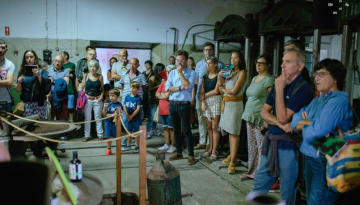 Perched in the Serra de São Mamede Natural Park, Castelo de Marvão offers a mix of history and tasting in one of Portugal’s most scenic medieval towns. The estate runs an olive oil mill museum named Lagar-Museu António Picado Nunes, where visitors first explore traditional groves planted with the native Galega variety. The guided tour explains the harvest process and then leads to the restored mill, where centuries-old techniques are brought to life. Tastings include both the estate’s oils and regional products like cheese, sausages, and bread. Two formats are available: a shorter tasting or a more complete experience that combines the grove, mill, and regional food pairings.
📍Galegos, 7330-063 Marvão
www.facebook.com/lagarantoniopicadonunes
Photo by Periferias on Facebook
Museu do Azeite, Belmonte
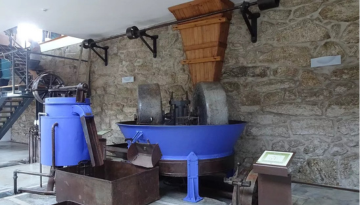 Belmonte, in the Beira Interior region, is home to one of Portugal’s most engaging olive oil museums. Housed in a restored 19th century mill, the Museu do Azeite preserves the machinery once used to crush and press olives before the advent of modern extraction methods. Heavy stone wheels, presses, and clay jars illustrate how olive oil production shaped rural life for centuries. A visit combines history with tasting. After exploring the exhibits, visitors are invited to sample oils produced by small regional farmers, gaining insight into the herbal and balanced styles typical of Beira Interior. The museum also highlights the role olive oil played in local traditions, from cooking to lighting lamps and even religious rituals. Belmonte itself is worth the trip, with a castle, medieval streets, and its history as home to one of the last Jewish communities to openly practice in Portugal.
📍Rua da Portela 4, 6250-088 Belmonte
www.cm-belmonte.pt/diretorio/museu-do-azeite/#
Photo by EMPDS
Museu da Oliveira e do Azeite, Mirandela
 In Trás-os-Montes, olive oil has long been the lifeblood of local communities, and Mirandela celebrates that heritage with the Museu da Oliveira e do Azeite. The museum is located in former milling facilities, where visitors can see a preserved hydraulic press more than a century old. Exhibits trace the history of olive cultivation in the region, from Roman-era groves to the bold, peppery oils that are still produced today. This is also a place to understand how olive oil shaped the economy of the northeast. The museum explains how small producers worked collectively at village lagares, and how oil became a symbol of prosperity and survival in a region known for its harsh winters and poor soils. Tastings introduce visitors to the famous intensity of Trás-os-Montes oils, a style that locals swear by for bean stews, roasted meats, and even drizzling over chestnuts.
📍Tv. Dom Afonso III 17, 5370-516 Mirandela
Photo by CM Mirandela
D’Origem – Museu do Azeite, Douro
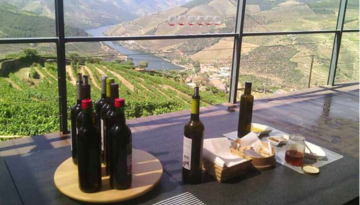 D’Origem Olive Oil Museum is located in the heart of the Douro Valley, better known for wine. Housed in a family-owned estate, the museum showcases traditional olive presses and tools. Visitors can see how wine and olive oil have coexisted in this landscape for centuries, often on the very same terraces carved into the hillsides. The highlight is the tasting, held in a room with stunning views over the Douro River. Here you can sample local oils alongside wines, appreciating the shared terroir that shapes both.
📍Rua do Cabo da Rua 4, 5085-010 Casal de Loivos
https://dorigem.pt/en/olive-oil-press
Photo by D’Origem
Monterosa Olive Oil Farm
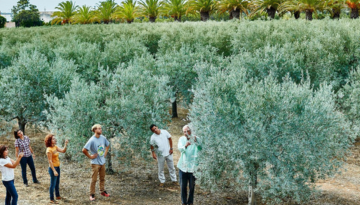 This award-winning producer in Moncarapacho, down in the Algarve region, has turned its groves and mill into a visitor-friendly destination. The tour begins among trees that are hundreds of years old, before moving to the on-site mill where olives are pressed within hours of harvesting. Tastings are a highlight, as guides walk you through different styles and explain why Algarve oils often lean toward fruity, aromas reminiscent of almonds, with less bitterness and spice than their northern cousins. Monterosa’s oils have won international competitions, making this a chance to taste a world-class product at its source. Tours are offered in Portuguese and English, and visits can be booked online.
📍EM1332 201F, 8700-068 Moncarapacho
https://monterosa-oliveoil.com/en/experiences
Photo by Monterosa on TripAdvisor
Beyond museums and farm visits, Portugal celebrates olive oil with fairs and festivals that bring entire communities together. These events usually take place in autumn and winter, coinciding with the harvest.
In Alentejo, the town of Moura hosts an annual National Olive Growing Fair (Feira Nacional de Olivicultura, aka OlivoMoura), showcasing producers from across the region, with tastings, workshops, and cultural events. Travellers visiting in late November or early December can combine the fair with tours of nearby estates. Otherwise, in May, something similar can be done in the upper Alentejo, namely in Campo Mayor, which hosts a national fair of olive culture, known locally as Feira Nacional de Olivicultura.
In Trás-os-Montes, the town of Valpaços hosts the Feira do Azeite e do Fumeiro, an event that combines the region’s robust olive oils with its even more famous smoked meats. The result is a lively celebration of northern Portuguese food culture, with markets, music, and celebratory meals. Mirandela also organizes an annual olive oil fair, often centered around its museum, highlighting the bold olive oils that define the region also known as Terra Quente.
Further south, Beira Interior towns like Fundão and Idanha-a-Nova hold their own Feiras do Azeite, namely A Pureza do Azeite and Festival do Azeite e Fumeiro, where small producers populate the village squares to sell the new season’s oils. These fairs tend to be less touristy, offering visitors the chance to talk directly with farmers and taste oils made in tiny batches. Even Lisbon occasionally hosts olive oil focused events in gourmet markets or cultural centers, though for the most authentic experience, heading to the producing regions during harvest season is best.
In Évora, travellers can even literally sleep inside “the world of olive oil”. The Évora Olive Hotel (Rua de Eborim 18) combines modern hospitality with a theme dedicated to one of the region’s most important products. Beyond its sleek architecture and central location, the hotel offers an experience called From Olive Trees to Olive Oil, which takes guests through the basics of cultivation and pressing, followed by tastings of premium oils. Even the spa incorporates olive oil-based treatments.
Where to buy olive oil in Lisbon – and tips on how to travel with it
Supermarkets are the easiest place to start. Chains like Pingo Doce, Continente, and Auchan carry a wide selection of oils, from everyday cooking options to premium DOP bottles. Prices are usually lower than what you’d pay abroad, and sometimes supermarket brands themselves win awards in national competitions. For travellers short on time, picking up a bottle at one of these chains is a safe bet, and it also gives you a sense of what locals actually buy.
Specialty shops, on the other hand, are where you find carefully curated selections, small producers, and elegant packaging designed for gifting. These are also the best places to taste before you buy, with staff usually available to explain the differences between the oils from the several regions. Lisbon has several addresses worth checking out for this:
D’Olival
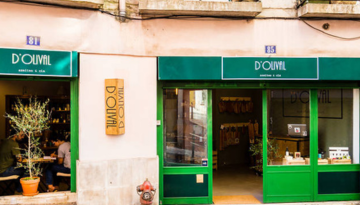 D’Olival is a boutique entirely devoted to olive oil and its by-products. The shelves showcase oils from across Portugal, along with tapenades, infused oils, and even olive oil cosmetics. Staff lead tastings so visitors can compare different regions and learn how to spot fruitiness, bitterness, and spice. It’s small, local, and perfect for travellers who want a crash course without leaving Lisbon’s center.
📍Rua Poiais de São Bento 81, 1200-347 Lisbon
Photo by Time Out Lisboa
Manuel Tavares
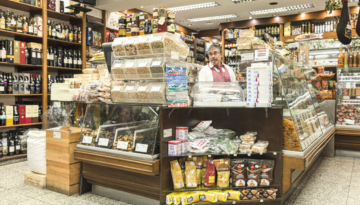 Operating since 1860, Manuel Tavares is a true Lisbon institution. This gourmet grocery, near Rossio, stocks everything from cured meats and wines to sweets and preserves. Its olive oil selection is impressive, with both heritage labels and newer artisanal producers. Shopping here feels like stepping back into old Lisbon, with wooden shelves, attentive service, and a sense of tradition. It’s an ideal spot to pick up oils alongside other gourmet gifts.
📍Rua da Betesga 1AB, 1100-090 Lisbon
https://manueltavares.com/pt/produtos/mercearia/azeites-e-vinagres/azeite
Photo by Lojas Com História
Manteigaria Silva
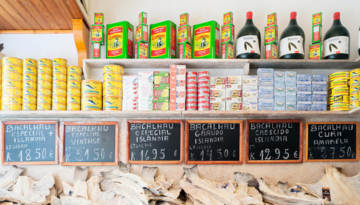 A Lisbon classic since 1890, Manteigaria Silva started as a dairy shop but has become a temple to Portuguese groceries. Located near Rossio, this old-fashioned grocery has cured meats hanging from the ceiling, wheels of cheese stacked high, shelves of canned fish, a selection of salt cod you’ll smell from a distance, and a dedicated selection of olive oils. The staff are knowledgeable and will guide you toward oils that pair well with other Portuguese staples, whether you’re picking up a chunk of queijo da ilha or a tin of sardines. The atmosphere alone, with its vintage tiles and aroma of smoked ham, is worth the visit, but it’s also one of the best places to buy olive oil alongside other gourmet souvenirs.
📍Rua D. Antão de Almada 1 C e D, 1100-197 Lisbon
https://loja.manteigariasilva.pt/41-azeites
Photo by Lojas Com História
LOA – The Olive World
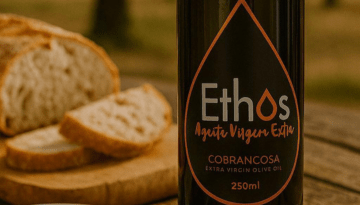 For those who prefer shopping from home, LOA is one of Portugal’s best online stores dedicated entirely to olive oil. LOA brings together oils from all major producing regions, including DOP-certified labels and organic varieties. The site also sells tasting packs, condiments, and olive oil cosmetics, making it a one-stop shop for anyone who wants to explore Portuguese olive oil beyond what they can carry in a suitcase. Shipping is available internationally, with clear packaging designed for safe transport.
Photo by LOA on Facebook
Lisbon’s outdoor food fairs and municipal markets are another excellent place to taste and buy. Mercado da Ribeira (Avenida 24 de Julho), better known today as the location of Time Out Market, often hosts small producers who set up stalls with oils, honeys, and wines. Mercado de Campo de Ourique (Rua Coelho da Rocha 104) offers a more local atmosphere, with permanent vendors who carry regional oils alongside charcuterie and cheeses. Both markets make for a lively setting to shop and eat.
Finally, for travellers looking for convenience and variety, the Clube del Gourmet at El Corte Inglés is a great option too. The department store’s food hall has an extensive olive oil shelf, with dozens of labels organized by region and style. Prices are higher than in regular supermarkets, but the range is unmatched, and many bottles come in travel friendly packaging that makes them easier to take home.
Overall, prices of olive oil are usually quite friendly in Portugal, even though they have been increasing considerably in recent years, at least for the local pocket. A premium half liter bottle from a specialty shop usually costs between €10 and €20 and, at supermarkets, excellent oils can be found for under €8. Considering the markups these same bottles would face abroad, it’s worth stocking up, even if just with a few everyday oils. Don’t overthink it, as a supermarket bottle of freshly harvested Alentejo oil will often outshine what’s sold as gourmet back home, always of course, depending on the country you’re based in.
Once you’ve made your choice, whether you are buying for yourself or for gifting, the next step is figuring out how to take it home. Packaging matters when you’re travelling, so you may want to look for small tins or bottles of 500ml, which are usually more widely available at specialty stores rather than regular supermarkets. Tins have the advantage of being lighter and less fragile, but it’s true that glass bottles may be a little more elegant if you’re giving them as a gift. Many Portuguese producers also sell oils in decorative ceramic bottles or designer tins, which make beautiful presents. Shops like A Vida Portuguesa in Lisbon specialize in these options with better designs, while supermarkets and markets usually stick to more practical containers.
When it comes to luggage, olive oil must always go in checked bags, as airlines won’t allow it in carry-on. Wrap glass bottles in clothes, double-bag them in plastic, and place them in the center of your suitcase for safety. Tins are more resilient but still benefit from some padding. Within the EU, there are no customs restrictions on quantity for personal use, but if you’re flying outside the EU, it’s wise to check duty-free allowances. Most countries allow at least one liter per passenger, though many travellers bring home more without issue.
A final option for those who run out of time is airport duty-free. Lisbon, Porto, and Faro airports all carry selections of Portuguese olive oils, often in suitable packaging for traveling and even gifting. Naturally, prices are higher in these contexts than in supermarkets, but the advantage is convenience.
Olive oil is part of everyday life in Portugal, and travelers who take the time to taste it in different regions, or simply select a decent variety in Lisbon itself, will hopefully get a clearer picture of the country’s food culture. For more insider tips on Portuguese food, follow Taste of Lisboa on Instagram.
Feed your curiosity on Portuguese food culture:
What Portuguese people usually have in their pantry
Évora travel guide for food lovers
A brief guide on how to order fish in Portugal
The history of Fado and how to experience it live in Lisbon
Real people, real food. Come with us to where the locals go.
Signup for our natively curated food & cultural experiences.
Follow us for more at Instagram, Twitter e Youtube