
Óbidos travel guide for food lovers
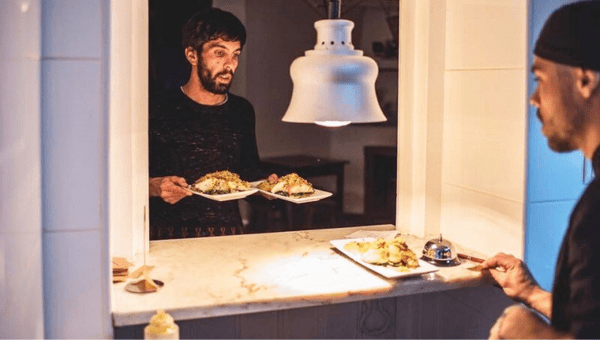
Óbidos is one of those names that inevitably shows up on suggestions of the best day trips from Lisbon, and lists highlighting “most beautiful Portuguese villages”. Even though it has become quite touristy as travelers’ influx to the Portuguese capital has increased in recent years, Óbidos’ hype is still justified.
This fortified medieval town, perched on a hilltop just an hour north of Lisbon, looks like it’s been taken from the pages of a history book. The cobblestone lanes lead towards the castle, passing by stone walled houses decorated with colorful flowers and a mix of medieval and baroque architecture. Once on the higher part of town, you can enjoy panoramic views of vineyards and orchards. Many travelers visit Óbidos in search of these picture perfect scenes but, once you dig deeper, there’s more to discover here, including incredible food and drinks.
Feat photo by Região de Leiria
 Photo by Pedro Ribeiro Simões on Wikimedia

Reaching Óbidos from Lisbon is quite easy, and that’s why it is a classic day trip. By car, it’s about an hour’s drive along the A8 motorway. This is the fastest and most efficient way but, if you’re not in a rush, we’d recommend taking the slower coastal road through Ericeira and Peniche, to enjoy the sea views and, who knows, enjoy some fresh fish on the way. Parking near Óbidos can be tricky during festivals or summer weekends, though, but if you arrive early or later in the afternoon, you’ll usually find space outside the walls.
Public transport is less scenic but perfectly doable. There are direct buses departing from Lisbon’s Campo Grande terminal (operated by Rodoviária do Oeste), that will drop you right by the main gate of Óbidos in about 1 hour and 10 minutes – timings and prices here. This is the easiest option if you don’t drive, though you can expect crowds at peak hours, at least during high season. The train is technically possible using the Linha do Oeste line, departing from Lisbon’s Santa Apolónia or Sete Rios stations, but it’s a slow trip (closer to 2 hours) and the station is located about a 20 minute walk from the old town, so we would definitely recommend taking a bus instead.
Once you’re there, please do not rush. Too many people treat Óbidos as a quick stop for a ginjinha and a few pictures with the castle in the backdrop. But there are sides to this town which tend to only reveal themselves when you wander after most day-trippers have left. This is when the town feels less like a “stage” and the true essence of the local community starts shining through. Even though there are less than 3000 people who live within the town’s boundaries, Óbidos is well known for its cultural life. Throughout the year, they host festivals that keep the streets alive, such as the International Chocolate Festival that every spring (March/April) draws pastry chefs from across Europe to create giant chocolate sculptures and tastings around the castle grounds. Óbidos’ Christmas market (known locally as Óbidos Vila Natal) transforms the town into a winter village with skating rinks, games, and seasonal treats. There’s also the Óbidos Literary Village project, which turned abandoned spaces into bookshops, art venues, and cafés; and the popular Medieval Fair that converts the town into a stage set, complete with knights, jugglers, and food stalls selling roasted meats, soups in bread bowls, and festive jugs of wine. So, even if you’ve visited before and have seen all the usual sites, there’s always a good excuse to come back to Óbidos.
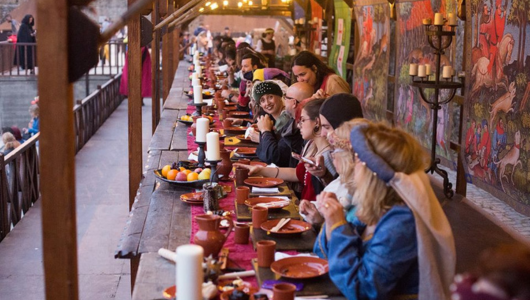 Photo by Turismo Óbidos
Most visitors start visiting Óbidos by walking through Porta da Vila (Rua Josefa de Óbidos 2), the ornate south gate decorated with 18th century blue and white tiles, and this is honestly a good way to get things started, even if a little touristy at times. From here, you get to the main street, Rua Direita, which runs straight uphill through the old town, being lined with souvenir shops, taverns, and bakeries. Chances are you’ll stop here and there for a sip of the locally traditional sour cherry liqueur or a sweet bite.
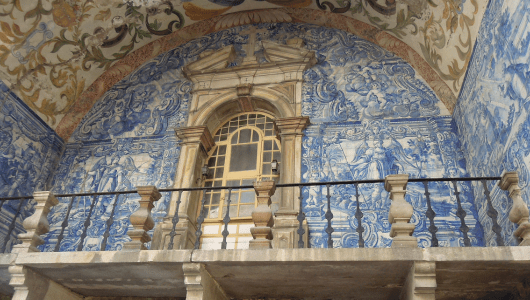 Photo by Güldem Üstün on Wikimedia

Halfway up Rua Direita you’ll reach the Igreja de Santa Maria (Praça de Santa Maria), the main parish church, which occupies the old central square. This was where King Afonso V married his cousin Isabel in 1441, when he was just 10 years old. Inside, the church mixes Gothic, Renaissance, and Baroque elements, with painted tiles and a ceiling fresco worth pausing for. Next door, the Museu Municipal (Rua Direita 97) exhibits paintings by Josefa de Óbidos, one of Portugal’s most important 17th century female artists, who lived and worked here. Entry to the museum is inexpensive and tickets can be bought on the spot.
Continue upwards and you’ll reach the Castelo de Óbidos (Rua Josefa de Óbidos), the medieval fortress that dominates the town. While the castle itself has been converted into a pousada (a historic hotel run by the state, meaning the interior is not generally open for visits), the surrounding walls are free to climb. Walking the full circuit takes around 45 minutes, with sections that rise high above the rooftops and offer stunning views of the surrounding vineyards and the nearby lagoon. For this, we recommend wearing sturdy shoes and, if you’re traveling with small children, you may want to skip stepping up this high.
 Photo by Nabil Murshed on Wikimedia

For a quieter detour, we’d suggest walking around the side streets off Rua Direita. These cobbled alleys are beautifully lined with whitewashed houses framed in yellow or blue trim and this is honestly where you are most likely to click a photo of yourself in Óbidos without other tourists also being featured.
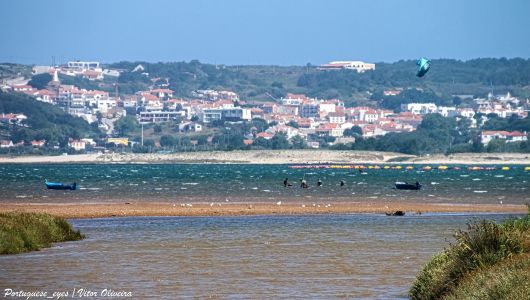 Photo by Vitor Oliveira on Wikimedia

Outside the walls, the landscape also deserves a look. A short drive or bike ride takes you to the Óbidos Lagoon (Lagoa de Óbidos), one of Portugal’s largest coastal lagoons, where locals dig for clams and birdwatchers come for migratory species. Kayak rentals are available in the village of Foz do Arelho, at the lagoon’s mouth, where you can for example combine a paddle with a seafood lunch overlooking the Atlantic.
The local food culture is linked to the fertile agricultural areas surrounding Óbidos. This part of the Oeste region is home to many orchards and vineyards, responsible for what ends up on the table around here. The local pear Pêra Rocha do Oeste, which is grown here and exported worldwide, is one of Portugal’s most popular fruits. Down by the Lagoa de Óbidos, fishermen still bring in clams, eels, and a mix of coastal fish that inspire classic dishes like fish stew (caldeirada de peixe), eel stew (ensopado de enguias), and the simpler fried eels (enguias fritas). On the sweet side, the most typical desserts, as it usually happens in most historical parts of Portugal, are conventual sweets, in this case mostly having originated in the Convento de São Miguel das Gaeiras. We’re talking about egg yolk and sugar rich recipes such as trouxas de ovos and lampreia de ovos.
 Photo by Petrarum Domus
When it comes to drinks, the most famous specialty is ginjinha de Óbidos, a sour cherry liqueur traditionally served in small shot glasses but, in recent years, to be even more captivating to tourists, it also started being poured inside edible chocolate cups. But the region also produces other high quality wines, thanks to its microclimate that balances sun exposure and the Atlantic breeze, giving both reds and whites lots of personality. For a place that sometimes looks like a museum, Óbidos has its own food and wine identity, and it’s one of the reasons travelers with an appetite should plan more than just a quick visit.
The best restaurants in Óbidos to eat Portuguese food
Ja!mon Ja!mon
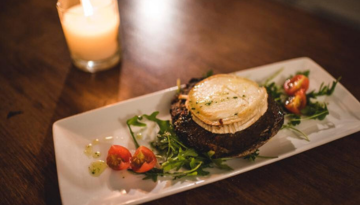 This is Óbidos’s most well known restaurant for petiscos (Portuguese small plates) with a twist. As the dishes are mostly sharable, this makes it a perfect venue to visit with friends and to try several things. Highlights from their menu include pork cheeks braised in red wine, stuffed mushrooms (pictured here), grilled octopus and duck rice (arroz de pato). Seafood is also present but it clearly doesn’t dominate the menu, and so are some vegetarian options, such as seasonal salads. Ja!mon Ja!mon is well-located just inside the walled town, near Porta da Vila, which means it’s very convenient after a day of walking. Prices are a little higher than in most casual taverns, but you get what you pay for, as the ingredients and even plating here are better than in most typical Portuguese tascas. We suggest booking in advance as this is a popular spot, specially during weekend evenings.
📍Rua da Biquinha, Largo do Chafariz Novo, 2510-046 Óbidos
Photo by Região de Leiria
A Nova Casa de Ramiro
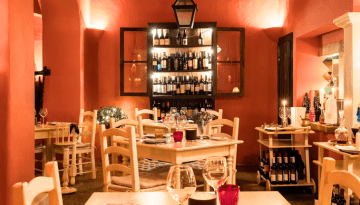 This restaurant has for long been a reference point for anyone wanting to taste Portuguese classics in Óbidos with a little touch of finesse. Housed inside the walls in a building of thick stone and wood beams, A Nova Casa Ramiro offers an elegant setting with a touch of rusticity, where you can linger over a long dinner, sampling traditional recipes from our country. We’re talking about dishes like roasted salt cod with olive oil (bacalhau à lagareiro), seafood rice (arroz de marisco), and more. The portions are generous and we love that they mostly focus on local products, including cheeses and sausages that are perfect to start your meal as you sip some wine from the surrounding Oeste vineyards. You wouldn’t come here for a quick cheap meal, but if you’d like to treat yourself while in Óbidos, you’ll certainly be happy at A Nova Casa de Ramiro.
📍Rua Porta do Vale 12, 2510-053 Óbidos
Photo by A Nova Casa de Ramiro
Tasca10
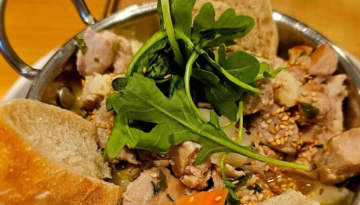 Tasca10 is one of the liveliest places to eat inside the walls of Óbidos. As the name clearly anticipates, this is a tasca, a Portuguese eatery that’s casual, sociable, and centered on small plates made for sharing. The décor is rustic and the atmosphere can get noisy in the best way, as groups gather over pitchers of wine and tables filled with food. The menu is a parade of petiscos, the Portuguese answer to tapas, with enticing options like marinated beef cubes sautéed in garlic and mustard sauce (pica-pau), and plates of fried cuttlefish (choco frito) or octopus. Chouriço assado, a sausage grilled over flames which is brought to the table still sizzling, is another favorite, and there’s often a daily special that draws on whatever is fresh from the market. Portions are generous for the price, making it a popular stop for those who want to taste a wide range of flavors without necessarily committing to just one heavier main dish.
📍Rua Josefa de Óbidos 10, 2510-001 Óbidos
Photo by Tasca10
Vila Infanta
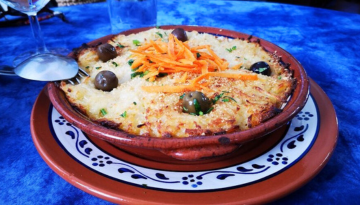 Vila Infanta sits right on Rua Direita, the main artery of Óbidos, and has the kind of discreet façade that you might pass by if you didn’t know what was inside. Step through the door, though, and you’ll find one of the town’s most reliable kitchens, a place where traditional Portuguese recipes come with just enough refinement to elevate them without stripping away their soul. The menu changes with the seasons, but there are a few incredible dishes that you can count on all year round. The bread based stew enriched with prawns, known locally as açorda de marisco, shouldn’t be overlooked, and the same applies to the creamy baked cod casserole (bacalhau com natas – pictured here), one of Portugal’s most iconic salt cod dishes. When it comes to meat, the spotlight goes towards the lamb roasted with herbs and potatoes, or the pork with clams (carne de porco à alentejana), one of the classics of Alentejo cuisine. For anyone who wants to taste Portuguese comfort food done right, Vila Infanta delivers exactly that, with no pretension and plenty of flavor.
📍Lago do Santuário do Senhor da Pedra, 2510-071 Óbidos
www.facebook.com/p/Vila-Infanta-100063526991506
Photo by aldeejay on TripAdvisor
O Melro
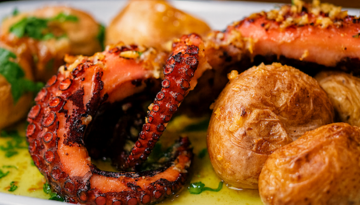 O Melro is one of those restaurants that has a good reputation among locals for doing simple things consistently right. Dishes taste homemade and are served quite generously. The menu relies on Portuguese staples such as slowly cooked octopus rice (arroz de polvo), and açorda de bacalhau, a comforting bread stew with salt cod. From the lagoon, you’ll find fried eels (even though they only show up when in season), sometimes simply dusted with flour and fried until golden and crispy, and other times as a part of ensopado de enguias, the eel stew that is one of Óbidos’ most iconic dishes. Meat lovers will also find satisfaction in roasted lamb or pork dishes, often served in hearty portions which can easily be shared. O Melro is priced fairly, something which makes it popular with residents and workers from the surrounding area. The service is uncomplicated but friendly and, when eating out in Óbidos, this is as straightforwardly Portuguese as it gets!
📍Rua do Comércio 22, 2510-055 Óbidos
Photo by Gastroranking
Real Casa do Petisco
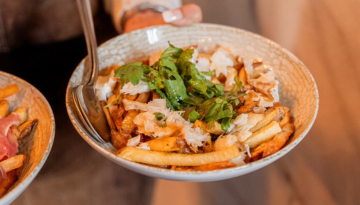 Real Casa do Petisco has a prime location right on Rua Direita but, fortunately, that doesn’t mean it has let go of its genuine tavern spirit. The word petisco in its name says a lot about what to expect around here. This is a house for small plates, where the pleasure lies in ordering several different dishes and letting the table fill gradually. Recipes are unpretentious but delicious, including things like pica-pau beef bites cooked in a mustard and garlic sauce, octopus salad (salada de polvo), and clams in white wine and coriander (amêijoas à bulhão pato – see our recipe for it here!). Regional Portuguese cheeses and smoked meats (enchidos) are ideal to start with, while this is also a good place to try alheira, the smoky northern sausage that is, quite possibly, Portugal’s most unique cured meat. From the desserts’ menu, we suggest trying the local Rocha pear poached in red wine, served with sour cherry foam (pera bêbeda com espuma de ginja). Real Casa do Petisco isn’t expensive, and it’s one of those spots where you can sit down for a drink and a snack even when you’re not in the mood for a full meal.
📍Largo São João de Deus, 2510-087 Óbidos
www.instagram.com/realcasadopetisco
Photo by Real Casa do Petisco on Facebook
Tasca Torta
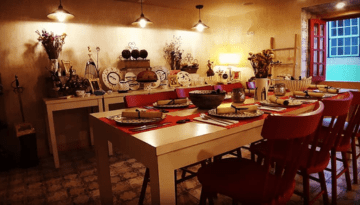 Tasca Torta is a family-run restaurant right on Rua Direita. Even though it is located in the most touristy stretch of Óbidos, they still serve honest Portuguese food in a warm, welcoming space. Furthermore, here service comes with the friendliness of people who clearly take pride in running their own place. On the menu, the focus is on hearty dishes that balance lagoon and inland traditions. Monkfish rice (arroz de tamboril) is one of the favorites, and it is deeply flavored with the fish’s firm flesh and enriched by a tomato based broth. Eel also makes appearances here, most notably in enguias fritas, fried until crisp and served with little more than a squeeze of lemon. For meat lovers, there’s feijoada à portuguesa, a bean stew with various cuts of pork, and other daily changing casseroles that bring variety to the regular menu. Tasca Torta has a reputation for fair pricing and portions that leave no one hungry.
📍Rua Direita 79, 2510-001 Óbidos
Photo by Tasca Torta on Facebook
1148 O Conquistador
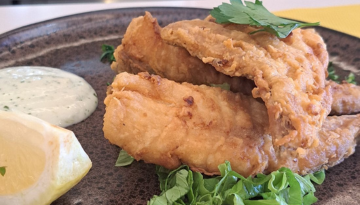 The name of this restaurant references the year Óbidos was taken from the Moors, and while the décor nods to that medieval heritage with stone walls and arched doorways, the atmosphere is bright and fairly contemporary. The work of the kitchen team focuses on reinterpreting classics with a lighter hand. Instead of the usual heavy stews, you’ll find dishes like seared tuna steaks served with citrus accents, or pork tenderloin paired with apple purée and roasted vegetables. Local cheeses often feature on the starters menu, and the wine list is proudly focused on small producers from the surrounding vineyards. What really makes 1148 O Conquistador stand out, however, is the attention given to desserts. Alongside convent inspired sweets, they offer a rotating list of more contemporary creations, including mousses infused with regional liqueurs, cheesecakes with fruit from nearby orchards, and inventive takes on chocolate that feel almost unexpected in a medieval town setting which, thanks to the yearly chocolate festival, has ended up developing a surprising love for chocolate.
📍Rua Josefa de Óbidos 20, 2510-077 Óbidos
www.facebook.com/p/1148-O-Conquistador-61575607002810
Photo by Road48142825632 on TripAdvisor
LETRARIA Óbidos
 More than a typical restaurant, LETRARIA Óbidos is a craft beer bar with serious culinary ambitions. It belongs to the Letra brewing project, originally from northern Portugal, and has become a favorite for those who want something more relaxed and contemporary after a day of exploring the castle and cobbled streets. Beer naturally takes center stage here, with dozens of Letra’s own craft brews on tap and by the bottle, ranging from hoppy IPAs to darker stouts. The food menu is built to match, with generous boards of cured meats and cheeses, burgers stacked high with toppings, and petisco-style plates like fried chicken bites, meat croquetes and other typical Portuguese savory fritters. Desserts are more playful rather than traditional, which makes sense given the youthful spirit of the bar. Think chocolate brownies served warm with ice cream or cheesecake topped with seasonal fruit. It’s not the home of convent sweets, but it is a reminder that Óbidos is also open to new flavors and dining styles.
📍Rua Padre Nuno Tavares, 2510-001 Óbidos
www.instagram.com/letraria_obidos
Photo by Cerveja Letra
O Caldeirão
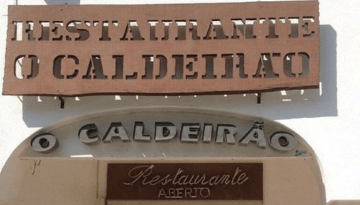 O Caldeirão sits along the main road just outside Óbidos and has long been a go-to for those who want traditional Portuguese food without frills. The space is large and bright, more functional than decorative, which makes sense given its role as a restaurant that caters to families, groups of friends, and plenty of locals who know they’ll get solid cooking here. Fish and seafood dishes are the stars of the menu, starting with the namesake caldeirada de peixe, that is, fisherman’s stew. There’s also arroz de marisco, rich and generous, served in steaming pots designed for sharing, and açorda de marisco, the thick bread stew that carries the flavors of the Atlantic. Meat dishes are equally robust, with grilled steaks, pork with clams, and roasted lamb among the staples. Portions are famously large, and as this is a spot where ordering a couple of dishes for the table often goes further than expected, we recommend ordering with caution if you don’t want to end up wasting food.
📍Urbanização Quinta de São José Lote 21 E-F, Sr. da Pedra, 2510-071 Óbidos
www.facebook.com/Restaurante.O.Caldeirao.Obidos
Photo by marcogasparsilva on TripAdvisor
A Canastra
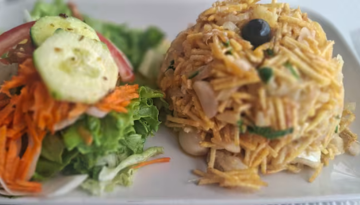 A Canastra has been serving the Óbidos area for decades and, unlike some of the newer, trendier addresses inside the walls, this one has the look and rhythm of a place that hasn’t felt the need to reinvent itself. The décor is straightforward and old-fashioned, and the menu has a clear focus on Portuguese comfort food. There is sopa de peixe, a robust fish soup that makes a strong start, and dishes like seafood rice (arroz de marisco) and mixed fish stew (caldeirada de peixe). On the meat side, they prepare a beautiful roast kid goat (cabrito assado), which is tender and rich, and particularly popular during the weekends. Daily specials (pratos do dia) often include stews or oven-baked dishes that are good representations of Portuguese homestyle food, while desserts also stick to the classics, from sweet rice pudding (arroz doce) to convent sweets.
📍Rua Antiga Estr. Real 34, 2510-042 Óbidos
Photo by The Fork
Madok
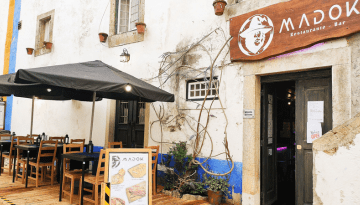 Madok is one of the more surprising establishments inside the castle walls. The setting mixes stone arches and medieval character with a whimsical décor that gives it a contemporary personality. It feels theatrical without being overdone, and even though there is serious thought put into the looks of the restaurant, thankfully the same goes for the food too. Seafood is well represented in the menu, with one of their most popular dishes being the ensopado de enguias, an eel stew that ties directly to the traditions of the nearby lagoon. There are meat dishes too, such as slow braised lamb or pork roasted with herbs. There are also lighter, more modern plates, such as beautiful mushroom risottos and fresh salads, as well as a willingness to accommodate vegetarians and other dietary needs, which isn’t always the case in smaller towns.
📍Rua Josefa de Óbidos 11, 2510-077 Óbidos
Photo by The Fork
O Traçadinho
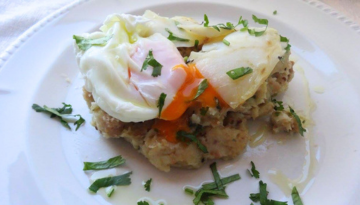 O Traçadinho isn’t tucked inside the medieval walls but a short drive away, in the locality of Capeleira. That location works in its favor, as being outside the dense tourist circuit means the pace is calmer, the dining room feels less hurried, and the food more focused on serving locals as much as visitors. The kitchen offers the staples visitors hope to find in this part of Portugal. Bacalhau à lagareiro, with the cod roasted until flaky and topped with a heavy drizzle of olive oil and garlic, is one of the highlights, as are the stews that nod to the lagoon, such as ensopado de enguias. For those after meat, the house makes a delicious roasted pork with Port wine, plums and bacon (lombinhos de porco com molho de vinho do Porto, ameixas e bacon). It’s the kind of food that’s best enjoyed slowly, with a jug of local wine to round it out.
📍Estrada da Capeleira 44, 2510-018 Óbidos
https://tracadinho.restaurantesdeobidos.com
Photo by Lifecooler
Restaurante Pousada Castelo Óbidos
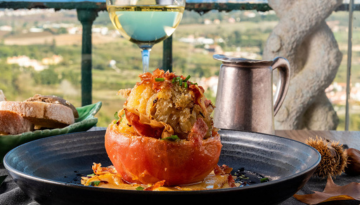 One goes dining at the Pousada Castelo de Óbidos for the food but, let’s face it, also because of the setting. The restaurant occupies part of the medieval castle that dominates the town skyline, and sitting down for a meal here can feel rather special and even a little historical. If possible, ask for a table by the window, so that you can enjoy the sight of the village rooftops below. The menu focuses on classic Portuguese cuisine served with a more formal touch. You’ll often find fish soup (sopa de peixe) to start, followed by dishes like roasted lamb with rosemary, duck rice cooked in a clay pot, or bacalhau à lagareiro, prepared with the usual generosity of garlic and olive oil. The cooking aims to highlight regional flavors but with more polish than you’ll see in local taverns. The wine list is broad, giving plenty of space to producers from the Oeste as well as other interesting Portuguese wine regions. Desserts provide a sweet ending to match the grandeur of the surroundings. Expect convent inspired specialties such as sericaia with plums or almond-based cakes, alongside more international options like chocolate soufflé. Service is formal, in keeping with the Pousada style, and while this is not the cheapest table in Óbidos, it offers a memorable setting that few other restaurants can match.
📍Rua do Castelo, 2510-999 Óbidos
www.pousadas.pt/uk/hotel/pousada-obidos
Photo by Pousadas de Portugal
Poço dos Sabores
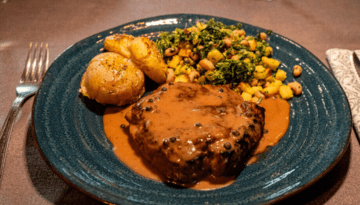 Poço dos Sabores’ kitchen combines regional traditions with a lighter, sometimes more contemporary touch. If you were to eat just one dish here, we’d recommend going for the bacalhau com broa, which is salt cod baked under a crust of cornbread, which arrives golden and crisp on top, tender and moist underneath. Lagoon influences are also present as one has come to expect around Óbidos. The chef often prepares caldeirada de peixe, a fisherman’s stew loaded with local catch, layered with potatoes, peppers, and tomatoes, cooked until the broth is thick and satisfying. For meat eaters, there are well executed staples like duck confit served with orange sauce or pork tenderloin wrapped in bacon. The wine list showcases producers from the wider Oeste region, reminding diners that Óbidos is not only about ginjinha but also about table wines shaped by the Atlantic climate. And, even though most dishes at Poço dos Sabores are hearty, we’d still recommend leaving some space for dessert, namely for convent sweets like trouxas de ovos, which are delicate rolls of egg yolk threads wrapped in a thin crepe and glazed with syrup. Unlike most addresses featured here, Poço dos Sabores isn’t in Óbidos’ town centre itself, but in the nearby locality of Usseira, about four kilometers from the center. It’s only a five minute drive, and that short detour is well worth it to get a feel for the Óbidos region outside the more touristic core.
📍Rua Principal 85 B, 2510-772 Usseira
www.instagram.com/poco_dos_sabores
Photo by Região de Leiria
The best bakeries and pastelarias in Óbidos
Capinha d’Óbidos
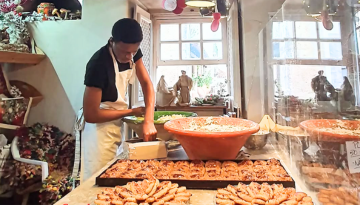 This is one of the most traditional pastry shops in town and it is a must-stop for anyone curious about the sweet side of Portuguese convent heritage. Located right on Rua Direita, it has the feel of a classic pastelaria, with a counter full of golden pastries. The house specialty is the pastel de ginja, a small tart filled with sour cherry liqueur cream cleverly inspired by Óbidos’ most famous drink. Alongside it, you’ll find all the expected convent sweets, including trouxas de ovos and lampreia de ovos, made with the usual abundance of egg yolks and sugar syrup that defines this style of Portuguese baking. There are also simpler options such as almond cakes and butter cookies, which make easy gifts to take away as great edible souvenirs from Portugal.
📍Rua Direita 105, 2510-089 Óbidos
www.instagram.com/capinhadeobidos
Photo by Capinha d’Óbidos on Instagram
Real Casa do Pastel
 Real Casa do Pastel is all about honoring one sweet in particular, the pastel de nata. Here it’s always fresh, with crispy puff pastry, and perfectly caramelized creamy custard. The counter is usually full so it’s pretty hard to resist. Portuguese custard tarts are, of course, the stars of the menu, but the shop doesn’t stop there. You’ll also find other convent sweets like enxovalhadas or trouxas de ovos. There’s also a short list of savory pastries and sandwiches, which makes it a convenient spot if you need something quick before heading back out to the cobbled streets or if you’d like to start the day with a Portuguese style breakfast. The space is small and cozy, usually with a steady flow of customers grabbing a coffee and a pastel to enjoy on the go.
📍Rua da Porta da Vila 16 18, 2510-089 Óbidos
www.instagram.com/realcasadopastel
Photo by Elaine on TripAdvisor
Doces & Sabores
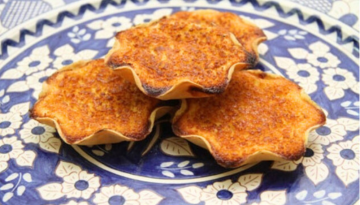 Doces & Sabores is a pastelaria in the heart of Óbidos that lives up to its name, “sweet and flavors”, by offering a broad range of Portuguese cakes and pastries, as well as conventual treats. The atmosphere is lively with both locals and visitors stopping in for a quick coffee and a bite. Besides standard items like pastéis de nata, you will also find queijadas de Óbidos, small cakes made with fresh cheese, with a texture somewhere between cheesecake and a custard tart. They also produce seasonal specialties tied to local fruit harvests, such as pear or apple pastries. No matter what you end up choosing, do like the Portuguese would do, and enjoy your sweet moment with the kick of an espresso (bica).
📍Rua Direita 61, 2510-039 Óbidos
www.facebook.com/doces.e.sabores.obidos
Photo by Doces e Sabores on Facebook
Óbidos is just one of many places near Lisbon where food and culture easily justify a day trip from the capital. Browsing Taste of Lisboa’s blog, you’ll find more travel guides for food lovers, full of insider tips on what to eat, drink, and experience in Portugal’s most fascinating towns.
Feed your curiosity on Portuguese food culture:
Nazaré travel guide for food lovers
A brief guide on how to order fish in Portugal
Portuguese food projects you should know and follow
Real people, real food. Come with us to where the locals go.
Signup for our natively curated food & cultural experiences.
Follow us for more at Instagram, Twitter e Youtube