
Estremoz travel guide for food lovers
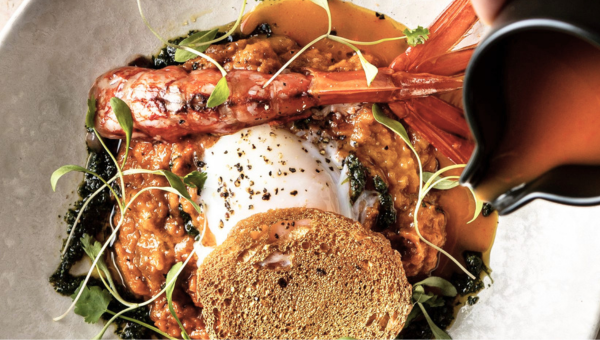
About 170 kilometers east of Lisbon, Estremoz is a good destination for travelers who want an introduction to the Alentejo without planning a longer trip through the region. By car, the journey takes around one hour and 45 minutes, through the landscapes typical of inland Alentejo. Estremoz is particularly associated with marble, wine and agriculture, all of which are easy to encounter across the city and surrounding area.
Featured photo by Grandes Escolhas
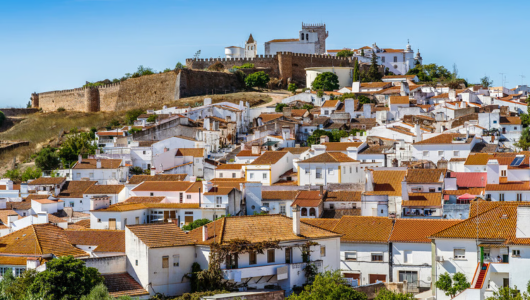
Photo by Winalist
Driving is the easiest way to visit Estremoz from Lisbon, particularly if you want to include a winery or explore beyond the city itself. The most direct route follows the A6 east across the Alentejo and makes Estremoz manageable as a day trip if you leave early. The drive also makes it easy to stop at other destinations we have covered in our travel guides for food lovers. Vendas Novas is an easy early stop if you want to begin with one of the town’s famous bifanas, while Arraiolos requires a short detour but may still be worthwhile for its traditional chicken empadas. Évora lies around 45 minutes southwest of Estremoz and makes more sense as part of a longer Alentejo itinerary or an overnight trip than as something to squeeze into the same day.
There is no direct train service to Estremoz, but direct buses from Lisbon generally take around two hours. Visiting the city itself without a car is perfectly realistic because most of the historical center can be explored on foot. The main limitation comes if you want to reach vineyards or villages elsewhere in the municipality, where public transportation is too limited to make a more complete itinerary revolving around food and wine.
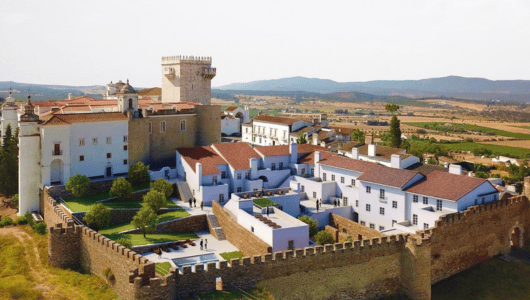
Photo by Mais Magazine
Most of Estremoz’s main sights are divided between the medieval upper town and the lower city around Rossio Marquês de Pombal. In the upper town, the fortified quarter includes the castle, the former royal palace and the Torre das Três Coroas, a medieval keep built mostly from local marble. This part of the city is associated with Queen Isabel of Aragon, known in Portugal as Rainha Santa Isabel, who spent time in the royal residence here. The chapel dedicated to her is nearby, and the surrounding streets show how extensively marble was used in Estremoz, not only in major monuments but also in doorways, steps and other architectural details.
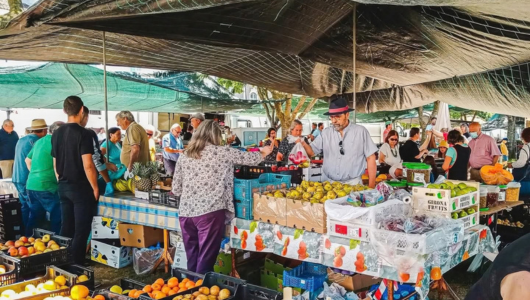
Photo by CM Estremoz on Facebook
Rossio Marquês de Pombal becomes especially lively on Saturday mornings, when Estremoz holds its traditional market. Farmers and producers from the surrounding countryside sell fruit and vegetables, cheeses, olive oil, olives, cured meats and other local products, alongside an antiques and flea market where you may find old ceramics, copperware, agricultural tools, textiles and household objects. If your dates are flexible, Saturday is one of the best days to visit, particularly for food lovers who want to see some of the ingredients that later appear on local restaurant menus.

Photo by NIT
The Bonecos de Estremoz are small hand-modeled and painted clay figures depicting saints, shepherds, farmers, animals, trades and scenes from Alentejo life. Their production dates back at least to the 17th century, and the craft was added to UNESCO’s Representative List of the Intangible Cultural Heritage of Humanity in 2017. At the Centro Interpretativo do Boneco de Estremoz (Rua Vasco da Gama 3), the exhibition explains how the figures are made and introduces the artisans who continue the tradition today. You can also visit some of the artisans’ workshops around town, which normally also sell the figures directly.
Estremoz lies in one of Portugal’s main marble-producing areas, which extends toward Borba and Vila Viçosa. Marble has been quarried around Estremoz for centuries and is used extensively in local architecture. You can actually visit a working quarry with the Centro Ciência Viva de Estremoz (Convento das Maltezas), which organizes guided visits by prior booking. Travelers with more time can also follow the Rota do Mármore, whose guided itineraries may include quarries, marble-processing facilities and traditional stoneworkers’ workshops in the areas around Estremoz, Borba and Vila Viçosa.
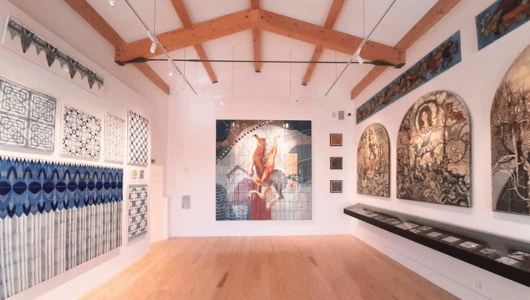
Photo by Museu Berardo Estremoz
The Museu Berardo Estremoz (Lgo Dragões de Olivença) houses a collection covering several centuries of Portuguese tile production. Estremoz also has its own azulejo routes through churches, convents, façades and other buildings around the city. Elsewhere in the lower town, you can visit the former Convento dos Congregados (Av. Central 98), the Church and Convent of São Francisco, the former Convento das Maltesas (Rossio Marquês de Pombal) and Lago do Gadanha (Largo Gen. Graça).
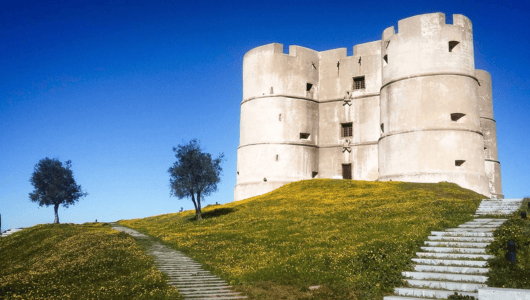
Photo by CM Estremoz
Around 17 kilometers from the city, Évoramonte is the most worthwhile nearby detour for anyone traveling by car. The small walled settlement, which is part of the municipality of Estremoz, occupies a hilltop dominated by its unusual fortified palace. The Convention of Évoramonte was signed here in 1834, bringing the Portuguese Liberal Wars to an end, and the village also offers broad views over the surrounding Alentejo countryside. It can easily be added before reaching Estremoz or on the return journey toward Lisbon.
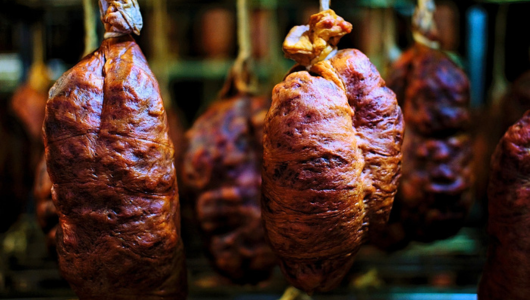
Photo by Projecto Matéria
Bread, olive oil, sheep’s cheese, pork, lamb and fresh herbs are central to the traditional Alentejo cuisine you’ll find around Estremoz. As in many parts of Portugal, old bread is often reused in savory dishes, including açorda, where it absorbs broth, olive oil, garlic and herbs. Lamb is commonly served roasted or stewed, in recipes such as ensopado de borrego. Pork appears in sausages, cured meats and migas, one of the Alentejo’s best-known ways of turning bread into a substantial side dish. Coriander, pennyroyal, mint and other aromatic herbs are also common throughout the region’s cooking.

Photo by CM Estremoz on Facebook
Estremoz is also associated with several sweets worth seeking out locally. The Gadanha (pictured here), made with almond and egg, takes its name from the figure standing in the fountain at Lago do Gadanha, while Bolo Rainha Santa is named after Queen Isabel. Local queijadas are small cheesecakes traditionally made with fresh sheep’s cheese. Almonds and egg yolks feature heavily in the region’s pastry tradition, often alongside gila, a fig-leaf gourd whose flesh is cooked with sugar until it forms a sweet, thread-like preserve used in many Portuguese conventual desserts. Fried dough sweets also appear frequently around religious holidays and local festivals.
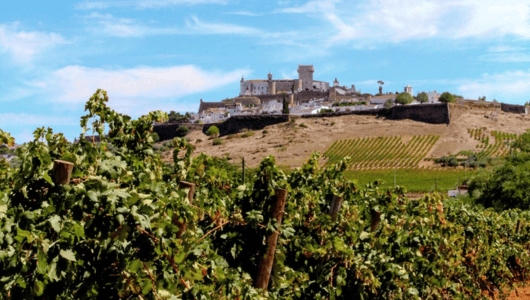
Photo by CM Estremoz
Much of the municipality falls within the Borba subregion of DOC Alentejo, where vineyards grow across the marble and schist soils of the Estremoz-Borba-Vila Viçosa area. Reds frequently feature grape varieties such as Aragonez, Trincadeira, Alicante Bouschet and Touriga Nacional. Whites may include Arinto, Roupeiro and Antão Vaz, among many other varieties used by local producers. Estremoz and its surroundings have a high concentration of wineries, from long-established names to smaller estates, and several offer vineyard walks, cellar visits and tastings. For travelers interested in wine, it is worth reserving part of the day for a producer visit – see our recommendations below, for the best wine tourism experiences around Estremoz.
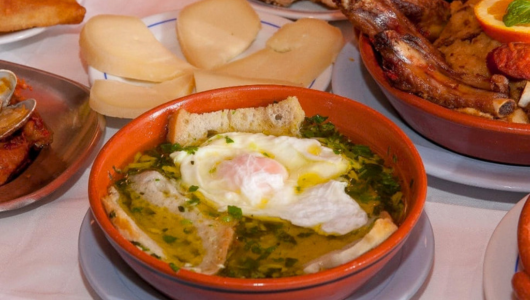
Photo by Alentejo Ilustrado
Several annual events are particularly relevant for food and wine travelers, starting with FIAPE, the town’s large agricultural fair, which usually takes place around late April and early May and brings together livestock, regional producers, crafts, restaurants and other aspects of rural Alentejo life. Later in the year, Cozinha dos Ganhões focuses more directly on traditional cooking, with temporary food stalls (tasquinhas), regional dishes, sweets, wines and local products. Wine events such as Cultourwine have also brought producers from the municipality together for tastings and related programming. Dates vary from year to year, so make sure to check the current municipal calendar beforehand.
To taste the best of the Alentejo’s cooking and wines, these are the best restaurants, cafés, pastry shops and wineries in Estremoz:
Best restaurants for Portuguese food in Estremoz
Gadanha Mercearia & Casa do Gadanha
 Gadanha Mercearia and Casa do Gadanha are two related restaurants run by chef couple Michele Marques and Ruben Trindade Santos, but the experience is quite different at each. Mercearia Gadanha came first, opening as a shop selling local products in 2009 before developing into a restaurant a few years later. Michele Marques gives Alentejo recipes a contemporary treatment without losing their recognizable regional character. The menu is designed for sharing and may include dishes such as eggs with farinheira, black pork, slow-cooked cheeks and salt cod (bacalhau). The shop sells regional cheeses, cured meats, olive oil and wines. Casa do Gadanha opened in 2022 inside the couple’s small hotel a few minutes away and gives Ruben Trindade Santos considerably more room for experimentation. His cooking uses predominantly local ingredients but draws on techniques and flavors that go beyond traditional Alentejo cooking, with a changing selection of plates to share and tasting menus. The wood-fired oven is used for slow-fermented bread and other preparations and the menu might include goat croquettes, matured beef, squid with curry butter or desserts based on egg yolk, bread and yogurt. If you want contemporary regional food in a relaxed setting, start with Gadanha Mercearia. Casa do Gadanha is the more creative choice for a longer meal. Both restaurants are recommended by the Michelin Guide, and Guia Repsol also awarded Mercearia Gadanha one Sol in 2025 and Casa do Gadanha one Sol in 2026.
📍Gadanha Mercearia: Lgo Dragões de Olivença 84, 7100-457 Estremoz
www.instagram.com/gadanhamercearia
📍Casa do Gadanha: Rua Vasco da Gama 4, 7100-559 Estremoz
https://casadogadanha.pt/restaurante
Photo by Gadanha Mercearia on Facebook
Larau
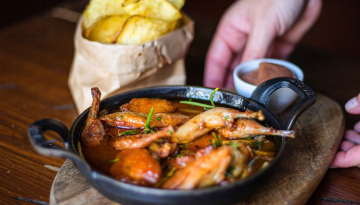
 Larau serves contemporary Portuguese cooking, with an emphasis on seasonal ingredients, local producers and products from the Alentejo. Chef Filipe Bilro’s menu moves between regional references and influences from elsewhere, so you might find dishes such as creamy oxtail rice, black pork cheeks or a reinterpretation of bacalhau à Brás alongside ceviche, tempura or other preparations that change with the season. Aged meats are another regular feature, and the wine list has a strong Alentejo presence, even though it still includes producers from other Portuguese regions. Even the name is local, as larau was a term used during the olive harvest in Alto Alentejo for the burlap cloth on which the olives were collected.
📍Largo Gen. Graça 52, 7100-112 Estremoz
www.instagram.com/laraurestaurante
Photo by Odisseias
Adega do Zé Varunca
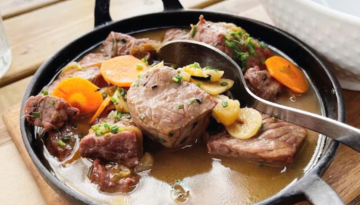
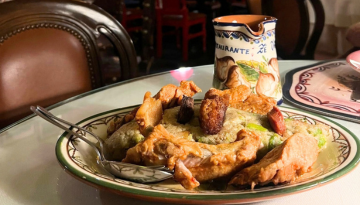 Zé Varunca opened his first restaurant in Estremoz in 1981, before the family took its Alentejo cooking closer to Lisbon, where the restaurant now operating in Paço de Arcos is run by Zé Varunca’s sons. In 2022, Zé Varunca returned to his hometown and opened Adega do Zé Varunca in the former Adega do Isaías, another restaurant long associated with traditional food in Estremoz. The menu is all about classic Alentejo cooking, with dishes such as dogfish soup (sopa de cação), lamb rice (arroz de borrego), grilled lamb chops, bread-based migas served with fried pork ribs (migas com entrecosto frito), grilled strips of pork (lagartinhos de porco) and pig’s trotters with coriander (pezinhos de coentrada). For dessert, look for regional classics such as Alentejo egg pudding served with preserved plums (sericaia), poached meringues with custard (farófias) and the rich almond, egg-yolk and gila sweet known as pão de rala.
📍Rua do Almeida 21, 7100-106 Estremoz
www.instagram.com/adegadozevarunca
Photo by Inês Coelho on Facebook
A Venda Azul
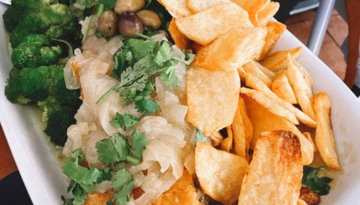 A Venda Azul is a small, informal restaurant specializing in traditional Portuguese and Alentejo cooking, with generous portions and a menu particularly strong on pork dishes. Black pork is served in cuts such as secretos, lagartos and plumas. Other choices include fried pork ribs with asparagus bread migas (entrecosto frito com migas de espargos), Alentejo bread migas with pork (migas alentejanas com carne de porco) and the house salt cod (bacalhau à Venda Azul – pictured here). There are also fish and rice dishes, such as seafood rice (arroz de marisco), depending on the day. Save room for dessert if you can, as A Venda Azul is also known for its encharcada, which is a very rich Alentejo sweet made mainly with egg yolks, sugar and syrup.
📍Largo de São José 26, 7100-507 Estremoz
www.facebook.com/p/Venda-Azul-100046819970511
Photo by Venda Azul on Facebook
Tasca O Carlos
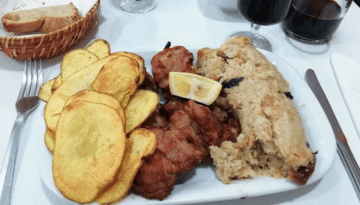 This small family-run tasca is a good choice for straightforward Alentejo cooking in generous portions, and it has been serving customers in Estremoz for several generations. The restaurant was renovated and relaunched in 2016, but the menu still focuses on traditional home cooking. Chickpea stew (cozido de grão) is one of the house specialties, and the menu may also include tomato soup (sopa de tomate), dogfish soup (sopa de cação), lamb stew served over bread (ensopado de borrego), coriander and bread broth with a poached egg and cod (açorda de bacalhau com ovo), black pork and different versions of migas. For dessert, look for Alentejo classics such as sericaia, usually served with Elvas plums, as well as the house tart and other homemade desserts that change regularly.
📍Rua Victor Cordon 14, 7100-106 Estremoz
www.instagram.com/tascaocarlos
Photo by O Carlos on Tripadvisor
Solar do Leão
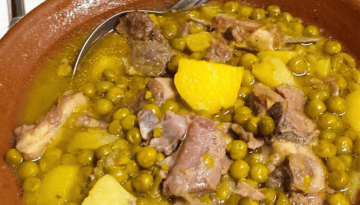 Away from the more elegant restaurants in the center, Solar do Leão is a simple family-run place where the focus is on generous portions of Portuguese and Alentejo home cooking at reasonable prices. Regional staples include Alentejo bread soup (açorda alentejana) and tomato soup (sopa de tomate), while the daily selection may feature Iberian black pork secreto (secretos de porco preto), slow-cooked pork cheeks (bochechas de porco), Alentejo-style broad beans with pork (favas à alentejana) and duck rice (arroz de pato). Large portions, an informal dining room and attentive service from owner João are part of the appeal. The restaurant fills quickly with local customers, especially at weekend lunches, so book ahead.
📍IP2 11, Estremoz
www.facebook.com/p/Restaurante-o-Solar-do-Le%C3%A3o-100034999581514
Photo by oidimesotam on Tripadvisor
Ouvi Dizer Estremoz
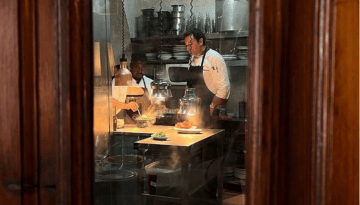 Ouvi Dizer reinterprets familiar Portuguese dishes in a more contemporary way, and the menu changes regularly. You might find fried eggs with farinheira sausage (ovos rotos de farinheira), a savory pastry filled with Portuguese boiled dinner (pastel de cozido à portuguesa), or tiger prawn prepared as a seafood version of the classic Portuguese steak-and-egg dish (bitoque de camarão tigre). Other dishes can include sea bream carpaccio with truffle and lime, prawn curry and shrimp rissoles. Local wine also appears in the cooking and, during Estremoz gastronomy events, the restaurant has served dishes like oven-roasted lamb with Estremoz white wine and bread with red-wine butter.
📍Lgo Dragões de Olivença 86, 7100-457 Estremoz
www.instagram.com/ouvi_dizer_estremoz
Photo by Fernanda A on Tripadvisor
Espaço Equestre
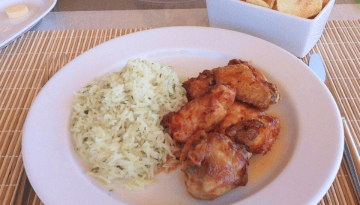 Espaço Equestre occupies an equestrian center on the outskirts of Estremoz and has a large outdoor terrace. The kitchen combines Portuguese and Alentejo flavors in less traditional ways. The menu can include options like cold rabbit salad with blood sausage and caramelized apple, farinheira croquettes, pea cream with linguiça chips, and pork cheeks braised in Estremoz red wine with Alentejo bread migas (bochechas estufadas em vinho tinto com migas alentejanas). The setting and generous outdoor space make it a pleasant choice for a relaxed lunch or dinner when you have a car and do not mind heading a little outside the center.
📍Zona industrial de Estremoz, 7100-147 Estremoz
www.instagram.com/espacoesquestre.bysetor8
Photo by Francisco M on Tripadvisor
A Cadeia Quinhentista
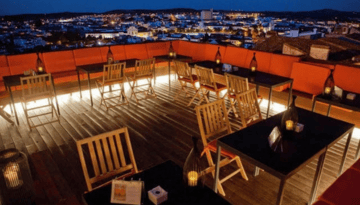 Eating inside Estremoz’s former 16th-century jail is the main reason this restaurant stands out. Also known as A Cadeia Bué Pequenina, the building sits inside the medieval quarter close to the castle and still preserves architectural details from its earlier use, while the rooftop terrace looks over the town and surrounding countryside. The kitchen focuses on Alentejo and Portuguese food, using regional cheeses, cured meats, aromatic herbs and local wines, with dishes that may include slow-roasted lamb and golden salt cod (bacalhau dourado), an Alto Alentejo specialty similar to bacalhau à Brás, traditionally made with very finely cut fried potatoes and plenty of egg. In warmer weather, arrive early for a drink on the rooftop terrace overlooking the town and surrounding countryside.
📍Pousada Castelo Estremoz, Rua da Rainha Santa Isabel, 7100-509 Estremoz
www.facebook.com/ACadeiaQuinhentista
Photo by Turismo do Alentejo
Restaurante Alecrim
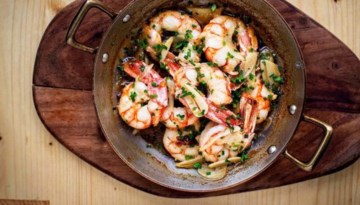 Facing Rossio Marquês de Pombal, Alecrim serves Portuguese and Alentejo cooking in a more formal setting than many of Estremoz’s tascas. Among the house specialties are bacalhau dourado, old-fashioned roast lamb (borrego assado à moda antiga) and grilled Iberian black pork feather loin (plumas de porco preto). Other options include migas with grilled meats, beef croquettes, octopus salad and creamy rice dishes, with vegetarian, vegan and gluten-free options also available. For dessert, you may find queijadas alongside classics such as chocolate mousse and custard with a caramelized sugar top (leite creme), and the wine list features plenty of Alentejo producers.
📍Rossio Marquês de Pombal 31 & 32, 7100-513 Estremoz
www.instagram.com/restaurantealecrim0412
Photo by Turismo do Alentejo
A Talha
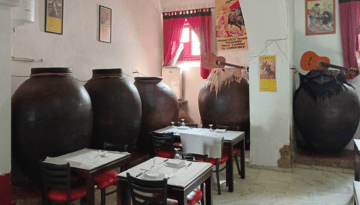 The name comes from the large clay wine vessels (talhas) kept inside the restaurant, including one said to date from 1660. Just inside the old town walls near Porta de Santa Catarina, A Talha is an informal place for traditional Portuguese cooking, popular for weekday lunches as well as longer weekend meals. At lunchtime there is usually a daily menu alongside grilled meat and fish, and other dishes you may come across include Alentejo-style pork with clams (carne de porco à alentejana), slow-cooked pork cheeks (bochechas de porco) and octopus rice (arroz de polvo). The dining room is simple and lively, attracting plenty of local customers, and Saturday lunches can be especially busy after the morning market.
📍Largo de Santa Catarina 14, 7100-110 Estremoz
www.facebook.com/restauranteatalhaestremoz
Photo by Visit Estremoz
Sabores das Maltezas
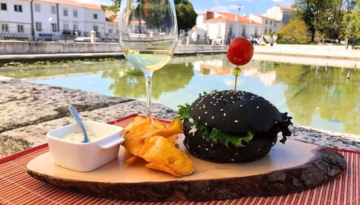 Right by Lago do Gadanha, Sabores das Maltezas combines a casual restaurant and café with a small shop specializing in products from the Alentejo. The menu includes regional cheese and cured-meat boards, Alentejo bread, sandwiches, salads and burgers made with ingredients such as lamb, Iberian black pork and Mertolenga DOP beef, alongside vegetarian and vegan options. The shop stocks wines, olive oils, honey, preserves, liqueurs and other products from Estremoz and elsewhere in the region. Sabores das Maltezas also makes traditional and conventual sweets to order, including Estremoz water pudding (pudim de água de Estremoz), golden bread pudding (sopa dourada), almond and egg-yolk sweet with gila (pão de rala), almond and egg-yolk cake (toucinho do céu) and small egg-yolk cakes soaked in syrup (papos de anjo).
📍Largo Gen. Graça 30A, 7100-112 Estremoz
https://saboresdasmaltezas.com
Photo by Sabores das Maltezas
Bifanas Estremoz – Petisqueira
 Right on Rossio Marquês de Pombal, Bifanas Estremoz is an easy stop for something quick and inexpensive between sightseeing. The obvious order is the Portuguese pork sandwich known as a bifana, made with thin slices of seasoned pork tucked into a bread roll, but the menu includes more than sandwiches. You may also find Portuguese-style pork strips served with pickles (pica-pau), pig’s trotters with coriander (pezinhos de coentrada), salt cod baked with bread, vegetables and béchamel sauce (bacalhau espiritual), as well as grilled meats, fish and other everyday dishes. It is casual, centrally located and open from early in the day, so it’s a good stop for a snack or unfussy lunch if you’re not in the mood for a more elaborate sit-down meal.
📍Rossio Marquês de Pombal 62, 7100 Estremoz
www.facebook.com/bifanas.estremoz
Photo by Bifanas Estremoz on Facebook
O Fresquinho
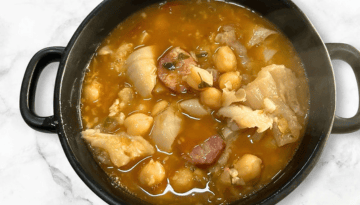 A few kilometers from central Estremoz, in the village of Arcos, O Fresquinho combines a café, pastelaria and informal restaurant under one roof. It is a well-known local producer of regional sweets, and the counter includes homemade cakes and traditional Alentejo pastries. On the savory side, look for traditional petiscos and, during snail season, Portuguese-style snails cooked with garlic and herbs (caracóis). The restaurant also serves regional dishes such as pennyroyal bread soup with salt cod and egg (açorda de poejos com bacalhau e ovo). Its location outside the historical center makes it a good stop if you are driving through the countryside around Estremoz rather than staying only in town.
📍Rua da estação lote-14, 7100-011 Arcos-Estremoz
Photo by O Fresquinho on Facebook
Best bakeries and pastelarias in Estremoz
Pastelaria Aliança
 Open since 1967 on Rossio Marquês de Pombal, Pastelaria Aliança is one of the places to look for the pastel Rainha Santa, the local sweet named after Queen Isabel of Aragon. The pastry was created as part of a local initiative celebrating Rainha Santa Isabel and became one of Estremoz’s recognized regional products. Aliança is also a traditional neighborhood pastelaria, open from early in the morning, with coffee, cakes and savory snacks such as chicken pastries and fried savory turnovers (rissóis).
📍Rossio Marquês de Pombal 106, 7100-106 Estremoz
Photo by CM Estremoz on Facebook
Pastelaria Formosa
 For one of Estremoz’s most distinctive sweets, head to Pastelaria Formosa on Rossio Marquês de Pombal. The house specialty is the Gadanha, Estremoz’s rich almond-and-egg sweet. Formosa has its own production facility in Estremoz’s Zona Industrial, while the Rossio shop is the place to sit down for a Portuguese-style breakfast, pastries or simply a cup of coffee. The display also includes regional sweets such as pão de rala and walnut-and-honey cake, alongside savory pastries such as chicken and duck pies.
📍Rossio Marquês de Pombal 94, 7100-530 Estremoz
www.facebook.com/p/Pastelaria-Formosa-Estremoz-100063772071364
Photo by anageorge on Tripadvisor
Best wine tourism experiences near Estremoz
Dona Maria
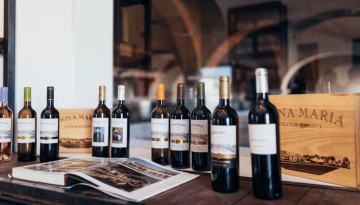 If you’d like to enjoy wine tourism beyond a standard cellar tasting, we recommend a visit to Dona Maria. The estate occupies an early 18th century country house on the outskirts of Estremoz, with a chapel dating from 1752, historic gardens, a room lined with traditional clay wine vessels (talhas) and old marble fermentation tanks that are still used for grape treading during the harvest. The winery offers several tasting options, ranging from Dona Maria’s more affordable wines to reserves and top labels, accompanied by regional bread and cheese. All visits include the historical parts of the property and winery, while the most complete experience can finish with lunch or dinner inside the palace, served with the estate’s top wines, antique tableware and silver cutlery.
📍Quinta do Carmo 7100-055 Estremoz
https://donamaria.pt/en/wine-tourism
Photo by Dona Maria
Herdade das Servas
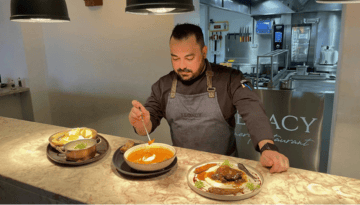 At Herdade das Servas, just outside Estremoz, wine tourism ranges from a simple visit to the vineyards, winery and cellar to more extensive tastings with regional food pairings. The Serrano Mira family has been making wine here since the 17th century, and current experiences include guided tastings of several Herdade das Servas wines, blind tastings and pairings with Alentejo products such as black pork cured meats, cheese, bread and preserves. During the September harvest, visitors can also book a grape-treading program (pisa a pé), which includes the vineyard, winery, cellar and the estate’s marble wine presses before the tasting. Herdade das Servas is also home to Legacy Winery Restaurant, currently recommended by the Michelin Guide. The restaurant combines Alentejo ingredients and recipes with contemporary cooking, with dishes such as partridge escabeche with dried figs and Alentejo bread, wild boar rice with mushrooms and reinterpretations of salt cod à Brás. The wine list focuses on bottles produced at the estate, and the dishes are conceived with wine pairings in mind.
📍Estrada Nacional 4 Km 136.4, 7100-600 São Bento do Ameixial
https://herdadedasservas.com/en/enotourism
Photo by Herdade das Servas
João Portugal Ramos Wines
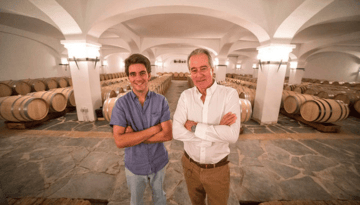 Adega Vila Santa, the Estremoz home of João Portugal Ramos Wines, has one of the most extensive wine-tourism programs in the area. João Portugal Ramos planted his first vineyards in Estremoz in 1990, and the winery, built in 1997 and later expanded, is now the headquarters of the group. Alongside guided cellar visits and tastings, visitors can book tapas and wine pairings, picnics in the vineyards, an Alentejo cooking experience, a workshop dedicated to a traditional sweet yeasted bread flavored with ingredients such as cinnamon and fennel (bolo finto), or an “Artesão do Vinho” experience where participants create their own blend. There is even a wine-themed escape room. During harvest season, the Natureza, Vindima e Vinho program includes picking grapes, traditional foot treading in the winery’s marble presses (lagares) and a harvest lunch. Pre-booked lunches in Vila Santa’s dining room pair Alentejo cooking with the estate’s wines, and tapas programs are also available.
📍Adega Vila Santa, Estrada Nacional 4, 7100-149 Estremoz
www.jportugalramos.com/en/enoturismo
Photo by Revista de Vinhos
Adega do Monte Branco
 Created in 2004 by winemaker Luís Louro, Adega do Monte Branco is a smaller-scale winery just outside Estremoz, with a modern glass tasting room overlooking the surrounding landscape. Visits start with the winery and cellar before moving into one of several tasting formats. The introductory tasting includes five wines from the Alento range. More specialized experiences focus on single-variety wines, vertical tastings of different vintages, top cuvées or a tasting led directly by the winemaker, including samples from barrel. Tastings can be accompanied by Alentejo cheeses, cured meats and bread, and the winery can also prepare a full meal for groups of at least four people by advance reservation.
📍Monte Branco, 7100-145 Estremoz
www.adegamontebranco.com/en/enoturismo
Photo by Grandes Escolhas
A day in Estremoz is a good reminder of how much Portuguese food changes from one region to another, even within a relatively short drive from Lisbon. If you’d like to keep exploring those regional connections once you’re back in the capital, join one of our Lisbon food and cultural walks.
Feed your curiosity on Portuguese food culture:
Évora travel guide for food lovers
Arraiolos travel guide for food lovers
Vendas Novas travel guide for food lovers
Explore the best flavors of the Alentejo: what and where to eat in Lisbon
Real people, real food. Come with us to where the locals go.
Signup for our natively curated food & cultural experiences.
Follow us for more at Instagram, Twitter e Youtube