
Where Lisbon locals shop for Christmas food
Christmas in Portugal, like in many other places, revolves around food. But, before families even get to gather around the table, there’s a lot of holiday tradition in the weeks leading to the 24th of December, namely to do with shopping.
We’ve already written about what the Portuguese usually eat on Christmas, but this time we’re going “behind the scenes”, to explore where locals go to gather everything they need for the most food-obsessed night of the year. If you want to experience the city’s festive season the way locals do, these are the most iconic places to go shopping for holiday ingredients in the Portuguese capital.
Feat photo by Lojas Com História
The essential ingredients of a Lisbon Christmas table
The Portuguese Christmas table is built on a handful of essentials, and most households will spend the days leading up to the 24th gathering them, often from different places.
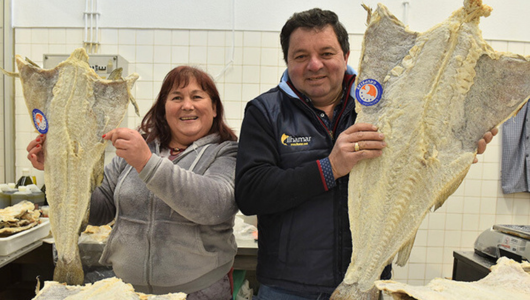
Photo by Mercado de Leiria
At the top of the list is bacalhau, the salted cod that fuels the famous bacalhau cozido on Christmas Eve. Even families who eat octopus instead still buy a little cod as, otherwise, Christmas Portuguese style would feel somewhat incomplete. Close behind is the polvo, the star of households with northern roots who migrated to Lisbon over the decades and brought their traditions with them. In both cases, choosing the right fish is serious business. Size matters, texture matters, curing matters and, when you do not know how to evaluate all those things yourself, it pays off to visit a specialized store where the staff can guide you (more on this below).
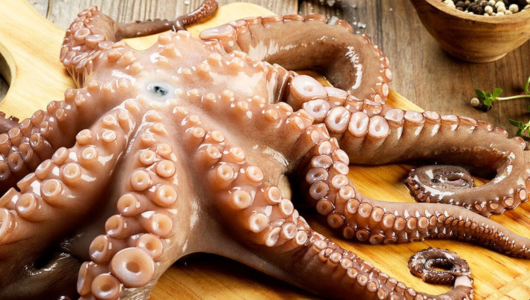
Photo by Continente
On the vegetable side of things, cabbage (couve portuguesa) is essential, alongside potatoes, onions, garlic, citrus, and a suspiciously large amount of olive oil for seasoning the boiled seafood and its sides.
Dried fruits and nuts are also December staples, filling the festive trays that sit on coffee tables all month long. Aromatics like cinnamon, honey, and Port wine are also part of the Christmas pantry, as typical Portuguese Christmas desserts rely on them for flavoring.
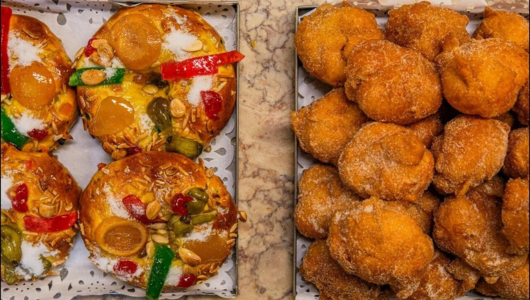
Photo by Guía Repsol
And, of course, no Lisbon Christmas is complete without the actual sweets. Even though they are also available at stores, many families will still prepare the typical fritters at home, including rabanadas [inserir link para novo artigo sobre rabanadas], sonhos and filhoses. But bolo-rei and bolo-rainha, as well as more elaborate preparations like lampreia de ovos or more contemporary desserts like tronco de Natal, our country’s take on yule log, whether it’s made with chocolate or in a more localized version with egg jam (doce de ovos), usually are store-bought. Many families reserve their cakes in advance at their favorite bakery, while others still enjoy the thrill of joining the morning queue and trusting that what they had on their shopping list is not yet sold out by the time their turn comes.
What makes this whole process uniquely Lisbon, at least when followed traditionally, is that each ingredient has its ideal place to be bought. Greens may come from a market stall, cured cod from a trusted fishmonger, dried fruits from a neighborhood store that still scoops them by hand, sweets from the pastelaria you’ve been going to since childhood and, because this is modern Lisbon after all, the supermarket or hypermarket gets to fill in whatever gaps may be left.
Christmas food shopping at the best municipal markets in Lisbon
If there’s a place where you can feel Christmas arriving in Lisbon, it’s inside a municipal market as early as 7AM or 8AM, on the 23rd or 24th of December. If you need last-minute advice on how to boil your octopus until tender, or have a professional slice your cod for you, this is a good place to go.
Traditional markets like Arroios, Alvalade, Benfica, Campo de Ourique, and the ingredients side of Mercado da Ribeira (not to be mistaken with the modern food court known as Time Out Market, in the same location) are institutions of our city, where families have been buying their Christmas ingredients for generations, sometimes even from the same vendors. Everyone has “their” fishmonger, “their” vegetable stall, “their” butcher, and December is when those relationships matter the most.
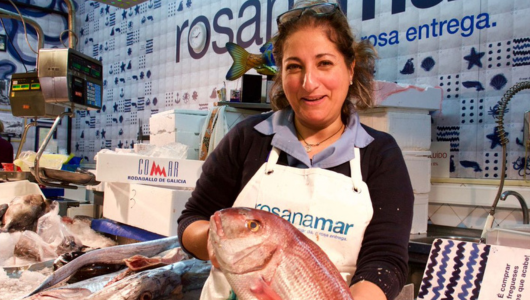
Photo by Rosanamar
Markets also keep parts of Lisbon’s food ecosystem alive that supermarkets could never replicate. Small farmers bring in the freshest greens, regional producers sell seasonal citrus and chestnuts, and butchers offer specific cuts that don’t always make it into big chains. You don’t go shopping at a municipal market because of convenience; instead, it’s about trust in the quality of the products and a certain nostalgic connection with those who are selling them.
Mercado de Arroios
📍Rua Ângela Pinto 40D, 1900-221 Lisbon
www.facebook.com/MercadodeArroios
Mercado Alvalade Norte
📍Av. Rio de Janeiro, 1700-330 Lisbon
https://jf-alvalade.pt/tema-a-tema/economia-e-inovacao/mercados
Mercado de Benfica
📍Rua João Frederico Ludovice 354, 1500-354 Lisbon
www.facebook.com/MercadodeBenfica
Mercado de Campo de Ourique
📍Rua Coelho da Rocha 104, 1350-075 Lisbon
www.instagram.com/mercadodecampodeourique
Mercado da Ribeira
📍Av. 24 de Julho 49, 1200-479 Lisbon
www.facebook.com/people/Mercado-da-Ribeira-Lisboa/100069727280018
Fishmongers and butchers where local knowledge still rules
For many Lisbon families, Christmas Eve means choosing between two seafood icons: fresh octopus or a noble slice of salt-cured cod.
Fresh fish begins at the neighborhood peixaria, and this is a type of business Lisbon is pretty serious about. A good peixaria is judged by the smell of the air, the shine of the fish, and the vendor’s ability to recommend portion sizes when learning a little about your family. Markets like Ribeira and Alvalade have some of the most respected fish counters, but every neighborhood in Lisbon has good options.
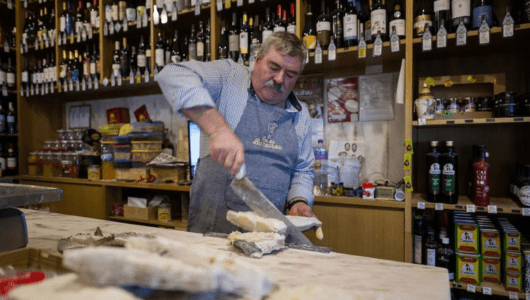
Photo by Rei do Bacalhau on Facebook
Cod, however, is a different universe. Fresh fishmongers rarely handle it. For bacalhau, Lisbon still relies on dedicated shops and specialists who deal exclusively in salted, cured cod. The selection of cod has to do with texture, colour, thickness and curing method. People may not only inspect the cod on sale visually, they may also knock on fillets with their knuckles, debating with vendors about which piece will flake the best after boiling. Many of these bacalhau shops are family businesses with decades of experience, operating in the same neighborhood long enough to probably even know what some households prefer.
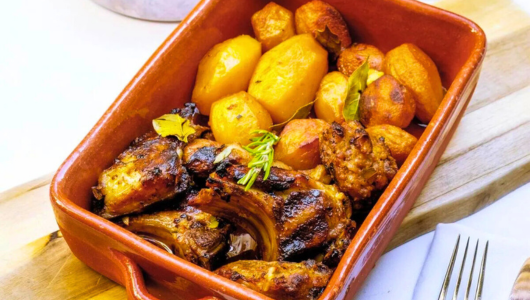
Photo by VortexMag
Where the 24th leans toward the sea, the 25th in Portugal traditionally belongs to meat. This is when Lisbon’s butchers step into the spotlight. Christmas Day lunch usually means roasted meats such as goatling (cabrito assado – pictured above), lamb (borrego), turkey (peru) or, sometimes, pork loin (lombo de porco). Families from the North often stick to goat or lamb, while others go classic with a stuffed turkey similar to those featured in American Thanksgiving dinners. Of course, all of these meats are available at the supermarket, but for specific cuts, you’re better off heading to a specialized butcher (talho).
Independent butchers may specialize in Alentejano pork, others in poultry, and a handful still work with small local producers who raise animals in conditions that supermarkets don’t always match. These shops thrive on long-term relationships, where a butcher may know how fat your pork loin should be or how many kilos of lamb your family needs, depending on what else you’ll be serving for Christmas lunch.
Christmas is when these small shops feel their importance most deeply. While big chains offer convenience and prices that suit the season’s expenses, the butchers, fishmongers and bacalhau vendors provide something supermarkets can’t replicate, and that is knowledge and a certain feeling of community.
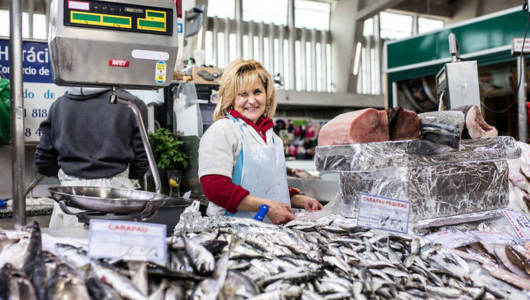
Photo by Arlindo Camacho on Time Out Lisboa
Besides fishmongers inside municipal markets, these are some of the best specialized fresh fish stores in Lisbon:
Pensamento do Mar
📍Rua Luís de Camões 77, 1300-509 Lisbon
www.instagram.com/pensamento_do_mar
Dona Peixaria
📍Campo Grande 82F, 1700-049 Lisbon
www.instagram.com/donapeixaria
Inside markets themselves, we’d recommend Rosanamar inside Mercado da Ribeira, Peixaria Veloso inside Mercado 31 de Janeiro, and Horácio and Teresa’s stall inside Mercado Alvalade Norte (pictured above).
If you’d like to visit an independent butcher in Lisbon, we’d suggest:
O Talho da Avenida
📍Rua José Duro 19D, 1700-237 Lisbon
Requinte da Carne
📍Rua Atriz Virgínia nº.12 C 1900-027 Lisbon
Talho Gourmet
📍Rua Prof. Francisco Gentil 2E, 1600-626 Lisbon
Mercado da Carne
📍Estr. de Benfica 2, 1500-048 Lisbon
Talho Central de Alcântara
📍Rua Prior do Crato 126, 1350-159 Lisbon
www.facebook.com/p/Talho-de-Alcantara-100057343424033
Specialty grocery shops to visit in Lisbon this Christmas
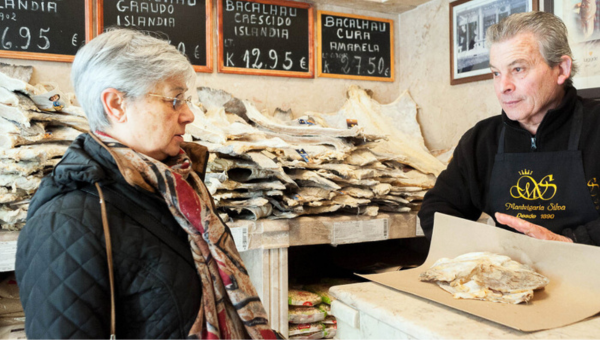
You will find small neighborhood stores (mercearias) and specialized grocers mostly in traditional neighborhoods, such as Campo de Ourique, Alcântara or even right downtown, in Baixa. These are the types of establishments that, in November itself, feel their window shops and counters with products like nuts and dried figs, anticipating our cravings for the typical flavors associated with Christmas.
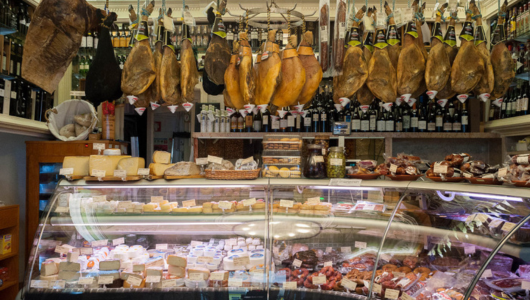
Photo by Lojas Com História
This is where locals pick up everything that makes the Christmas table feel abundant. Walnuts and almonds sold by the kilo, dried plums and apricots, crystallized fruits for bolo-rei, glass jars of honey, tins of sardines to offer in gift baskets, beautiful bottles of olive oil, and those little seasonal luxuries that get passed around the living room while someone inevitably says “I really shouldn’t eat another one”… before eating another one.
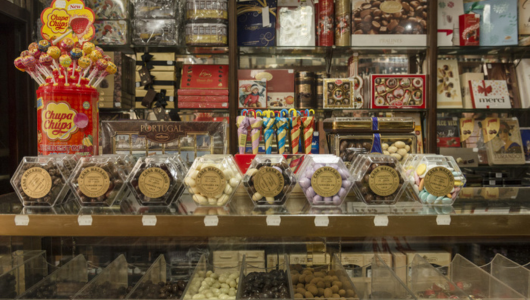
Photo by Lojas Com História
What makes these mercearias special is usually expertise. The person behind the counter knows which almonds come from Trás-os-Montes, which raisins are plumper this year, and which pine nuts are worth the splurge, because they are grown in our very own country.
Many of these grocery shops predate the supermarket era and have survived thanks to the loyalty of Lisbon families who keep going back, especially around times like Christmas, when they don’t mind spending a little more. Some are now protected under the Lojas com História program, a recognition that these small businesses are part of the city’s cultural fabric and deserve support. They also play a real economic role during the holidays as, for many, December is the month that practically sustains the rest of the year. And while Lisbon has seen a rise in modern gourmet stores, the old mercearias continue to hold their ground, focusing on the quality of their products but also of their customer service.
Manteigaria Silva
📍Rua D. Antão de Almada 1 C e D, 1100-197 Lisbon
https://loja.manteigariasilva.pt
Pérola do Arsenal
📍Rua do Arsenal 94, 1100-040 Lisbon
Rei do Bacalhau
📍Rua do Arsenal 60, 1100-040 Lisbon
www.instagram.com/rei.dobacalhau
Manuel Tavares
📍Rua da Betesga 1AB, 1100-090 Lisbon
Casa Macário
📍Rua Augusta 272, 1100-057 Lisbon
Pastelarias and bakeries for the annual bolo-rei pilgrimage
Many Lisbon families have “their” bakery for Christmas, and they may defend that choice with strong conviction.
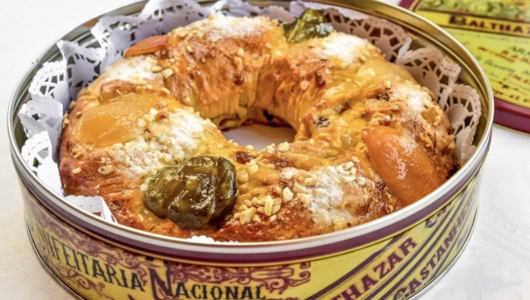
Photo by Time Out Lisboa
Bolo-rei and bolo-rainha are the stars of the season, and locals take their loyalty seriously. Some swear by the classic, studded with crystallized fruits and nuts, others roll their eyes and insist the almond heavy bolo-rainha is the only acceptable option. A growing faction even supports the chocolate version, a modern twist that purists would rather not discuss over the dinner table. But whether traditional or contemporary, these cakes are often reserved in advance or, at least, you think about where you’d like to purchase them, it’s not something that usually happens very impromptu.
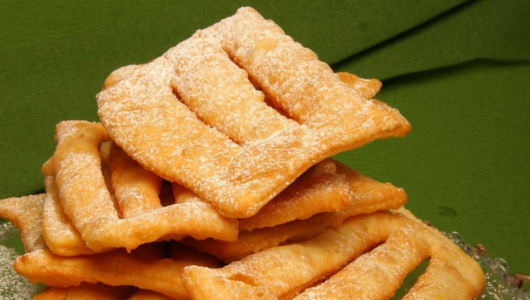
Photo by Mercado Alentejano
December is also when pastelarias showcase their full Christmas repertoire. Rabanadas, sonhos, filhós, azevias, troncos de Natal, and trays of assorted fritters fill every display case. In traditional neighborhoods, some pastelarias even form lines stretching outside their stores, not because they are trending, but because locals have been trusting them for decades and perhaps even several generations in the family.
A few historic bakeries are also a part of the Lojas com História network (some of which we have included below), a recognition that their recipes and craft are as important to Lisbon’s identity as any monument.
Confeitaria Nacional
📍Praça da Figueira 18B, 1100-241 Lisbon
https://confeitarianacional.com
Pastelaria Versailles
📍In Saldanha: Av. da República 15A, 1050-185 Lisbon
📍In Belém: Rua da Junqueira 528, 1300-598 Lisbon
Pastelaria Benard
📍Rua Garrett 104, 1200-205 Lisbon
A Panificação Mecânica
📍Rua Silva Carvalho 209, 1250-249 Lisbon
Pastelaria Alcôa
📍In Baixa-Chiado: Rua Garrett 37, 1200-203 Lisbon
📍Inside El Corte Inglés department store: Av. António Augusto de Aguiar 31, 1069-413 Lisbon
Shopping for wine and spirits in Lisbon during the holidays
You can buy wine at any supermarket in Portugal, but Christmas is the time for splurging a little, so for many this means visiting a specialized wine store (garrafeira).
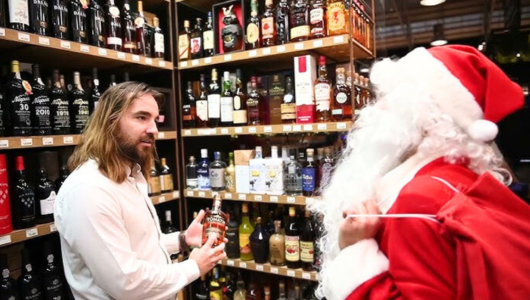
Photo by Garrafeira Nacional on Youtube
Lisbon has a long tradition of neighborhood garrafeiras, where the selection may focus on Portugal’s wine regions, but also include international labels. It’s not unheard of to walk in for “just one bottle”, and somehow leave with a Vinho Verde for the appetizers, a Madeira for dessert, and a Port to try a new special syrup to pour over the rabanadas this year. The advantage of visiting these specialized stores is that the staff can guide you through Portugal’s diverse wine landscape, suggesting bottles that you may have not ended up trying otherwise.
Christmas Eve and Christmas Day menus dictate the choices. For cod or octopus, many locals reach for fresh whites from Lisbon, Setúbal, or Monção e Melgaço, or a soft red from Bairrada that won’t overpower the meal. For the 25th, to pair with roasted meats, richer reds, such as those from Alentejo, Douro or Dão, are usually preferred. To sip with dessert or to gift, fortified wines like Port, Madeira and Moscatel are the favorite choices. If the meal was a little on the heavy side, nothing beats a glass of aged brandy (aguardente velha) to aid digestion.
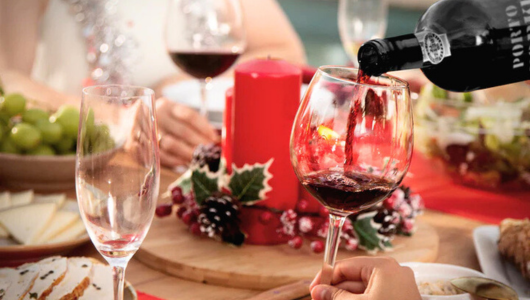
Photo by Kopke Group
While supermarkets run aggressive wine promotions during the holidays, many Lisbon locals still rely on garrafeiras for at least a few key bottles. The difference isn’t only in selection but in the confidence of knowing the wine you’re taking home won’t disappoint a table full of relatives. Many of these shops are family-owned, part of the social life of their neighborhoods, and December is when their years of expertise truly shine.
Garrafeira Nacional
📍Rua da Conceição 20, 1100-332 Lisbon
📍Rua de Santa Justa 18, 1100-485 Lisbon
Garrafeira Napoleão
📍Rua dos Fanqueiros 70, 1100-231 Lisbon
Garrafeira de Santos
📍Rua Santos-O-Velho 74, 1200-813 Lisbon
Garrafeira Campo de Ourique
📍Rua Tomás da Anunciação 29 A, 1350-322 Lisbon
www.garrafeiracampodeourique.pt
Garrafeira Estado d’Alma
📍Rua Alexandre Herculano 58A, 1250-012 Lisbon
https://garrafeiraestadodalma.pt
Garrafeira Agrovinhos
📍Rua Fradesso da Silveira 45, 1300-260 Lisbon
Supermarkets and hypermarkets: the practical reality of Christmas shopping today
For all the charm of markets, mercearias and small garrafeiras, Lisbon’s Christmas shopping wouldn’t function without supermarkets and hypermarkets. At some point in December, almost every Lisboeta ends up pushing a trolley through a brightly lit aisle, grabbing the things they forgot, the things they didn’t know they needed, or the things they simply refuse to overpay for anywhere else.
Chains like Continente, Pingo Doce, Auchan and Lidl are amongst the most common. They’re where families realistically stock up on the practical side of Christmas, including staple ingredients like sugar, flour, cinnamon, milk and eggs.
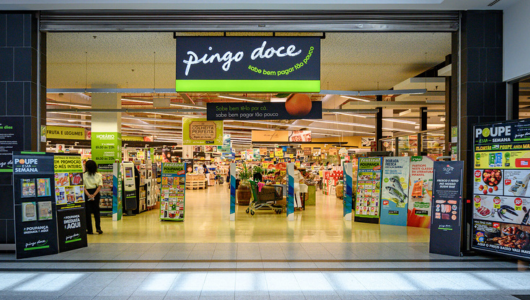
Photo by NIT
Just like it happens in many other parts of the world, around December, supermarkets create entire seasonal aisles for Christmas, with towers of dried fruits, nuts, wines, cheeses and cured meats. Convenience is their strength, but prices matter a great deal too. During a season when expenses multiply, the big chains offer deals that small shops simply can’t compete with, and Lisbon families mix and match according to what makes sense to them.
But something interesting happens when you compare the supermarket run with the atmosphere of the smaller shops. The aisle experience lacks the local stories, the personal recommendations, the sense of belonging that comes from someone behind the counter remembering your name. This is where you feel the gap between “just” shopping and tradition.
That’s why Lisbon’s Christmas pantry is built on both pillars. Supermarkets keep the season functional, especially for large families and tight budgets. But the flavors, the rituals, and the memory of Christmas still come from the markets, the pastelarias, the old grocery stores and establishments such as those protected by Lojas com História. The city depends on both, but only one side carries the emotional weight of a holiday that’s historically about food and community.
If you want to experience Lisbon like a local, we recommend visiting some of the shops suggested above. And if you want more insider tips and festive stories from Lisbon, follow Taste of Lisboa on Instagram.
Feed your curiosity on Portuguese food culture:
Traditional Portuguese Christmas desserts – and where to try them in Lisbon
What do Portuguese people eat at home?
What Portuguese people usually have in their pantry
The best private chefs at home you can hire in Lisbon
Real people, real food. Come with us to where the locals go.
Signup for our natively curated food & cultural experiences.
Follow us for more at Instagram, Twitter e Youtube