How the Portuguese changed the way the world eats
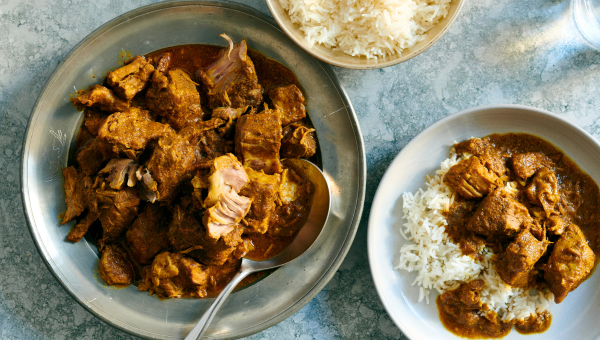
Today, it would be fair to assume that almost everyone is familiarized with the concept of globalisation. But, before it became a modern phenomenon, we could argue that Portugal was already practising it. At least, this is what started happening around the late 15th century, when the Portuguese decided to set sail overseas during the Age of Exploration.
Feature photo by Sage Educational Consultants
The Portuguese trade routes that were established mostly after the 16th century worked as early food highways, moving ingredients across different corners of the world, where they were later adapted and often became staples of local cuisines until today. At the same time, Portugal itself was transformed, as Portuguese sailors brought back to their motherland foods which they encountered during these exchanges and that have, in some cases, become integral to our local eating habits.
We’re not fond of romanticizing the Age of Discoveries, so we are focusing on how Portuguese trade created lasting culinary habits, how ingredients traveled across oceans and cultures, and how influence flowed in both directions. Portugal changed the way the world eats, and in doing so, allowed the world to permanently change what Portugal eats too.
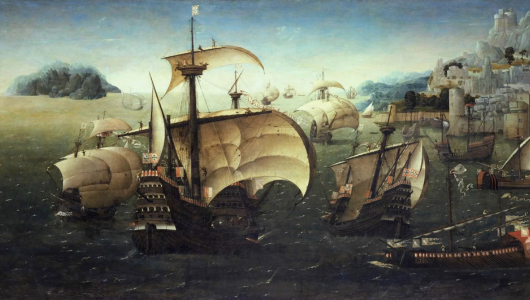
Photo by Portugal.com
What Portugal was eating before the Age of Sea Explorations
Before ships began returning with spices, sugar and never before seen fruits, Portuguese cuisine was generally familiar with the concept of scarcity. The diet of most Portuguese was built around cereals, legumes, olive oil and wine, with some fish being a part of it in areas close to the coast or the rivers, and pork being the main animal protein in inland areas. Dried foods, such as beans, were common, as was salting food as a method of preservation.
Fava beans were already fundamental long before other bean varieties common today arrived from the Americas. Bread was a daily staple, used to soak up the sauces of most dishes, which were one-pot soups and stews. Vegetables were modest and, of course, seasonal, but there were limitations in terms of seasonings, and most of the flavor would come from salt and aromatic herbs. When it came to sweetness, something considered only on special occasions rather than during daily life, it depended mostly on fruit and honey. Catholic life also reinforced simple habits for most of Portugal’s history.
This context matters because it explains why the arrival of new ingredients would have such a profound impact. After the 16th century, Portuguese cuisine experienced tremendous expansion. That was, for example, when sugar became accessible, enabling the conventual sweets traditions that are so important for the world of pastries in Portugal today. But that is just one example to start understanding the transformation that changed how we ate in Portugal, as the Portuguese kept influencing the cuisines of many other corners of the world too.
How Portuguese trade changed flavors around the world
Portuguese influence on global food didn’t happen in a straight line. Before Portugal established colonies abroad, it mostly set up trade ports that would make commerce with faraway lands easier. We’re talking about trading posts (along with ports and fortresses) that went from Brazil to West Africa, from the Indian Ocean to Southeast Asia. Food traveled along these routes because it had to, as crews needed to eat, settlements needed to survive and trade only worked if ingredients could move, adapt and last.
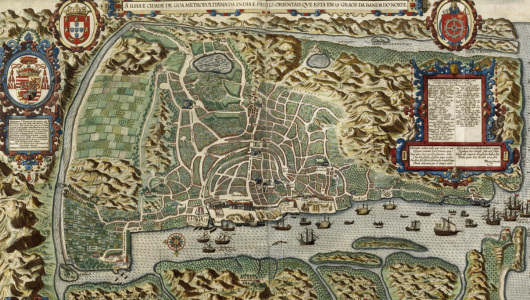
Image by Atlas of Mutual Heritage on Wikipedia

Ports like Lisbon, Goa (pictured above), Malacca, Luanda or Salvador da Bahia became early laboratories of culinary exchange. Ingredients arrived, were tested, adapted and then sent onwards. A chilli from the Americas might pass through Africa before transforming Asian cuisines. Sugar refined in the Madeira Atlantic islands reshaped diets in Europe and beyond. Coffee moved from Africa into Brazil and later back to Europe, eventually becoming part of everyday social life. These were shifts that didn’t happen all at once, but eventually altered eating habits across continents.
Crucially, the Portuguese did not impose a single food model. They cooked with what was available, adopted local techniques and adapted familiar flavors to new environments. This flexibility is one of the reasons Portuguese influence became so strong elsewhere. Instead of being introduced as foreign novelties, ingredients were usually integrated into the existing food systems, often becoming more important in their new homes than in Portugal itself.
Trade brought new crops and new tastes that arrived back in Lisbon’s docks and, over time, the Portuguese table became a reflection of the country’s maritime empire.
Ingredients that changed the world’s kitchens
When we talk about the influence of Portugal on global eating habits, we’re referring mostly to ingredients rather than recipes. What traveled most successfully were foods that could be planted, preserved and adapted to local diets, eventually becoming so essential that their foreign origins started fading.

Photo by PBS
Corn and beans, essential foods in the Americas, are a great example, as they quickly spread through Africa, Europe and parts of Asia. These worked wonderfully to make stews and porridges, eventually even becoming dietary foundations in places far removed from their origin. In southern Africa, for example, maize became central to everyday eating, forming the base of dishes like pap in South Africa or xima in Mozambique, now inseparable from local food identity. In Italy, polenta, today closely associated with northern regional cuisines, only exists because maize replaced older grains after its arrival in Europe. Beans followed similar paths, sliding naturally into Mediterranean soups and stews, where rustic bean dishes, using ancient varieties of beans such as fava beans, had been cooking for centuries, only to be partially replaced by these newer varieties we now see as “traditional”.
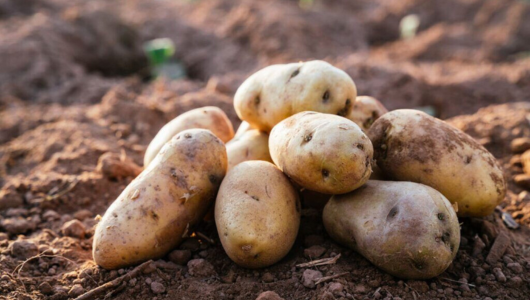
Photo by Inca Medicine School
Originating in the Andes, potatoes were gradually tested and adopted in European fields, including Portuguese territory, before becoming such a staple, particularly during the cold season. They have famously marked the history of Ireland, but they have also shaped everyday eating from Central Europe to the Atlantic. Further east, that same tuber shows up in Indian aloo curries and in Goan dishes where potato keeps company with spices and vinegar, the result of a world where American crops, Indian aromatics and Portuguese trade routes all collided in the same pot.
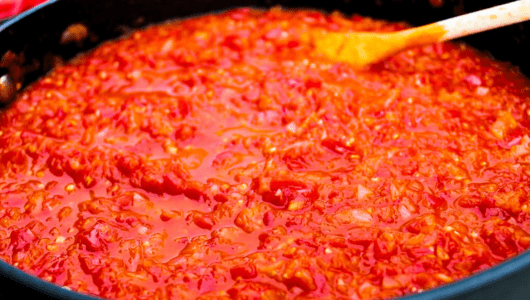
Photo by Enri Lemoine
Tomatoes, another American native, impacted the flavor of what many people today call “Mediterranean food”. Once Iberian routes started moving tomato plants and seeds, cooks in Spain, Italy and Portugal slowly learned what to do with them. Over time, tomatoes became the base of Italian pasta sauces, Spanish gazpacho, Catalan sofritos and Portuguese sopa de tomate or tomatoey caldeiradas.
Chillies, also from the Americas, traveled east on Portuguese ships and took root in West Africa, along the Indian Ocean and across Southeast Asia. In Angola and Mozambique, chilli-based sauces and marinades became part of daily cooking and eventually boomeranged back to the metropole in the form of peri-peri chicken, which now many people around the world regard as Portuguese, when its roots are actually African. In India, chillies were incorporated into strong spice blends increasing the heat of Goan curries or any other dishes flavored with masala. Further east, they helped shape everything from Indonesian sambals to Thai curries. Of course, the Portuguese didn’t invent those dishes, but they helped put the plant in people’s hands and, within just a couple of generations, that signature burn we now associate with many of these Asian cuisines started feeling traditional.
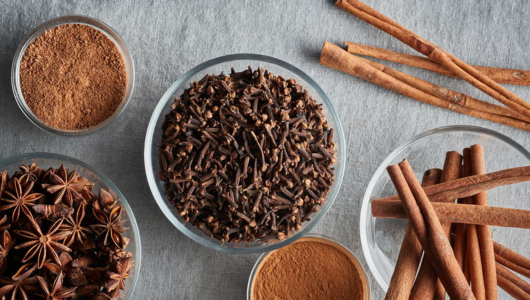
Photo by Healthline
Not all the traffic ran from west to east. Some of the most influential travelers began life in Asia and Africa and were then redistributed and normalised through the networks controlled by the Portuguese. Black pepper, cloves, cinnamon and other spices were already known in Europe long before Vasco da Gama, but they were scarce and expensive, controlled by long and complex trade chains that used to happen by land passing many countries, thus accumulating customs taxes. When the Portuguese forced their way into the Indian Ocean routes and started shipping spices directly from places like the Malabar Coast or the Indonesian archipelago, they changed the game. Let’s never forget that the ambition to control the spice trade was one of the main motivators for the Portuguese voyages to begin with. And so, with it, cinnamon could start moving beyond court kitchens and into more regular rice puddings and cakes made at home. The flavor profile that visitors now see as typically Portuguese dessert, with sugar and cinnamon, depends on flavors that originally grew nowhere near Lisbon.
When it comes to fruits, it’s worth noting that many sweet orange varieties that spread across Europe, North Africa and parts of the Middle East did so through Portuguese hands. The association became so strong that in several languages the word for orange still points back to Portugal, as in Greek portokáli, Turkish portakal, Arabic burtuqāl and Persian porteghâl.
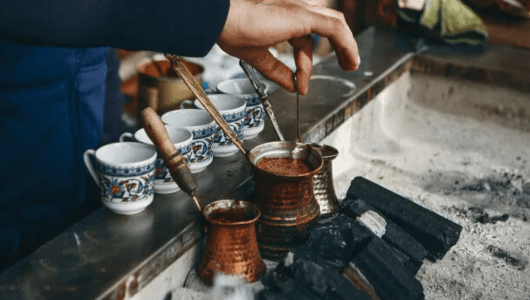
Photo by UNESCO Courier
Coffee was a different but surely not less impactful new ingredient, as it contributed to changing social behaviour. Native to East Africa and first popularised in the Arab world, coffee became truly massive when European colonial powers, including Portugal, planted it at scale in places like Brazil. That changed its price and availability and turned coffee drinking from a niche habit into a global ritual.
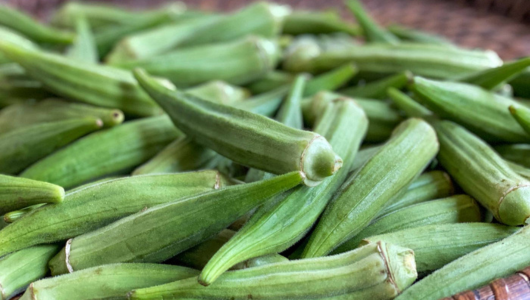
Photo by Leslie Brenner on Medium
Vegetables also traveled across different parts of the world, including Asian aubergines and gourds that showed up in African and Brazilian markets, African okra that found its way into stews in the Americas, and countless local varieties of fruit and vegetables that hitched rides on Portuguese ships, then naturalised themselves in new soils. Once transplanted, they fused with local techniques and tastes in ways that had little to do with Lisbon and everything to do with cooks figuring out what worked. Portugal never dictated what people should cook, as it simply moved the raw materials and the rest of the world adopted and adapted them, until eventually they claimed some of those foods as their own.
How ingredients from around the world reshaped Portuguese food
When we talk about the Portuguese table today, it is easy to forget how many of its staples arrived from elsewhere. Think of a regular day to day meal here in Portugal, which may include a bowl of soup thickened with beans or potato, a main with bacalhau, potatoes and/or rice, and a little tomato salad as well as corn bread on the side. For a sweet treat, we could be enjoying a custard dessert flavored with sugar, cinnamon and citrus, and a coffee at the end. None of this looks particularly global, yet almost every element depends on ingredients that only entered Portuguese life because of centuries of long distance trade.
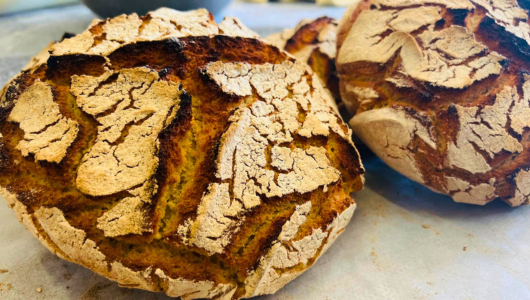
Photo by Pastelaria Salinas
The most visible changes happened at the level of basic sustenance. Beans, maize and potatoes reshaped what everyday eating looked like, especially outside the big cities. Before that, cereals, fava beans and bread already sustained people, but these newcomers expanded the range. Dried beans from the Americas started being used to prepare soups and stews previously made with favas. Today, beans are indispensable to prepare traditional Portuguese dishes such as beans and meat stew (feijoada) or naughty rice with kidney beans (arroz de feijão). Maize, once established in Portuguese fields, started being shaped into cornbread (broa, pictured above) in the north, where the grain adapted wonderfully, partially replacing wheat, which is more common in southern Portugal because of the climate. Potatoes, initially viewed with suspicion, because they are a part of the nightshade family and there weren’t even mentioned in the Bible, ended up as the reliable starch that could bulk out cozidos, sit next to cod in bacalhau com todos, and make caldo verde more filling.
Rice and tomato changed how things behaved in the pan. Rice cultivation, consolidated in areas such as the Tejo and Sado valleys, created the basis for the wet, spoonable dishes that many visitors associate with Portuguese home cooking, including seafood rice (arroz de marisco), rice stews with fish or meat, and side dishes where rice helps absorb the sauces. Tomato, once it became accepted as an everyday ingredient, added sweetness and acidity to the bases of dishes, while it also gave colour and depth to fish stews and meat dishes.
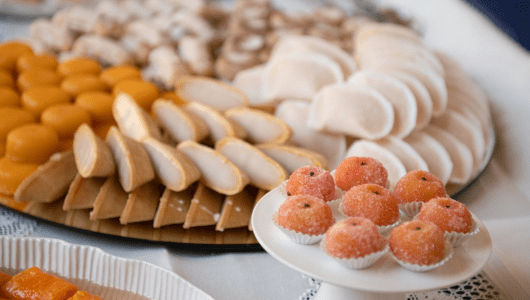
Photo by Doces Conventuais de Amarante on Facebook
Seasoning in the Portuguese kitchen dramatically changed after this era of exchanges. Cinnamon and black pepper, once expensive imports, became part of normal kitchen practice. Chillies, after travelling through African and Asian kitchens, returned to the Portuguese table as piri-piri, used to season grilled chicken, prawns and other simple preparations – in any given restaurant in Portugal, if you feel like your food could use a little kick, simply ask for it, as most establishments will have it, either home-made or store-bought.
Desserts and liqueurs are where the impact of sugar, spices and citrus becomes most obvious. As sugar from Atlantic plantations became more accessible in Portugal, it was brought together with egg yolks and with convent cooking traditions, producing the sweet world of doces conventuais, which includes custard tarts, egg-based sweets, sponge cakes soaked in syrup, often finished with a dusting of cinnamon or a strip of lemon peel. Sweet rice pudding (arroz doce), for example, brings together rice that came through Asian routes, sugar tied to colonial economies, and cinnamon from distant trees, yet feels today like such a straightforward Portuguese family dessert. Citrus fruits also entered this universe, flavoring syrups, cakes and liqueurs. Ginjinha, the sour cherry liqueur associated with Lisbon and other central regions such as Alcobaça, is a good example of how local fruit, imported sugar and alcohol techniques combined into something that now feels entirely local.
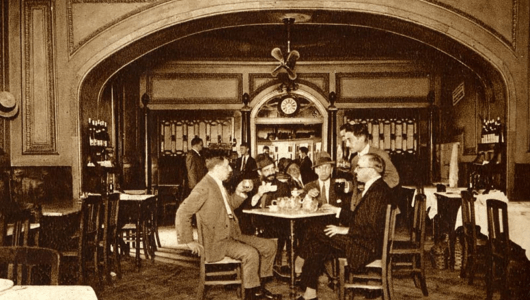
Photo by Sense of Coffee
Coffee extends beyond flavor to behavior. Portugal never produced coffee at scale, but its connection to Brazilian plantations meant that coffee became an affordable habit. Over time, the café after a meal turned into a social and digestive moment, coffee culture in Portugal grew tremendously, and “vamos tomar um café?”, which literally translates as “shall we go for coffee?”, became an excuse for hanging out more than a reference to the drink itself.
Portuguese cooking techniques and recipes that traveled abroad
You can eat in several parts of the world today and, without seeing a single reference to anything obviously Portuguese, you could still be surrounded by flavors and preparations that only exist because of centuries of contact with Portugal and its empire.
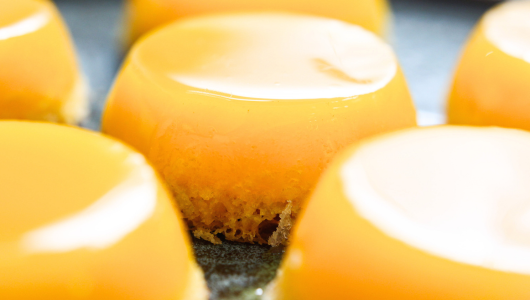
Photo by Estadão
Brazil is the most obvious example. The country built its own strong food identity, no doubt about that, but many of its classics sit on a Portuguese frame. Feijoada, for instance, today considered to be Brazil’s national dish, shares a similar structure with beans and pork stews from Iberia, though definitely reworked with local cuts, African influences and Brazilian ingredients. The everyday pairing of rice and beans also reminds us of older Iberian habits of combining cereals and legumes, even if the flavors are now firmly Brazilian. On the sweet side, the taste for egg-yolk heavy desserts and bakery culture traveled directly from Portugal. Cakes and sweets like quindim (an egg and coconut dessert with clear conventual inspiration, pictured above), pudim de leite and many festive cakes soaked in sugar syrup all show how Portuguese techniques were adapted using ingredients such as coconut, cassava and tropical fruit. Brazilian pastry is not a copy of the Portuguese repertoire, but you can still see the outlines of convent kitchen logic in a lot of what appears on the table at Christmas, Easter and family celebrations.
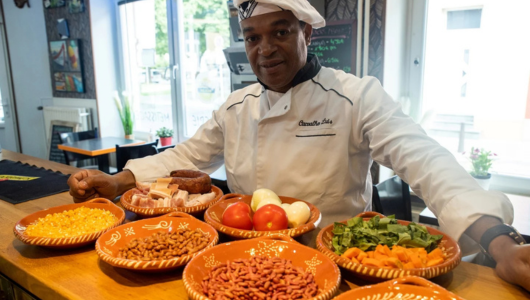
Photo by Contacto Luxemburgo
Across the Atlantic in Africa, you find similar overlaps, though expressed in very different ways. In Angola, Mozambique, Cape Verde and other former colonies, everyday eating often combines local staples with forms and flavors recognisable from a Portuguese table. In Cape Verde, cachupa, a slow-cooked stew of maize, beans and mixed meats or fish, clearly shares similarities with Portuguese cozidos and feijoadas, even if the ingredients and seasonings are local. In Angola and Mozambique, wheat breads coexist with staples based on maize like funje or xima, while salt cod shows up in local versions of bacalhau stews served alongside indigenous preparations based on fresh fish. Wine or vinegar-based marinades, heavy use of garlic and bay leaves and sauces prepared with olive oil appear next to palm oil, okra, local leafy greens and chilli pastes. In coastal cities in particular, it is still possible to sit at a table where a grilled fish seasoned with garlic, lemon and oil shares space with a palm oil stew, making it clear that these cuisines do not belong wholly to either side of the Atlantic, but to the shared history between them.
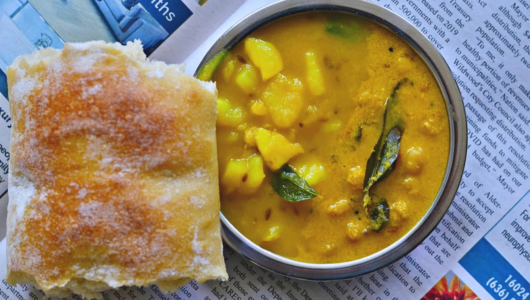
Photo by Nomadic Tadka
In India, the clearest expression of this hybrid story appears in Goan Catholic cuisine. Here, Portuguese habits such as using wine and garlic in marinades, cooking pork, and baking sweets with plenty of eggs were absorbed and reworked with local ingredients. A good example is the evolution of vinha d’alhos, a Portuguese preparation where meat is marinated in wine, garlic and spices. In Goa, where wine was not readily available and palm vinegar was, the logic of the dish stayed the same and the marinade was eventually further adapted with local chillies and spices, giving rise to vindaloo, a dish that many travelers now read simply as another “Indian curry”, even though its structure still reflects that original Portuguese method. Something similar happened on the sweet side. Portuguese conventual sweets brought a strong taste for egg yolks mixed with sugar, which in Goa were mixed with coconut resulting in bebinca, one of Goa’s most emblematic desserts. This is a multi-layered cake made with coconut milk, sugar, ghee (that is, clarified butter), and a generous amount of egg yolks. It does not copy any single Portuguese recipe, but the concentration of eggs mixed with sugar, unlike other desserts in the region, clearly speaks of the influence of Portuguese convent pastries.
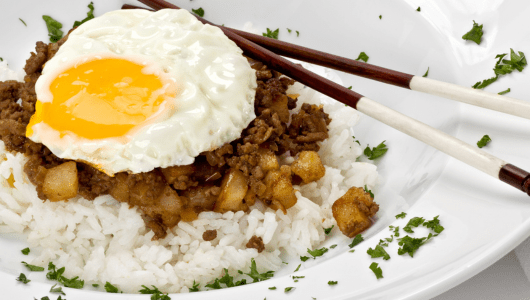
Photo by Taste Atlas
Further east, in places like Macau, the encounter between Portuguese settlers, southern Chinese communities and people from other parts of the empire produced Macanese cooking, a cuisine that is hybrid by definition. Dishes such as minchi, a minced meat stir-fry seasoned with soy sauce but often finished with a fried egg in a very Portuguese fashion (pictured above), or tacho, a kind of mixed-meat stew with Chinese sausages and European-style cured meats, show how techniques and ingredients from both sides share the same pot. Here, soy sauce, ginger, spring onions and local vegetables coexist with olive oil, wine, bay leaves and salted cod. Baked goods inspired by Portuguese traditions evolved into pastries that later spread to nearby regions, including the Macanese-style custard tarts that influenced the famous egg tarts found today in Hong Kong and parts of China. Once again, the Portuguese elements are not dominant per se, but they are nonetheless a part of the choices made by cooks locally.
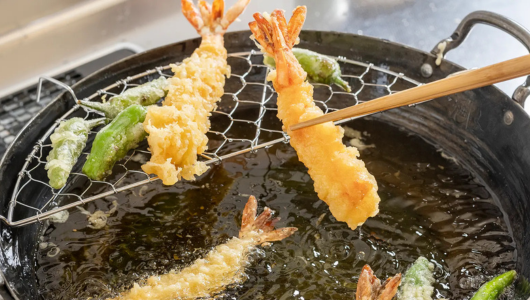
Photo by Globalkitchen Japan
Even where the Portuguese presence was shorter or more fragmented, we can still observe some influences. In Japan, for instance, peixinhos da horta, battered and deep-fried green beans eaten in Portugal particularly on days when Catholics avoided meat, are often presented as the precursor of Japanese tempura. Portuguese missionaries and traders who reached Japan in the 16th century brought with them the habit of frying vegetables and fish in batter during specific fasting periods in the liturgical calendar, known in Latin as tempora. The idea of coating vegetables or seafood in a light batter and deep frying them traveled with these Catholic communities and their cooks, and was then refined locally into the tempura technique that is now such a crucial part of Japanese cuisine. At the same time, some historians argue that the Portuguese themselves may have reinforced these frying habits after contact with India, where batter-fried snacks such as pakoras were already part of the food scene. The exact direction of influence is still debated, but what is clear is that contact between Portuguese, Indian and Japanese cooks, framed by Catholic fasting practices and local adaptations, helped spread a style of frying that became emblematic in Japan.
In other parts of Asia, small Catholic communities kept using baking, confectionery and festive dishes that bear clear resemblance to Portuguese celebrations, especially around Christmas and Easter. In places like Goa and Sri Lanka, you still find cakes and biscuits baked for religious festivals that use large quantities of egg yolks and sugar, following a logic similar to Portuguese sweets but substituting local fats such as ghee or coconut oil, and flavorings like cardamom or nutmeg instead of, or alongside, cinnamon and lemon zest.
Taken together, these examples show that Portuguese influence abroad rarely appears as a carbon copy of Portugal’s cuisine transplanted elsewhere but, instead, becomes clear in some techniques and habits.
Understanding this history also changes how you look at other people’s cuisines. For us, this is where food culture work in Lisbon becomes interesting. When you walk through the city, join a food tour or just choose where to have lunch, you are not only sampling “Portuguese cuisine”. You are encountering a small, edible summary of how Portugal interacted with the rest of the world and how those interactions still shape daily life. Seeing that clearly is an essential step towards understanding what you are eating when you are in Portugal, beyond the clichés.
For more stories like this, subscribe to Taste of Lisboa’s newsletter and follow us on Instagram.
Feed your curiosity on Portuguese food culture:
Foods you didn’t know were Portuguese
The best African dishes you can try in Lisbon
How the global journey of feijoada began in Portugal
The origins of vindaloo: how the popular Indian dish actually came from Portugal
Rabanadas: how Portugal turned French toast into a Christmas classic (with recipe)
Real people, real food. Come with us to where the locals go.
Signup for our natively curated food & cultural experiences.
Follow us for more at Instagram, Twitter e Youtube